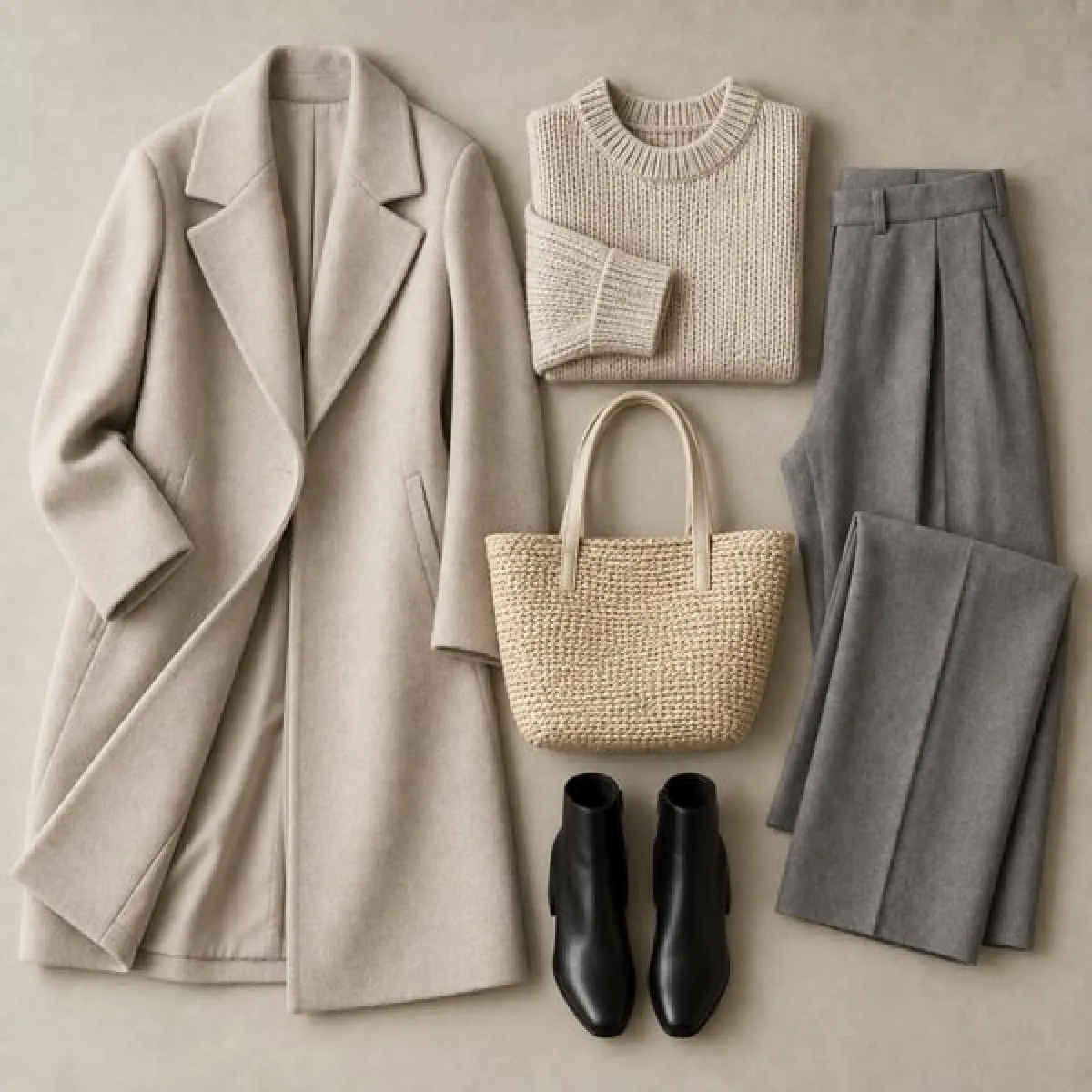
Which Pieces Are Worth Spending On? Where to Invest and Where to Save

The question of which pieces are worth spending on has a clear answer, and it is not about labels. The pieces worth spending more on are the ones you wear most, that are seen most, and that last longest — because the extra cost is spread across hundreds of wears. The ones worth saving on wear out, get lost, or date quickly, whatever you pay.

This guide covers where to invest, where to save, and how to work it out for any piece using cost per wear. More in our European Style guides.

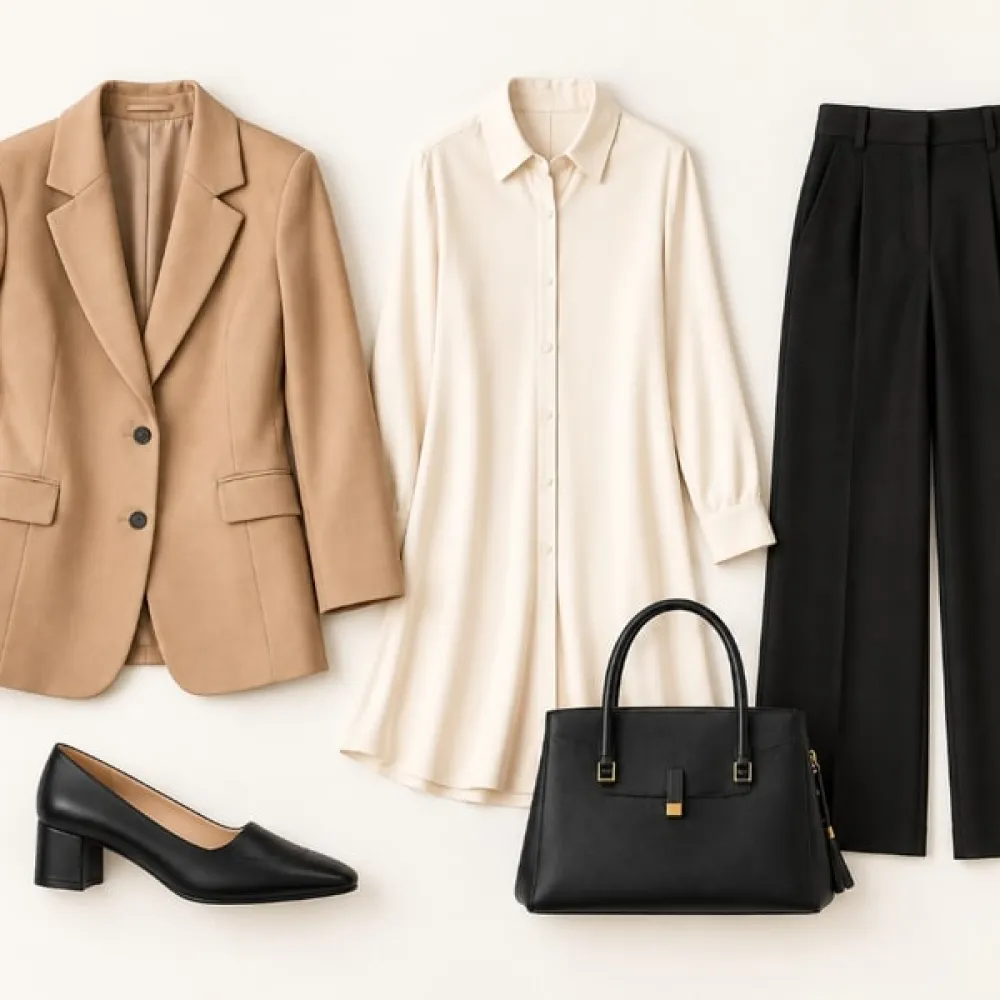
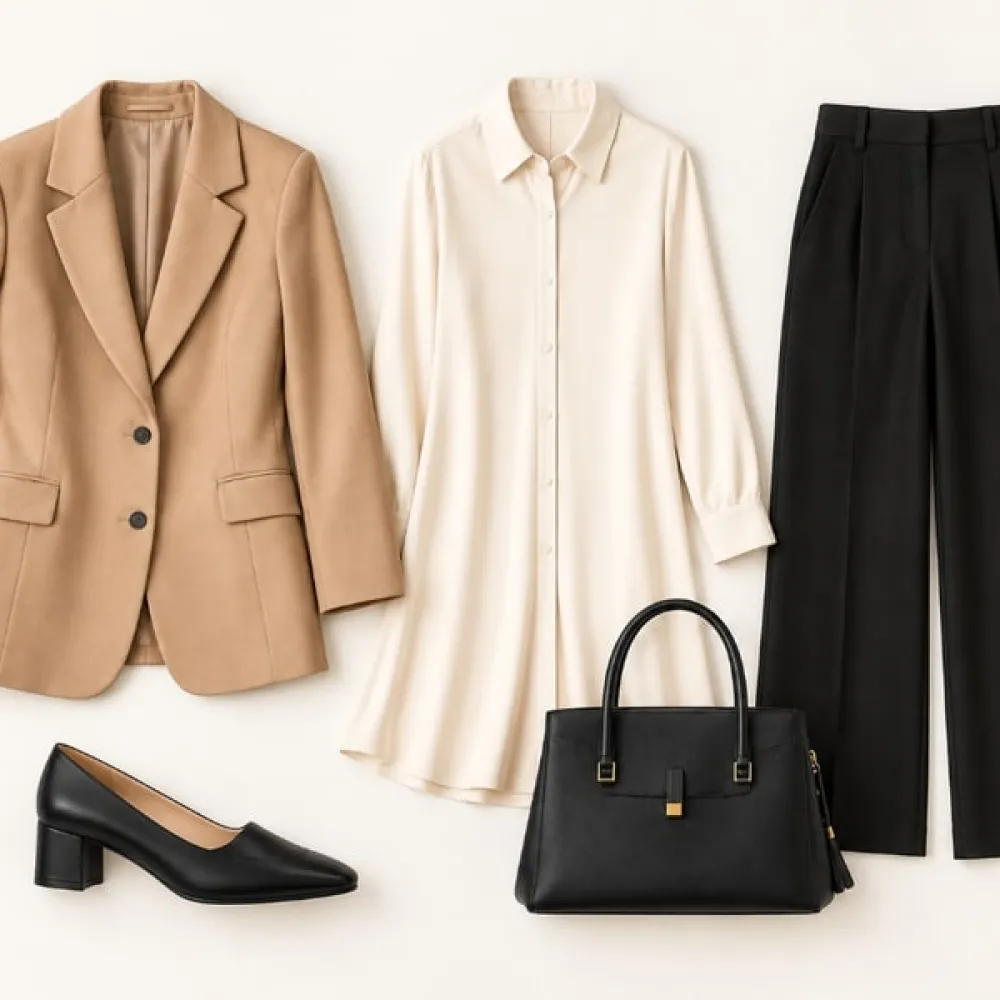
Spend on coats, shoes, bags, tailored trousers and knitwear — worn often, seen often, built to last. Save on t-shirts, trend pieces, occasion wear and anything that wears out quickly.

The Test: Cost Per Wear

Cost per wear is the price of a piece, plus what it costs to keep, divided by the number of times you wear it. A full calculation includes alterations, cleaning over the years you own it, and anything you get back by reselling it.

Cost per wear: (price + alterations + cleaning over its life − resale value) ÷ number of wears. It shows what a piece really costs each time you put it on. A £260 coat with £20 of alterations and £45 of dry cleaning over its life, resold at the end for £50, costs £275 in total. Worn 390 times — three times a week through two seasons a year for several years — that is about £0.71 per wear.

Put in any piece you are considering and a realistic number of wears. It also compares two options side by side.

Pieces Worth Spending On

Coats

Worn most days for half the year, seen more than anything else, and a good one lasts a decade. The shoulder must fit — see how to choose a trench coat.

Shoes and Boots

Worn constantly, and well-made leather can be resoled several times. Cheap shoes wear out quickly and are uncomfortable while they last. See how French women buy shoes.

A Structured Bag

Carried every day, all year. Good leather ages well; cheap bags show wear at the corners and handles quickly.

Tailored Trousers

The workhorse bottom, worn several times a week. Good fabric holds its shape and hangs properly.

Knitwear

Merino, cashmere and good wool last far longer than acrylic blends, which pill and lose shape.

Winter Accessories

Leather gloves, a wool scarf and a felt hat are worn every cold day for years. See winter accessories worth investing in.

Pieces Where Saving Is Fine

  • Plain t-shirts — worn hard and replaced regularly whatever they cost
  • Trend pieces — likely to date within a season or two
  • Occasion wear — worn a handful of times at most
  • Activewear for occasional use
  • Knit hats, tights and umbrellas — lost, laddered or broken regardless
PieceWornLifespanVerdict
Wool coatMost days, half the yearA decade or moreSpend
Leather bootsMost days, half the yearYears, with resolingSpend
Structured bagDailyMany yearsSpend
Tailored trousersSeveral times a weekSeveral yearsSpend
Plain t-shirtWeeklyA year or twoSave
Trend pieceOccasionallyA season or twoSave
Occasion dressA few timesVariesSave or rent
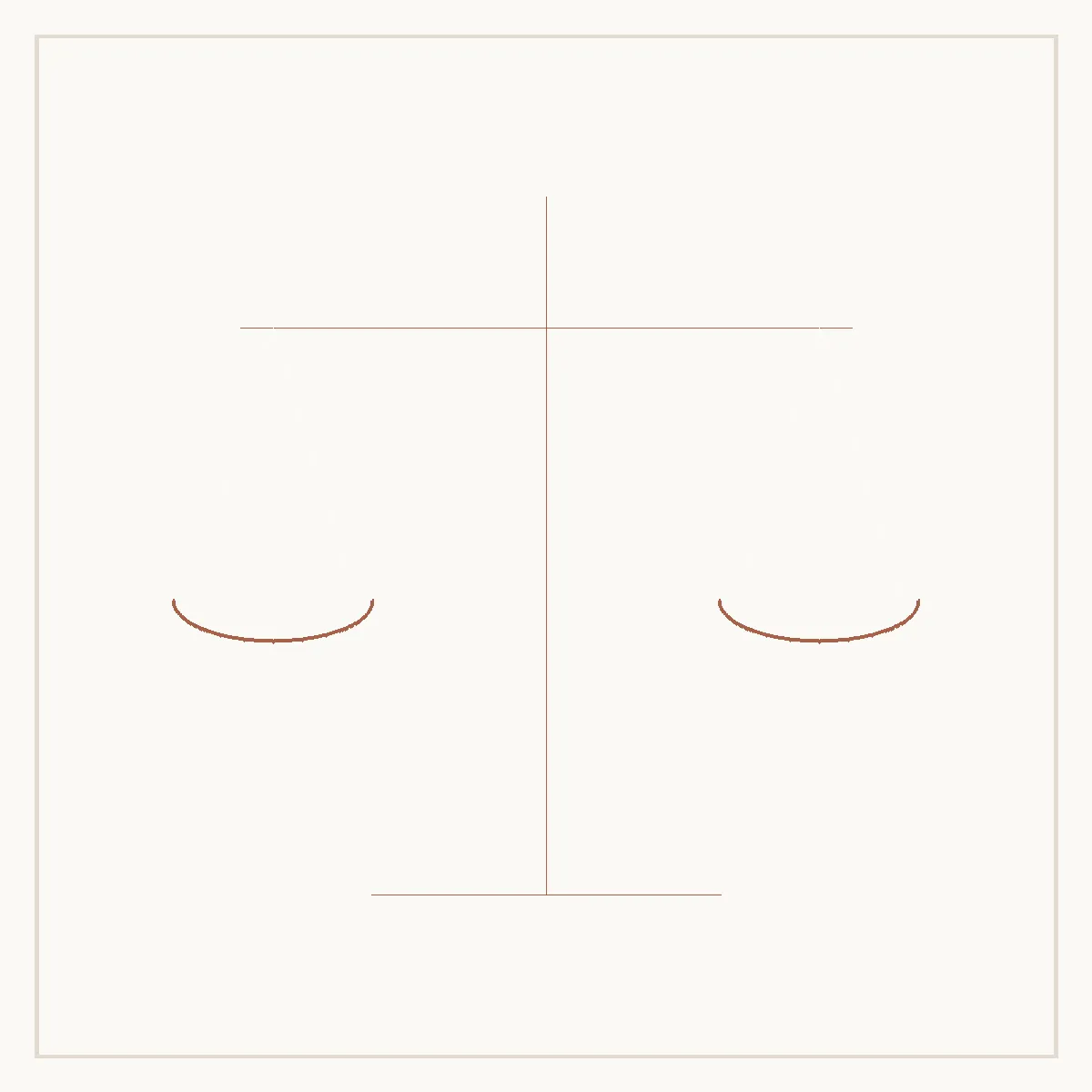
Line drawing of a balance scale with a coat on one side and a stack of t-shirts on the other.

When Spending More Is Not Worth It

An expensive piece is only good value if you wear it. A beautiful coat that does not go with anything else you own, or that is in a colour that does not suit you, will sit in the wardrobe — and its cost per wear will be terrible. Before investing, check that the piece fits your palette, your style and your week.

The most expensive mistake is a costly piece you do not wear. Check it fits your colours, your style and the life you actually lead before paying more for quality.

The personal colour palette generator and the personal style quiz help you check both. The capsule wardrobe builder shows where a piece fits in the whole wardrobe.

Setting a Budget

Investing works best with a plan. The clothing budget calculator splits a budget into three shares — replacing what wears out, seasonal additions, and an investment share that accumulates for the expensive pieces — so a good coat is affordable when you need it rather than an emergency purchase.

For the core pieces with the reasoning attached, see the ten pieces European wardrobes are built on and the year-round capsule wardrobe checklist. To make investment pieces last, read how to care for leather gloves and how to care for a felt hat.

Frequently Asked Questions

Which clothes are worth spending money on?

Coats, shoes, bags, tailored trousers and knitwear — pieces worn often, seen often, and built to last.

What is cost per wear?

The total cost of a piece — price, alterations and cleaning, minus any resale — divided by the number of times you wear it.

Where is it fine to save money on clothes?

Plain t-shirts, trend pieces, occasion wear and items that get lost or wear out quickly.

Is an expensive coat worth it?

Usually, if it fits and you wear it most days of the season. Over many years its cost per wear is low.

How do I avoid expensive mistakes?

Check that a piece suits your colours, your style and your week before paying more for quality.

For the idea behind buying less and better, see slow fashion and the capsule wardrobe.
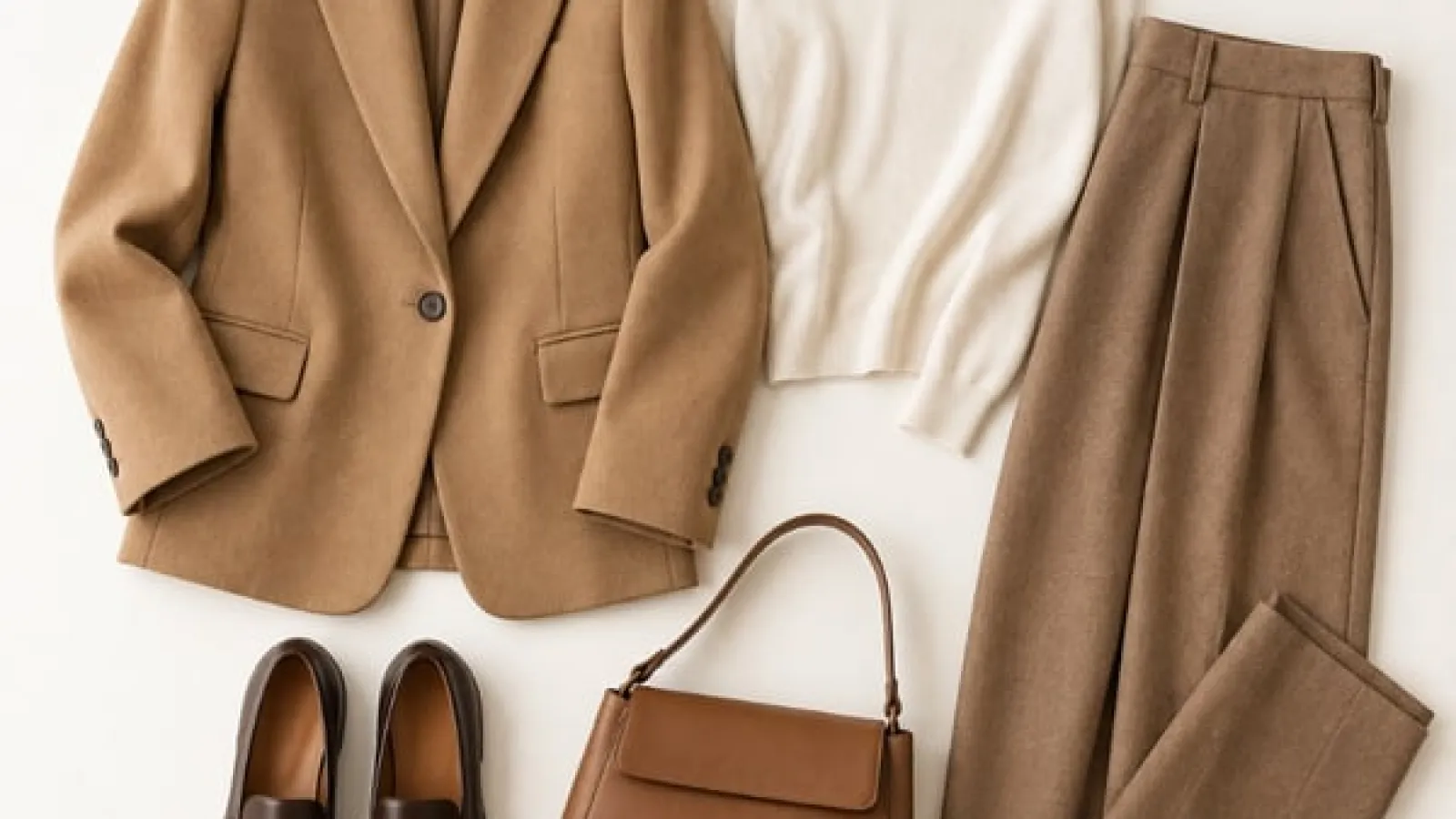
Winter Accessories Worth Investing In, and What to Skip

Winter accessories are where spending more usually pays off, because they are worn every day for months and sit close to the face or hands where quality shows. But not all of them. Knowing which winter accessories are worth investing in — and which are fine at any price — is the difference between a winter wardrobe that lasts a decade and one that is replaced every year.

This guide covers six worth spending on, what to look for in each, and where cheaper works just as well. More in our European Style guides.

Spend on the accessories worn most and seen most: leather gloves, a wool or cashmere scarf, leather boots and a good bag. Save on the ones that get lost or wear out quickly, such as knit hats and umbrellas.

Six Winter Accessories Worth Investing In

1. Leather Gloves

Why: worn every cold day, and good leather lasts many winters.

What to look for: soft, supple leather; a lining suited to your climate; a snug fit when new, since leather stretches slightly. Measure first with the glove size calculator, and read how to care for leather gloves.

2. A Wool or Cashmere Scarf

Why: worn close to the face all winter, so quality and colour both show.

What to look for: a natural fibre, a generous length, and a colour from your palette — this is where an accent colour does the most work for the least money.

3. Leather Ankle Boots

Why: worn most days from autumn to spring, and a well-made pair can be resoled for years.

What to look for: a walkable heel, a sole that can be replaced, and a waterproofing treatment. See how French women buy shoes.

4. A Felt Hat

Why: a good felt hat lasts decades with care and finishes a winter coat.

What to look for: the right size above all — measure with the hat size calculator — and a style that suits your face shape. See the best hats for your face shape and how to care for a felt hat.

5. A Structured Bag

Why: carried every day, all year, and the piece that finishes a coat.

What to look for: a size that holds what you carry, a strap for crossbody and shoulder wear, and leather that ages well.

6. A Wool Coat

Why: strictly clothing rather than an accessory, but it is the piece every other item on this list is worn with.

What to look for: a shoulder that fits and a high wool content. The fit rules are the same as for a trench coat.

A camel cashmere scarf, brown leather gloves and the brim of a charcoal felt hat side by side on linen.

Where Cheaper Is Fine

  • Knit beanies — easily lost, and a cheap one looks much like an expensive one
  • Umbrellas — they break, get left on trains, and rarely last
  • Touchscreen gloves for commuting — useful, but they wear out fast
  • Trend-colour scarves you will not wear next year
  • Tights and thermal layers — replaced regularly regardless of price

Is It Worth the Money?

The test is cost per wear. A pair of leather gloves worn most days for four months a year, for eight years, is worn hundreds of times; even an expensive pair works out at very little each time. A cheap pair that cracks after one season often costs more per wear in the end.

Put in the price, any care or repair costs, and a realistic number of wears.

For the full list of pieces worth spending on across the year, read which pieces are worth spending on. If you have a clothing budget to stick to, the clothing budget calculator splits it into replacing, seasonal and investment shares.

Choosing Colours That Last

Invest in neutrals that work with your coat and each other — camel, charcoal, navy, brown, black — and let a scarf carry any accent colour. The personal colour palette generator shows which neutrals and metals suit you, and gold or silver for your undertone covers the hardware on bags and gloves.

Buy the scarf in a colour that suits your face and the gloves and bag in a neutral that suits your coat. The scarf is seen close up; the others are seen from a distance.

Travelling in Winter

Wear the heaviest accessories — boots, coat, hat — rather than packing them; nothing you are wearing counts towards your luggage allowance. See what to wear in Europe in winter and what to wear in Europe month by month, and check the case with the luggage weight calculator.

Frequently Asked Questions

Which winter accessories are worth investing in?

Leather gloves, a wool or cashmere scarf, leather boots, a felt hat and a good bag. They are worn most, seen most and last longest.

Is a cashmere scarf worth it?

Usually, if you wear it most days. It sits close to the face, is soft against the skin, and lasts many winters with care.

Are expensive leather gloves worth it?

Good leather gloves worn most days for several winters have a very low cost per wear, and last far longer than cheap ones.

What winter accessories can I buy cheaply?

Knit beanies, umbrellas, touchscreen gloves and trend-colour scarves — things that get lost, wear out quickly or date fast.

What colour winter accessories should I buy?

Neutrals that work with your coat for gloves, boots and bags, and a colour that suits your face for the scarf.

For background on the fibres, see cashmere and leather.

How to Choose a Trench Coat, Wear It and Make It Last

A trench coat is one of the few pieces that genuinely justifies spending more, because a good one lasts ten years or longer and is worn most days of spring and autumn. That same fact makes a bad one an expensive mistake. And the single most common mistake is not the colour or the brand. It is the shoulder.

This guide covers how to choose a trench coat that fits, the details that separate a good one from an adequate one, how to wear and belt it, and how to look after it so the investment holds. It is part of our European Style series.

Choose a trench coat by the shoulder first and the length second. The shoulder cannot be altered well; almost everything else can.

How to Choose a Trench Coat That Fits

The Shoulder

The shoulder seam should sit at the edge of your shoulder bone. Too narrow and the coat pulls across the back; too wide and the whole coat looks borrowed. This is the one measurement to get right in the shop, because it is the one a tailor struggles to change.

Room Underneath

Try it on over a knit, since that is how it will be worn for half the year. If it only closes comfortably over a t-shirt, it is too small.

The Sleeve

Ending at the base of the thumb, with room to move the arm forward without the back pulling tight.

The Length

Knee length is the most versatile; it works with trousers, skirts and dresses. Longer reads more dramatic, shorter more casual. Choose by the outfits you wear most, not by the one you picture.

Raise both arms forward as if reaching for something. If the coat pulls tight across the back, it is too small in the shoulder, whatever the label says.

European coat sizes rarely match UK or US labels. Convert by measurement with the clothing size converter before ordering online.

What Separates a Good Trench Coat From an Adequate One

DetailWhat to look forWhy it matters
FabricTightly woven cotton gabardineSheds light rain and holds its shape
LiningFull or half, in a smooth fabricSlides over knitwear and adds warmth
ButtonsSewn with a shank, reinforcedTake daily strain without loosening
SeamsStraight, flat, finished insideWhere cheaper coats fail first
BeltIts own loops and a proper buckleHolds its shape when tied
Storm flapPresent and properly attachedFunctional as well as traditional
The trench coat takes its name from the First World War, when officers wore it in the trenches. Its epaulettes, storm flap and belt rings all began as practical details rather than decoration.

Single or Double-Breasted

Double-breasted is the classic form, with two rows of buttons and a wider overlap at the front. It reads slightly more formal and looks best belted or fully buttoned.

Single-breasted is cleaner and easier to wear open, which is how most people wear a trench most of the time. Neither is more correct; choose by whether you usually wear coats open or closed.

  • Double-breasted: the classic shape, warmer overlap, strongest look belted
  • Single-breasted: cleaner lines, easier to wear open, simpler over tailoring

How to Wear a Trench Coat

Open, Belt Tied Behind

The easiest everyday version. Knot the belt at the back so it does not swing, and wear the coat open over whatever is underneath.

Closed and Belted

Defines the waist. Tie the belt in a loose knot rather than buckling it, which reads less stiff and more relaxed.

Over What

Tailoring for work, denim and a knit for weekends, a dress in spring. The coat does not change; what is underneath does. See the pieces it is usually worn with.

A stone trench coat laid open over navy trousers, a white shirt and loafers. A stone trench coat laid open over blue denim, a grey knit and white trainers. A stone trench coat laid open over a cream midi dress and tan ankle boots.

Trench Coat Care

Everyday

Brush it after wear, hang it on a wide shoulder hanger, and let it dry naturally away from direct heat.

Cleaning

Follow the care label; most gabardine trenches are dry clean only. Spot-clean marks as they happen rather than cleaning the whole coat often, which wears the fabric and its finish.

Waterproofing

The water resistance fades with cleaning. A reproofing treatment restores it, but check it is suitable for your fabric before using one.

Storage

A breathable cover, never plastic, with room around it so the collar and shoulders keep their shape.

Do not machine-wash a gabardine trench unless the label says you can. It can shrink, lose its shape and lose its water resistance in a single wash.

Is a Trench Coat Worth the Money?

Usually, if it fits. A coat worn several times a week across spring and autumn, for ten years, is worn hundreds of times. Even an expensive one works out at very little per wear — and a cheaper one that goes shapeless in two seasons often costs more per wear in the end.

Put in the price and a realistic number of wears. A coat worn most days of spring and autumn tends to come out cheaper than it looks.

For the other pieces worth investing in, read which pieces are worth spending on, and for the colder half of the year, winter accessories worth investing in.

Choosing the Colour

Stone and camel are the classic trench colours because they sit with almost everything, but they are not right for everyone. Navy and olive work better on some colourings, and black is the most formal of all. If you are unsure, the personal colour palette generator shows which neutrals suit your season, and the best whites and neutrals for each undertone explains why.

A trench is one of the anchor pieces of a capsule wardrobe, and one of the clearest examples of how European women dress. For the season-by-season picture, see what to wear in Europe month by month and the Copenhagen alternative to it.

Frequently Asked Questions

How should a trench coat fit?

The shoulder seam at the edge of your shoulder, room for a knit underneath, and sleeves ending at the base of the thumb. Get the shoulder right in the shop; the rest can be altered.

What length trench coat is best?

Knee length is the most versatile, working with trousers, skirts and dresses. Longer reads more dramatic, shorter more casual.

How do you tie a trench coat belt?

A loose knot at the front looks less stiff than buckling it. Worn open, tie the belt behind you so it does not swing.

Can you wash a trench coat?

Most gabardine trench coats are dry clean only. Check the care label, and spot-clean between cleans rather than cleaning the whole coat often.

Is a trench coat worth buying?

Usually, if it fits. Worn most days across two seasons for a decade, its cost per wear is low even at a higher price.

For background, read the history of the trench coat and of gabardine, the fabric most trench coats are made from.

Capsule Wardrobe Over 40: Building It Around What Has Changed

Most advice about dressing after forty is a list of things to stop wearing. This is not that. Nothing about a capsule wardrobe changes on a birthday, and there is no hem length or colour that becomes wrong at a particular age. What does tend to change is useful: a much clearer sense of what you actually like, a body that may fit differently than it did ten years ago, and usually the means to buy fewer things of better quality.

Those three things make a capsule wardrobe over 40 easier to build than one at twenty-five, not harder. This guide is about using them. More guides like it are in our Style by Age section.

A capsule wardrobe over 40 follows the same rules as any other. The advantage is knowing your style, your fit and your colours well enough to stop buying things that do not work.

What Actually Changes, and Why It Helps

You Know Your Style

By now most people know what they reach for and what sits unworn. That knowledge is the most valuable input a capsule can have, because the hardest part of building one is resisting the aspirational purchase — the piece bought for a life you do not actually lead.

If you want to put a name to it, the personal style quiz gives you a dominant and a secondary style, which is more useful than a single word.

Fit Before Size

Bodies change, and a size that fit a decade ago may not fit now. Buying to current measurements rather than a remembered size is the single change that makes most wardrobes work again.

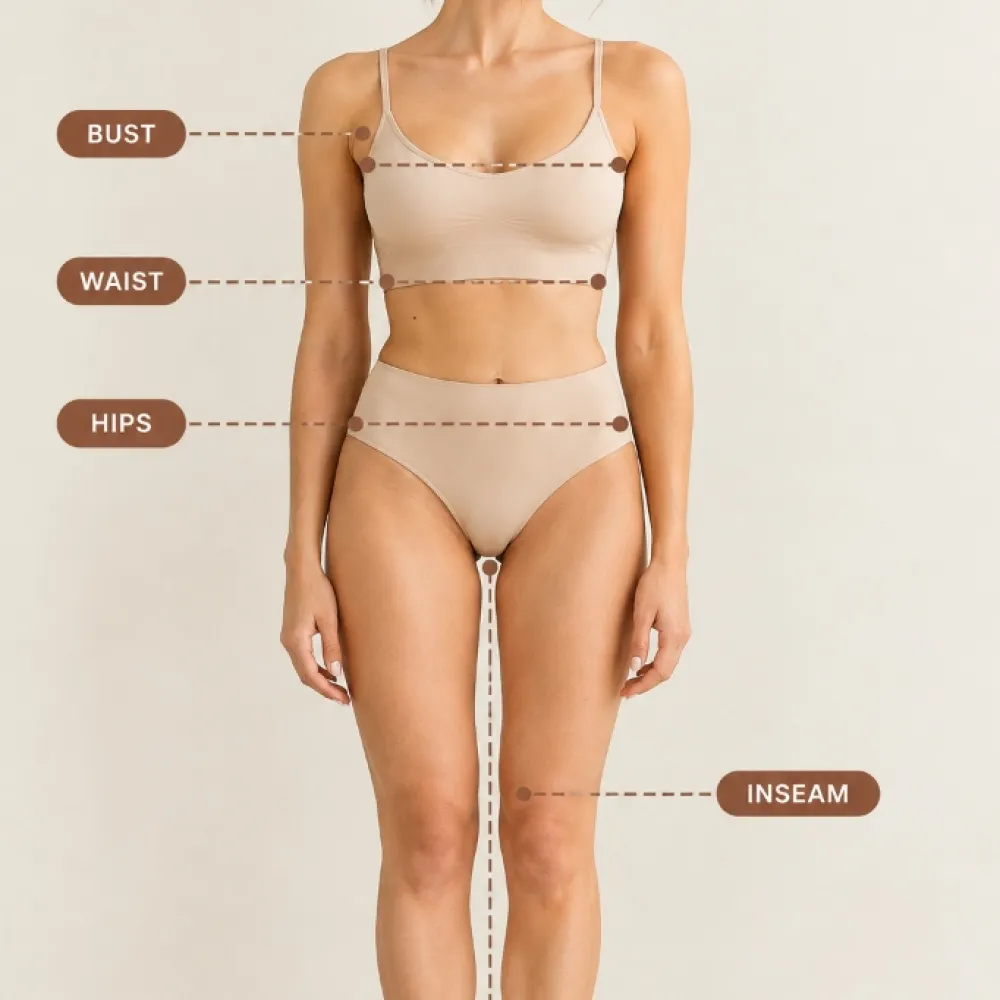
The clothing size converter works from your measurements, not a label, and the body shape calculator tells you where width sits on your frame today.

Fewer, Better

A capsule rewards spending more on fewer pieces, and cost per wear makes the case clearly. A coat worn most days for a decade costs very little per wear, even at a higher price.

Colour Can Shift

Greying hair, a change in hair colour or simply a different complexion can move which colours work best. A palette that suited you at thirty may need adjusting — not because of age, but because your colouring has changed.

This is one of the more useful things to check before building a capsule, because every piece in it is chosen to work with every other. Get the palette right and the rest follows.

If colours that used to work now look slightly off, your colouring may have shifted. Retaking the colour analysis quiz is worth doing after any significant change in hair colour.

Our guide to hair colour by colour season covers how a change in hair affects your palette, and building a wardrobe from your colour palette covers what to do with the result.

A Capsule Wardrobe Over 40, Piece by Piece

A capsule wardrobe laid flat: two coats, knits, a white shirt, a silk blouse, trousers, denim, a skirt, a dress, loafers, ankle boots, a bag and a scarf.

Outerwear

  • A wool coat that fits at the shoulder
  • A trench coat or light jacket

The two pieces seen most, and the two worth spending most on. See how to choose a trench coat.

Tops

  • Three fine knits in your base palette
  • A white shirt
  • Three quality t-shirts
  • One silk or silk-feel blouse

Enough to layer for most of the year without repeating an outfit too obviously.

Bottoms

  • Tailored trousers in a neutral
  • Straight-leg denim
  • One skirt

The bottoms are what everything else works around, so choose them first. How jeans should fit covers the checkpoints.

Dresses

  • One day dress
  • One dress that works for the evening

A day dress is the easiest complete outfit in the wardrobe.

Shoes

  • Leather flats or loafers
  • Ankle boots
  • One smarter pair

Walkable first, always. Read how French women buy shoes for the habits that make them last.

Accessories

  • One structured bag
  • One scarf in an accent colour

The scarf is where an accent colour does the most work for the least money.

Comfort in shoes matters more with every year of wearing uncomfortable ones. A shoe you cannot walk in for an afternoon does not belong in a capsule at any age.

Building It

Start with an audit, not a shop. Lay out the ten pieces you wear most — they already define your capsule, and they tell you which gaps are real. Then fill those gaps, starting with the coat and the trousers, because every other piece is chosen to work with them.

The builder asks about your climate and your week, not your age — because those are what decide the list.

Before buying anything expensive, run it through the cost per wear calculator, and read which pieces are worth spending on. For a fuller list across all four seasons, see the year-round capsule wardrobe checklist, and for the core pieces with the reasoning attached, the ten pieces European wardrobes are built on.

Frequently Asked Questions

What should be in a capsule wardrobe over 40?

The same core as any capsule — a good coat, tailored trousers, quality knits, denim, a versatile dress and comfortable shoes. The difference is choosing them with a clearer sense of your own style.

Is there anything I should stop wearing after 40?

No. There is no hem length, colour or style that becomes wrong at a particular age. Wear what fits your life and your taste.

How many pieces should a capsule wardrobe have?

Most work between thirty and forty pieces including shoes and outerwear. The builder adjusts the count to your climate and week.

Why do my clothes not fit the way they used to?

Bodies change shape over time, and sizing varies between brands anyway. Buying to current measurements rather than a remembered size fixes most of it.

Do my colours change as I get older?

Your colouring can shift, especially with greying or changed hair colour. If familiar colours look slightly off, retake the colour analysis quiz.

For background on the idea itself, see the history of the capsule wardrobe.