
 Europe Travel Fashion
EUROPEAN STYLE, DECODED
European Women's Fashion, Decoded for Real Life
European women's fashion is talked about everywhere, but rarely explained. You see the photos — the linen shirt in Puglia, the trench in Paris, the trainers in Copenhagen — and no one tells you what actually makes it work, or how any of it translates to your body, your colouring and your size. That is what this site is for. We break European style down country by country and season by season, then give you free tools to apply it: find your colour season, find your body shape, and convert EU sizes to US and UK before you buy. No guesswork, no 'just buy a striped top.'
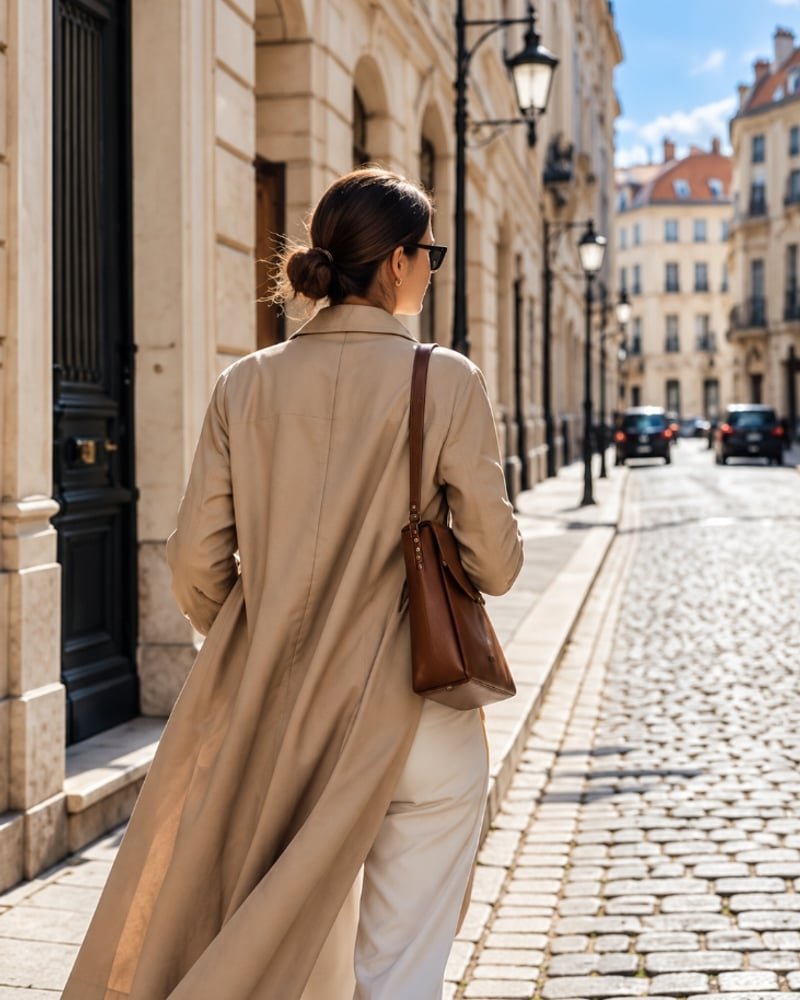
FREE TOOLS
Start With You: 3 Free Tools Before You Shop
Most style advice fails because it skips the personal part. Start here.
Color Analysis Quiz — Find Your Season
Find out whether you're a spring, summer, autumn or winter, plus your 12-season subtype, and get a palette you can actually shop from. Free, no email required.
Body Shape Calculator — Find Your Shape
Enter your bust, waist and hip measurements to find your shape and see which European silhouettes suit you.
EU to US Size Conversion — Get the Fit Right
European sizes run differently from American ones. Convert clothing, jeans and bra sizes in seconds before you order.
EUROPEAN STYLE IN 5 PRINCIPLES
How to Dress Like a European Woman (Without the Costume)
Short answer: European women build outfits around fit, fabric and a small, repeated set of pieces — not around trends. Fewer items, better cut, neutral base, one point of interest.
Ask how to dress like a European woman and you will usually get a shopping list: trench coat, white shirt, ballet flats, gold hoops. The list is not wrong, but it explains nothing. The real difference is not what European women own — it is how they use it.
01 Repetition
A European woman will wear the same well-cut trousers three times in a week and think nothing of it. Outfits are built from a rotation of maybe fifteen pieces, so every item has to earn its place. This is why the clothes look considered: they have been worn enough times to be understood.
02 Fit over size
Tailoring is normal, not a luxury — a €40 pair of trousers taken in at the waist for €12 reads more expensive than a €200 pair that gapes. If you take one habit from European women's style, take this one.
03 Fabric before print
Linen, cotton poplin, wool, leather. Natural fabrics hold their shape, age well and photograph as 'quiet' rather than cheap. Print is used sparingly, usually on one piece.
04 Restraint
One focal point per outfit — a red shoe, a strong bag, a pair of earrings. Not three.
“European women dress for the city they live in. Parisian style is not Milanese style. Copenhagen dresses nothing like Barcelona.”
05 City over country
A Danish woman will wear trainers with tailoring; a Milanese woman will not. Treating 'Europe' as one aesthetic is the single biggest mistake in most European style guide content online — and it is why so much advice fails the moment you land.
What this means practically: you do not need a new wardrobe. You need the right base colours for your skin, the right silhouette for your frame, and pieces that fit properly. Our color analysis quiz and body shape calculator handle the first two in about four minutes.
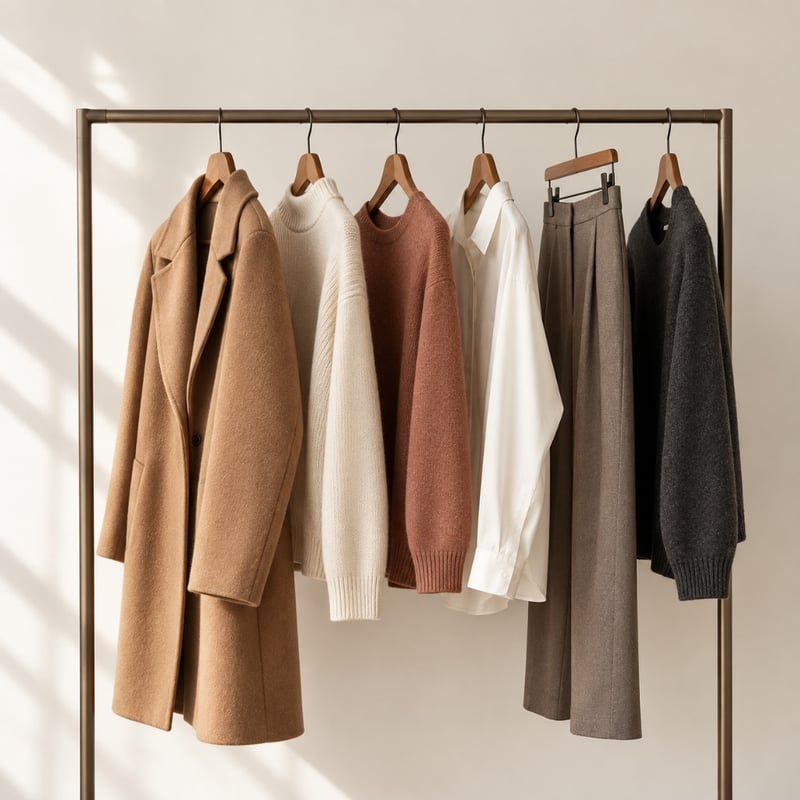
SUMMER
European Summer Outfits That Survive a Heatwave
Short answer: Loose natural fabrics, closed or minimal sandals, one linen layer for evening, and colours that suit your undertone — not just white and beige.
The internet version of european summer outfits is a white linen dress on a boat in Capri. The reality is 34°C in Rome, cobblestones, and a church that will not let you in with bare shoulders. Real European summer outfits solve three problems at once: heat, walking distance and dress codes.
That means breathable fabric over tight silhouettes, a light layer you can carry for cathedrals and cold restaurants, and shoes you have already broken in. For colour, skip the assumption that everyone looks good in optic white — warm undertones almost always look better in cream, camel and olive. Our personal color palette generator will tell you which summer neutrals work on you.
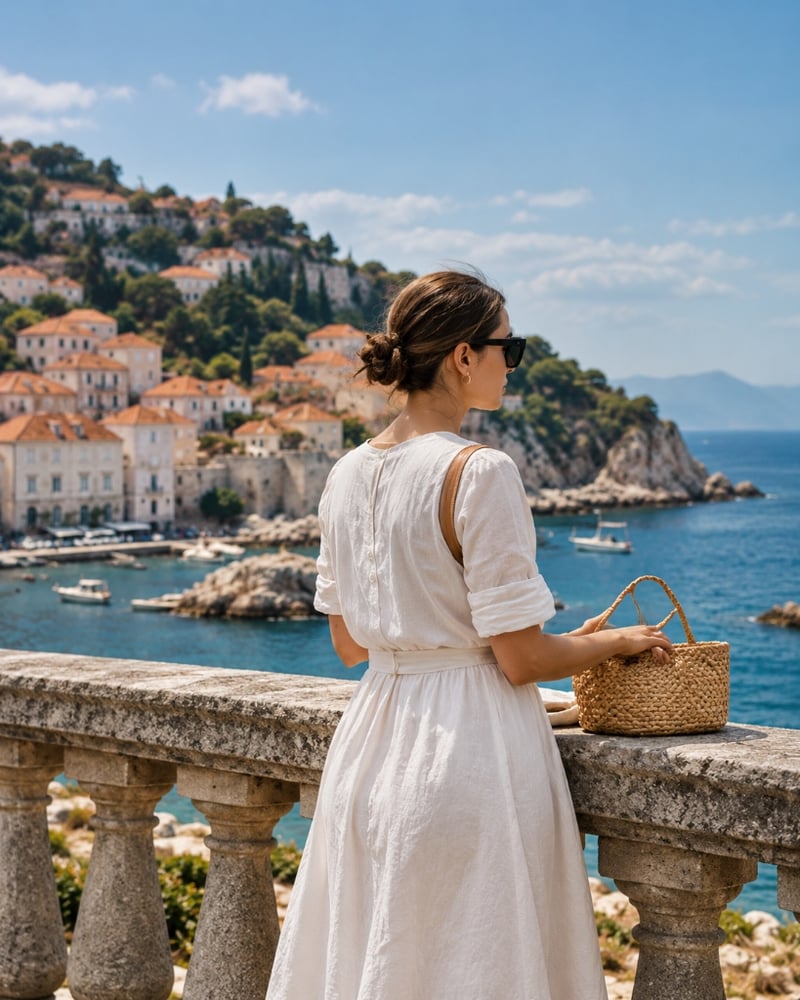
PACKING GUIDES
What to Wear in Europe, Month by Month
Short answer: Pack for the month and the region, not for 'Europe.' July in Seville and July in Edinburgh need different suitcases.
This is where most packing advice breaks down. Europe spans from Lisbon to Helsinki, and a single packing list cannot cover both. Our month-by-month guide splits every season into Northern, Central and Southern Europe, with what to pack for each.
Before you pack, run your list through the luggage weight calculator — European budget airlines enforce cabin weight limits far more strictly than US carriers. Read more expert packing tips on what to wear in Europe.
CITY BY CITY
Country-by-Country: European Style Clothing for Women
This is the section no one else has. European style outfits for women look completely different depending on where you are standing.
| CITY | THE CODE | THE ONE PIECE |
|---|---|---|
| Paris | Undone, neutral, no obvious effort | Well-cut blazer |
| Milan | Polished, sharper tailoring, real leather | Structured bag |
| Copenhagen | Relaxed, colour-confident, trainers with everything | Oversized shirt |
| Barcelona | Warm-weather ease, bare but covered | Linen set |
| Stockholm | Minimal, cool-toned, layered | Straight-leg trouser |
| Vienna | Classic, conservative, quality-first | Wool coat |
TRENDS
Current European Fashion Trends, Filtered
Short answer: Most European fashion trends are regional before they are continental. We track what is actually being worn in Paris, Milan, Copenhagen and Madrid — and tell you which trends are worth adopting for your shape and colouring.
Trend coverage is easy to find and hard to use. Elle and Who What Wear will tell you what walked the runway; we tell you which of it survives contact with real life. Each trend entry gets three notes: who it flatters, what it costs to try, and what it replaces in your wardrobe.
Our European women's style coverage is organised by city rather than by season, because European street style women in Stockholm and Seville are not following the same rules. Discover foundational principles in our analysis of European style lessons.
LATEST
Latest from the Blog
Europe Travel Fashion
 European Style
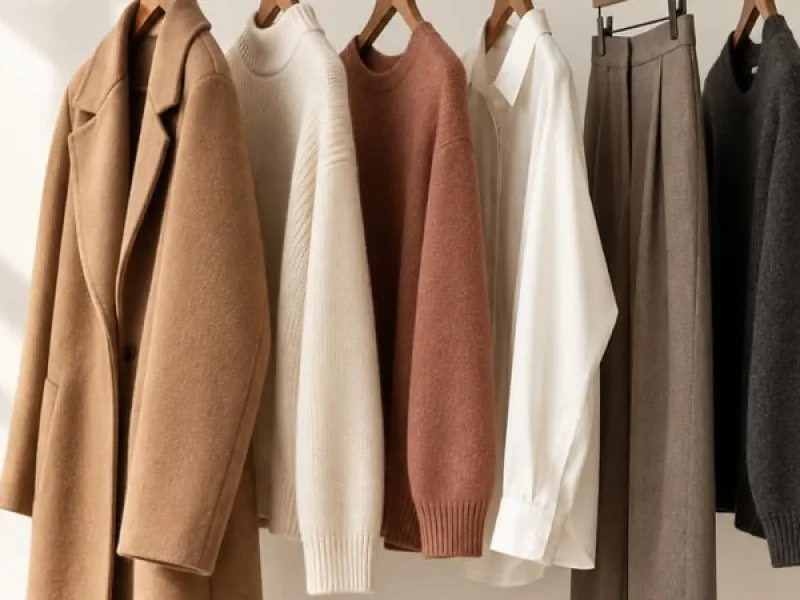
Which Pieces Are Worth Spending On? Where to Invest and Where to Save
 Outfit Ideas
A Year-Round Capsule Wardrobe Checklist, Season by Season
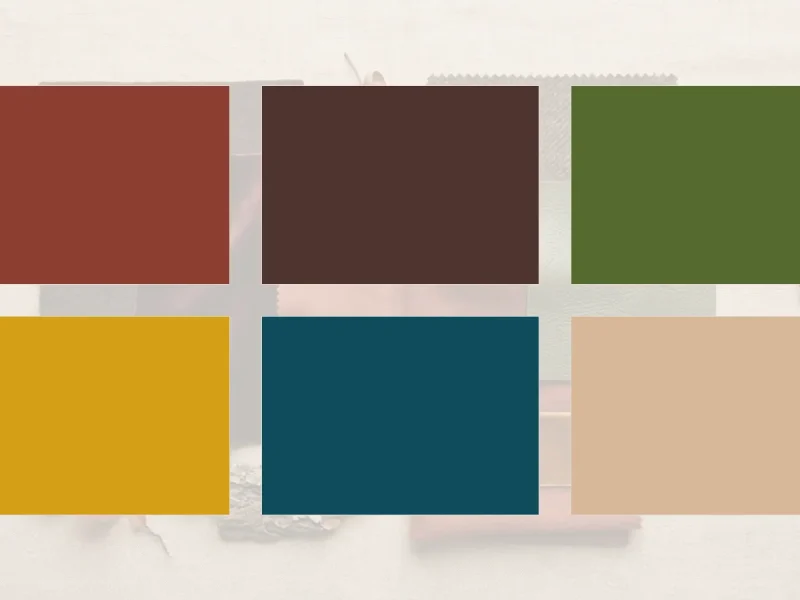 Colour Analysis
How to Shop With a Colour Palette, In Store and Online
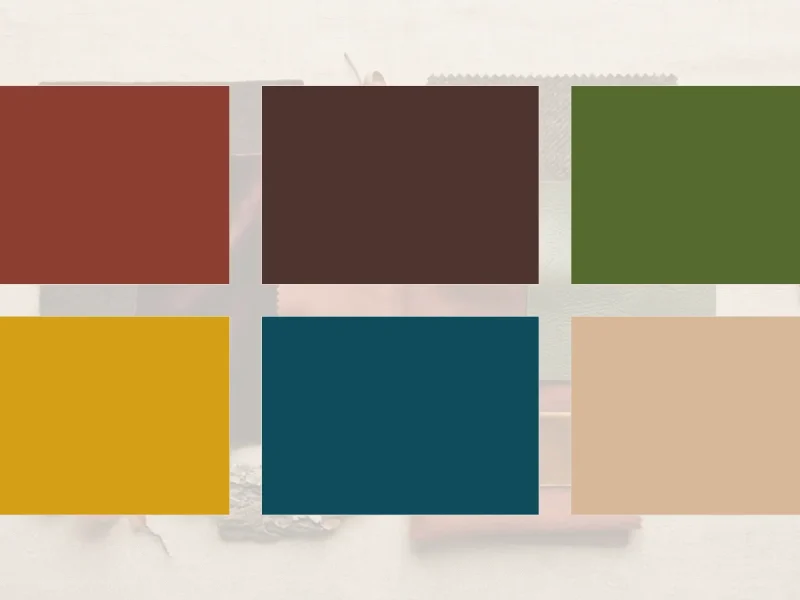 Outfit Ideas
What Goes With Brown? The Best Colour Pairings for Every Shade
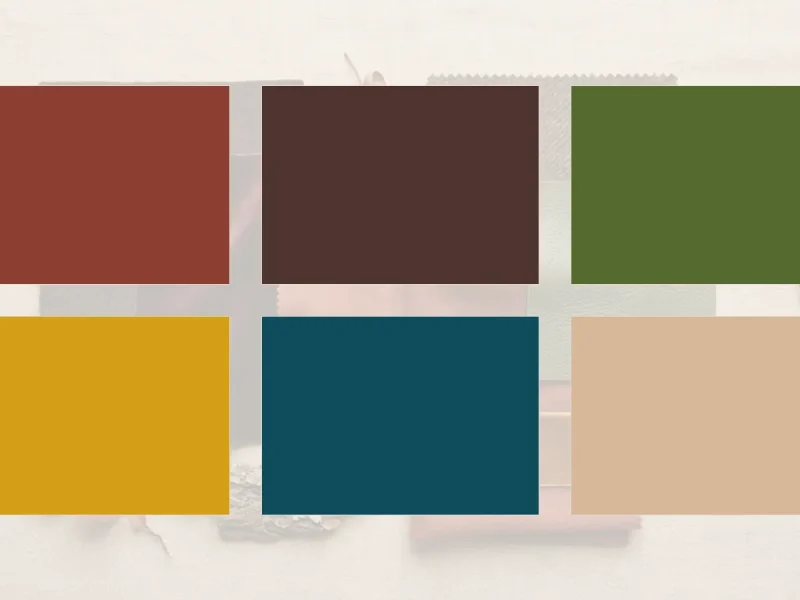 Outfit Ideas
What Goes With Olive Green? Nine Colours That Work
QUESTIONS
Frequently Asked Questions
- What is European women's fashion?
- European women's fashion describes a dressing approach built on fit, natural fabrics and a small rotating wardrobe rather than seasonal trend-chasing. It varies sharply by country: Parisian style favours undone neutrals, Milanese style favours polished tailoring, and Scandinavian style favours minimal, colour-confident layering.
- How do European women dress differently from Americans?
- European women generally own fewer garments, repeat outfits more often, prioritise tailoring, and choose natural fabrics over synthetics. Footwear is usually walkable and already broken in, athleisure is rarely worn outside exercise, and outfits are built around one focal point rather than several.
- What size am I in European clothing?
- European sizes typically run two sizes higher numerically than US sizes: a US 6 is usually an EU 38, and a US 8 is an EU 40. Sizing still varies by brand, so measure your bust, waist and hips and check against our EU to US size converter.
- What should I pack for a summer trip to Europe?
- Pack loose natural fabrics, one light layer for churches and air-conditioned restaurants, and broken-in walking shoes. Plan five to seven interchangeable pieces in a single colour palette rather than separate daily outfits, and check your airline's cabin weight limit before flying.
- Is European fashion the same across all of Europe?
- No. European fashion differs significantly by region. Mediterranean countries lean towards lighter fabrics and warmer neutrals, Northern Europe towards minimal, cool-toned layering, and Central Europe towards classic, conservative tailoring. Treating Europe as one aesthetic is the most common mistake in style guides.
- Do I need to buy European brands to dress this way?
- No. The effect comes from fit, fabric and colour, not from labels. A tailored €40 trouser reads better than an untailored €200 one. Start by identifying your colour season and body shape, then apply those rules to what you can already afford.