Hair is one of the three inputs to colour analysis, alongside skin and eyes, so it works both ways: your season suggests which hair colours will look natural on you, and changing your hair colour can change which clothing colours suit you. Choosing hair colour by colour season means working with your undertone rather than against it.
This guide covers the principles for each season family, what to consider when going grey, and what to do after a change. It is a styling guide, not a substitute for a colourist who can see your hair and skin. More in our Colour Analysis section.
The Two Principles
Temperature
Warm undertones tend to suit hair colours with golden, copper or red tones. Cool undertones tend to suit ash, cool brown, platinum and blue-black tones. The undertone test tells you which you are.
Contrast
Some people have high natural contrast between hair, skin and eyes; others low. Bright and deep seasons usually suit clearer, higher-contrast hair colours; light and soft seasons usually suit softer, blended ones.
Hair Colour for Each Season Family
Spring — Warm and Light
Golden blondes, strawberry blonde, honey, light warm browns and soft copper. Avoid very ashy or very dark shades, which can look heavy against light, warm colouring.
Summer — Cool and Soft
Ash blonde, cool light and mid browns, soft mushroom tones. Blended, low-contrast shades work best; very warm golden or brassy tones less so.
Autumn — Warm and Rich
Copper, auburn, chestnut, warm mid to dark browns and golden brown. Deep Autumns can carry rich dark browns; Soft Autumns suit softer, blended warm shades.
Winter — Cool and Clear
Cool dark brown, espresso, blue-black and, for some, icy platinum. Clear, high-contrast shades suit most winters; warm golden tones less so.
| Season family | Temperature | Hair colours that tend to work |
|---|---|---|
| Spring | Warm, light | Golden blonde, strawberry, honey, light copper |
| Summer | Cool, soft | Ash blonde, cool light and mid browns |
| Autumn | Warm, rich | Copper, auburn, chestnut, warm browns |
| Winter | Cool, clear | Cool dark brown, espresso, blue-black, platinum |
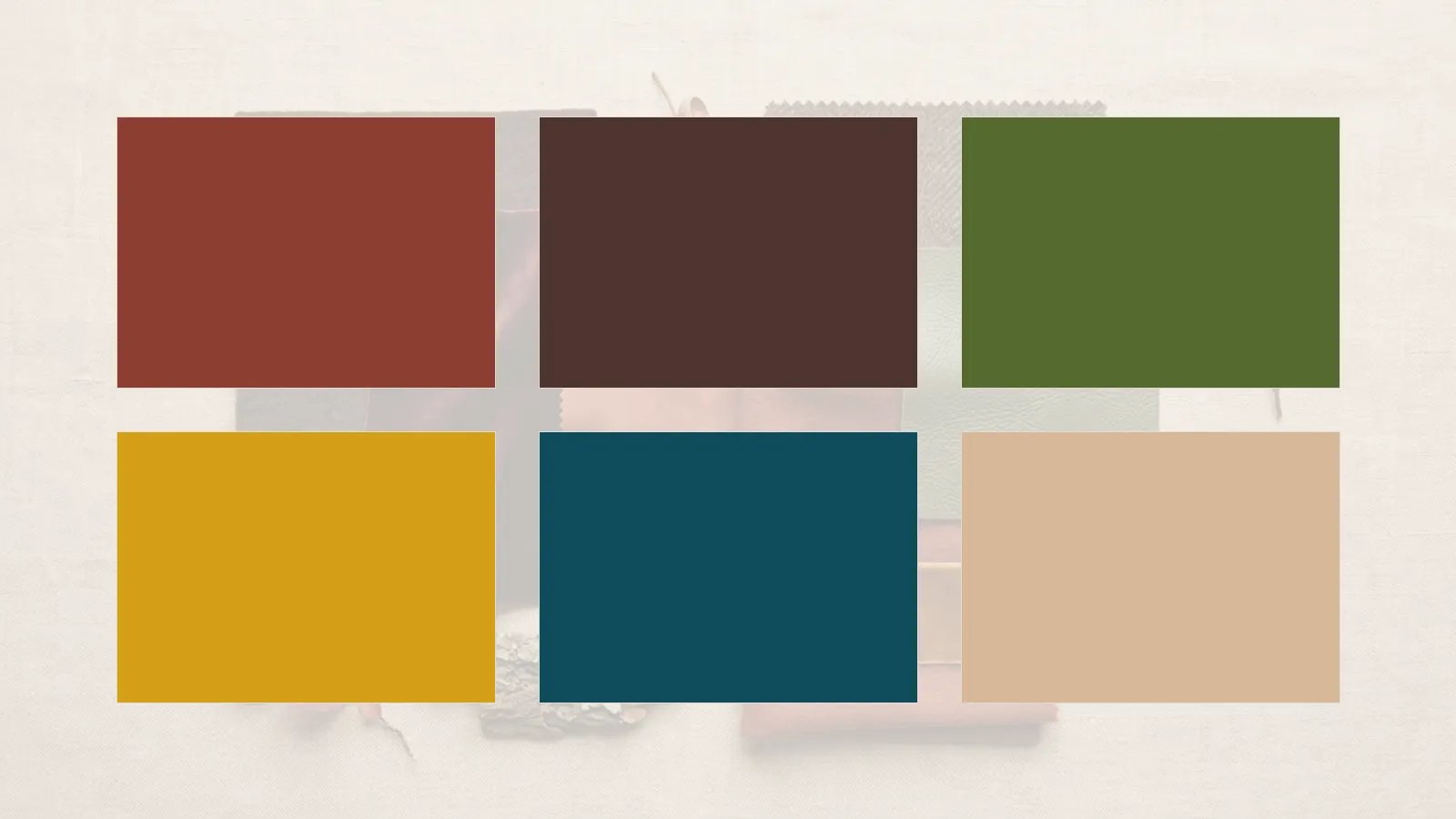
The twelve seasons go further than four families. The best colours for your season shows each one, and the full Deep Autumn palette is an example of how detailed a single season gets.
Going Grey
Grey and silver hair are cool in tone, which can shift which colours suit you. Many people find cooler, clearer clothing colours start to work better as they go grey, and that warm golden tones near the face need rethinking. Others blend grey with highlights or lowlights in their natural temperature.
Neither is right or wrong. What matters is noticing whether familiar colours still look right, and adjusting if not.
After a Big Change
A move from dark to light, or warm to cool, can change your season. After a significant change, check which of your clothes still work — neutrals near the face are the first to show it — and update your palette with the personal colour palette generator. Building a wardrobe from your colour palette covers what to do next.
The same logic applies to metals and makeup: see gold or silver for your undertone and the best whites and neutrals for each undertone. For the cut rather than the colour, read haircuts by face shape. And for how style questions differ from colour ones, capsule wardrobes over 40 covers how colouring can shift over time.
Seasonal Colour Analysis Quiz
Your season, your 12-season subtype and a full palette.
Try this free calculator to find your exact match.
Frequently Asked Questions
What hair colour suits my colour season?
Can changing my hair colour change my season?
What hair colour suits cool undertones?
What hair colour suits warm undertones?
Does grey hair change what colours suit me?
For background, see human hair colour and the history of colour analysis.
Brand and sizing data on this site is reviewed quarterly. If a figure here is wrong, email fashion@womensfashioneu.com and it will be checked and corrected.