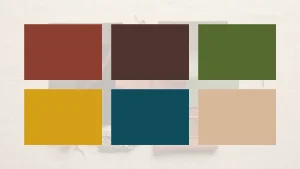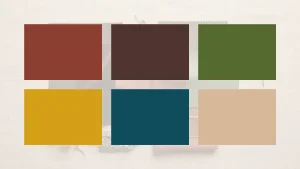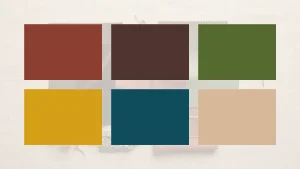
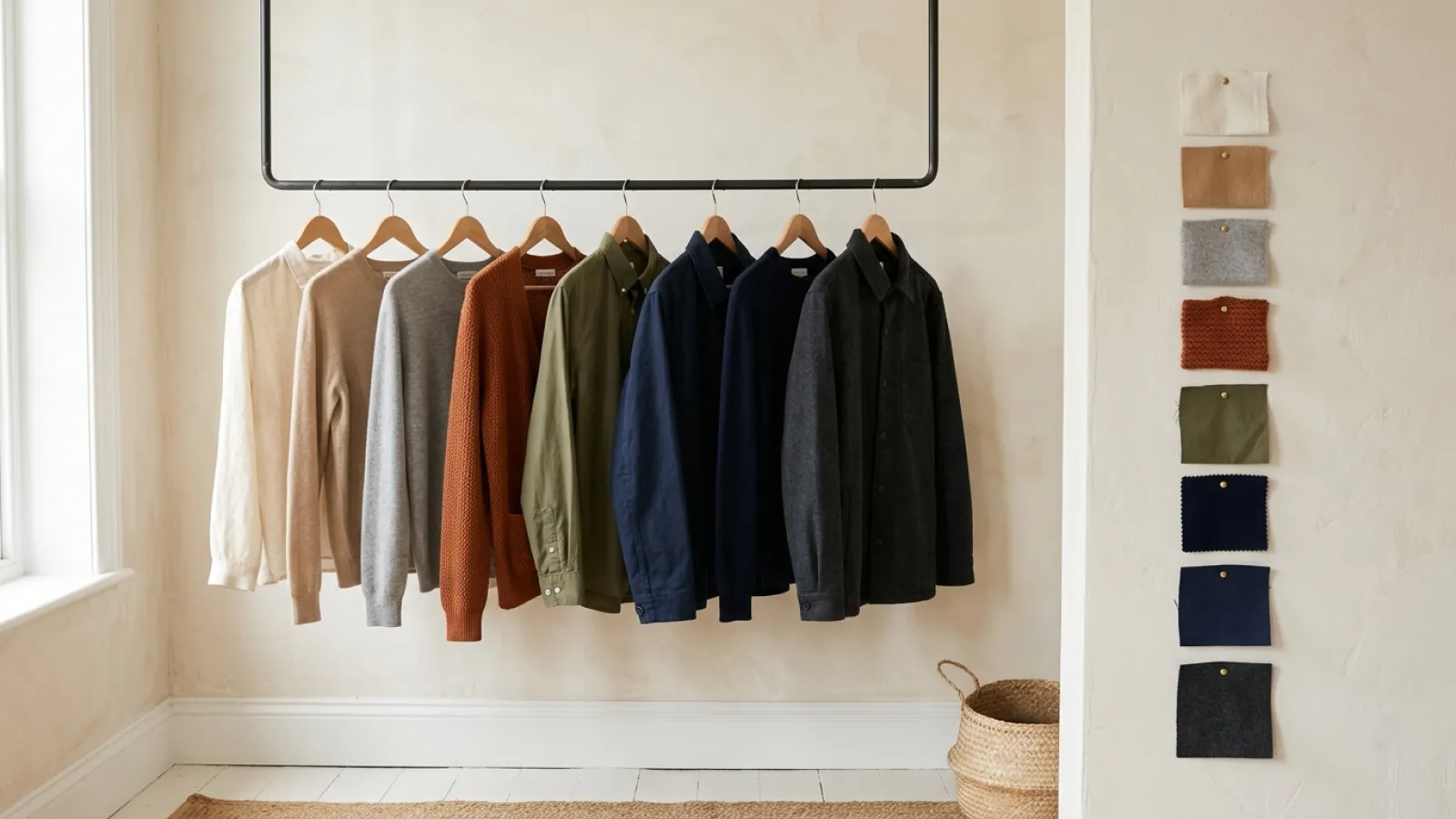
A colour palette is only useful once it changes what you buy. Building a wardrobe from your colour palette means deciding which of your colours carry the wardrobe, which add variety, and which are used sparingly — and then buying in that order. Done well, it is the single change that makes a small wardrobe produce the most outfits.
This guide covers how to structure a palette, the proportions that work, and a step-by-step way to build or rebuild a wardrobe around it. More in our Colour Analysis section.
Start With Your Palette
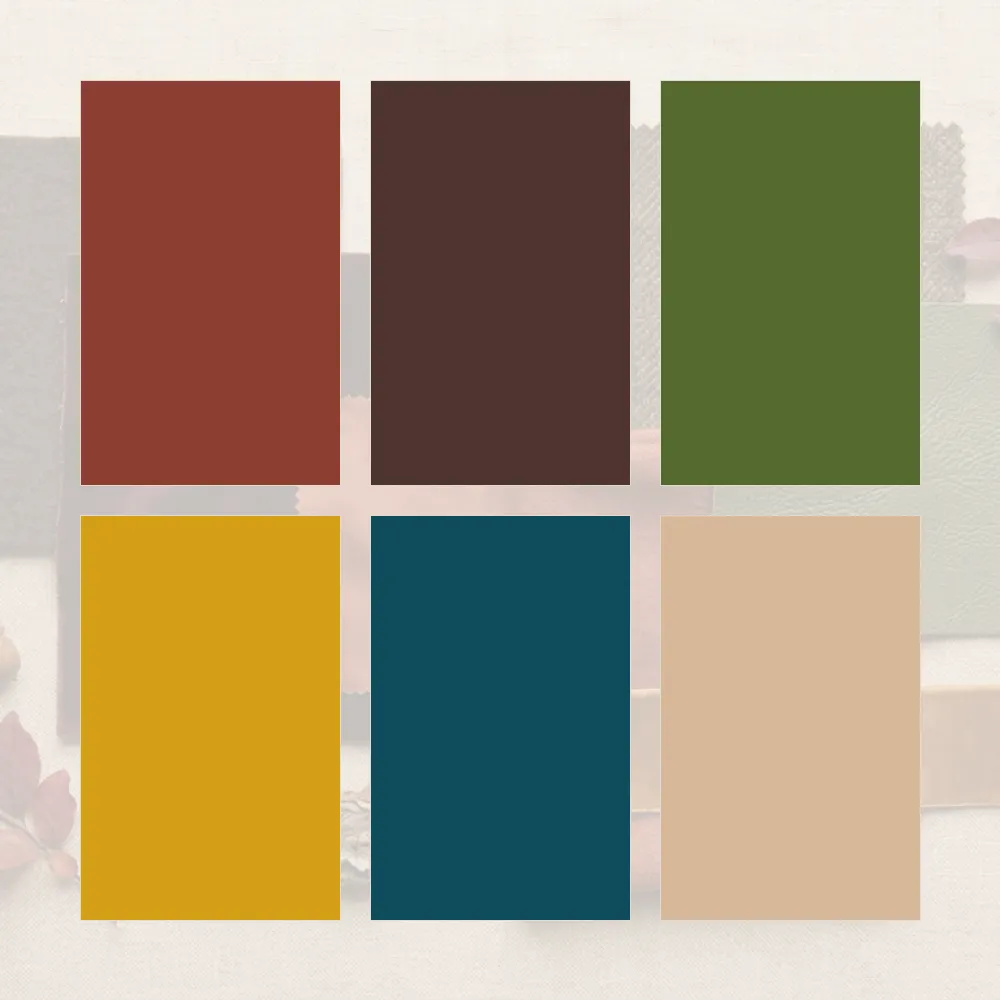
If you do not have one yet, start with your colour season, then turn it into a working palette. The palette generator gives 24 swatches split into neutrals, main colours, accents and metals — exactly the structure this guide uses.
Do not know your season? Take the colour analysis quiz first, or start with the undertone test. The best colours for your season shows all twelve palettes side by side.
The Three Layers of a Palette Wardrobe
Neutrals — Most of the Wardrobe
Two or three neutrals from your palette form the base: coats, trousers, most knits, shoes and bags. Because they all work together, they make repetition invisible. See the best whites and neutrals for each undertone.
Main Colours — Variety
Three or four main colours for tops, knits, dresses and a skirt. These are what make outfits feel different from day to day.
Accents — Small Doses
One or two accent colours for a scarf, a bag, a shoe or jewellery. Accents give an outfit its point of interest.
| Layer | Share of wardrobe | Used for |
|---|---|---|
| Neutrals | About 60% | Coats, trousers, most knits, shoes, bags |
| Main colours | About 30% | Tops, knits, dresses, a skirt |
| Accents | About 10% | Scarves, bags, jewellery, one statement piece |
Step by Step
- Audit. Lay out what you own and sort it into palette neutrals, palette colours, and pieces outside the palette.
- Keep what works. Pieces in your palette stay. Pieces outside it that you love and wear stay too — the palette is a guide, not a purge.
- Fill the neutral gaps first. A coat, trousers and shoes in your neutrals make everything else wearable.
- Add main colours. Two or three tops and knits, then a dress.
- Add accents last. A scarf and a bag do the most for the least money.
Making Colours Work Together
A palette tells you which colours suit you; it does not tell you which combinations work in an outfit. The outfit colour combination generator does, and it can filter its combinations by your season.
For two colours that are easy to build around, see what goes with olive green and what goes with brown. When you are out shopping, how to shop with a colour palette covers the practical side.
From Palette to Capsule
A palette and a capsule wardrobe work best together: the palette decides the colours, the capsule decides the number and type of pieces. The capsule wardrobe builder puts your palette across the top of its checklist. For the pieces themselves, see the ten pieces European wardrobes are built on and the year-round capsule wardrobe checklist.
Personal Colour Palette Generator
Skin, hair and eye colour to a wearable sixteen-shade palette.
Try this free calculator to find your exact match.
Frequently Asked Questions
How do I build a wardrobe from my colour palette?
How many colours should a wardrobe have?
Should I get rid of clothes outside my palette?
What is the 60/30/10 rule for clothes?
Which pieces should be in my palette colours?
For the colour theory behind palettes, see the Munsell colour system, and for the history of the seasonal approach, colour analysis.
Brand and sizing data on this site is reviewed quarterly. If a figure here is wrong, email fashion@womensfashioneu.com and it will be checked and corrected.