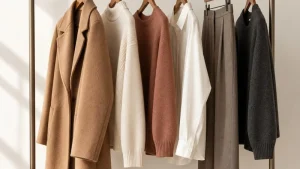
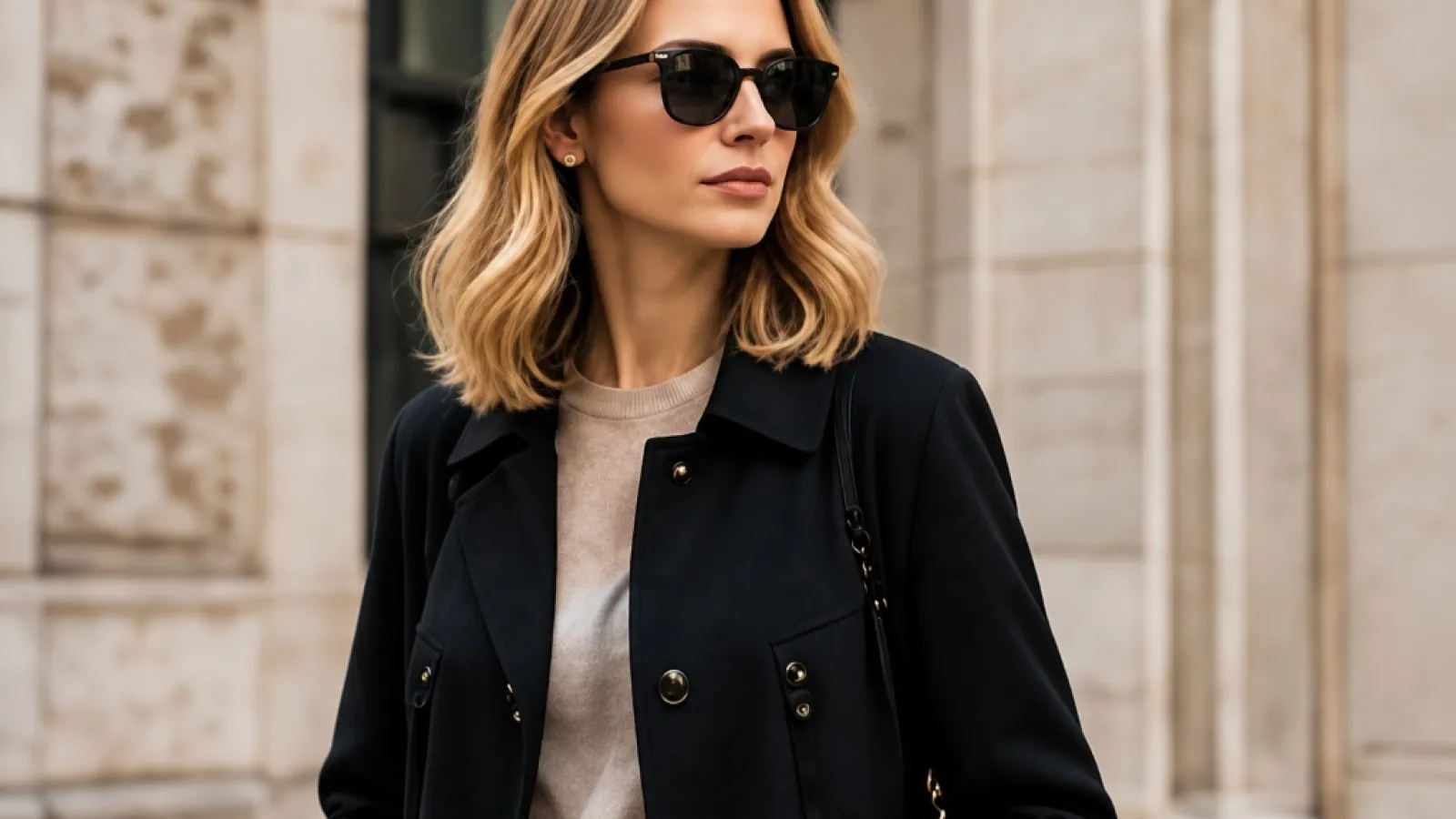
Copenhagen style is the European look that travels best, and the reason is practical rather than aesthetic. It is a city where a great many people cycle, where rain arrives without much warning, and where winter is long and dark. Clothes have to work on a bicycle, survive weather and still look deliberate at a desk. The style that grew out of that is relaxed without being careless — which is precisely what most people are trying to achieve and rarely manage.
It differs from Paris and Milan in useful ways. Where Milan keeps everything tonal and tailored, Copenhagen mixes tailoring with trainers. Where Paris keeps to a narrow palette, Copenhagen uses colour and print more freely. Ten lessons from it that work in any city, from our European Style series.
Copenhagen Style: Ten Lessons
1. Tailoring With Trainers
A blazer or wide trousers worn with clean white trainers. The contrast between a formal piece and a casual one is the look itself, not a compromise between two looks.
2. Dress for the Weather First
A good rain jacket is treated as a style piece rather than an afterthought. Build the outfit around what the day's weather needs, then make it look intentional.
3. Everything Must Work on a Bicycle
Hem lengths, skirt widths and shoes that let you move freely. It is a useful test even in cities where nobody cycles: if you could not ride in it, you probably cannot walk far in it either.
4. Oversized, but Deliberately
Volume in one place — a big shirt, a wide trouser — balanced by something closer-fitting elsewhere. Oversized everywhere reads as the wrong size.
5. Colour as a Point, Not a Theme
One piece in a strong colour or print against neutrals, rather than an all-over colourful outfit. The outfit colour combination generator shows which accents work with which neutrals.
6. Layers You Can Take Off
Days change temperature, sometimes several times. A knit that comes off, a jacket that folds into a bag, a shirt that works on its own.
7. Second-Hand as the Default
Buying used is common and unremarkable, which is part of why wardrobes there look personal rather than bought as a set. A vintage coat with good tailoring reads better than a new one that looks like everyone else's.
8. Comfort Is Not a Concession
Nothing on this list requires suffering. If it pinches, rubs or needs constant adjusting, it does not belong in the wardrobe.
9. Hair and Face Kept Simple
The clothes carry the interest. Undone hair and minimal makeup keep the whole look relaxed rather than styled.
10. Repetition Without Apology
The same trousers several times a week, and nobody considers it worth remarking on. It is the same principle behind how European women dress generally.
How Copenhagen Differs From Paris and Milan
| Copenhagen | Paris | Milan | |
|---|---|---|---|
| Shoes | Trainers with everything | Flats and ankle boots | Loafers and heels |
| Palette | Neutrals with one bold colour | Narrow, navy and black | Tonal warm neutrals |
| Tailoring | Oversized, mixed with casual | Fitted, understated | Sharp, formal |
| Outerwear | Weather-first, rain jackets | The trench coat | Structured wool coats |
| Overall | Practical, relaxed | Restrained, deliberate | Polished, tonal |
For the Paris side of the comparison, see the trench coat and how French women buy shoes.
Borrowing the Style for Colder Months
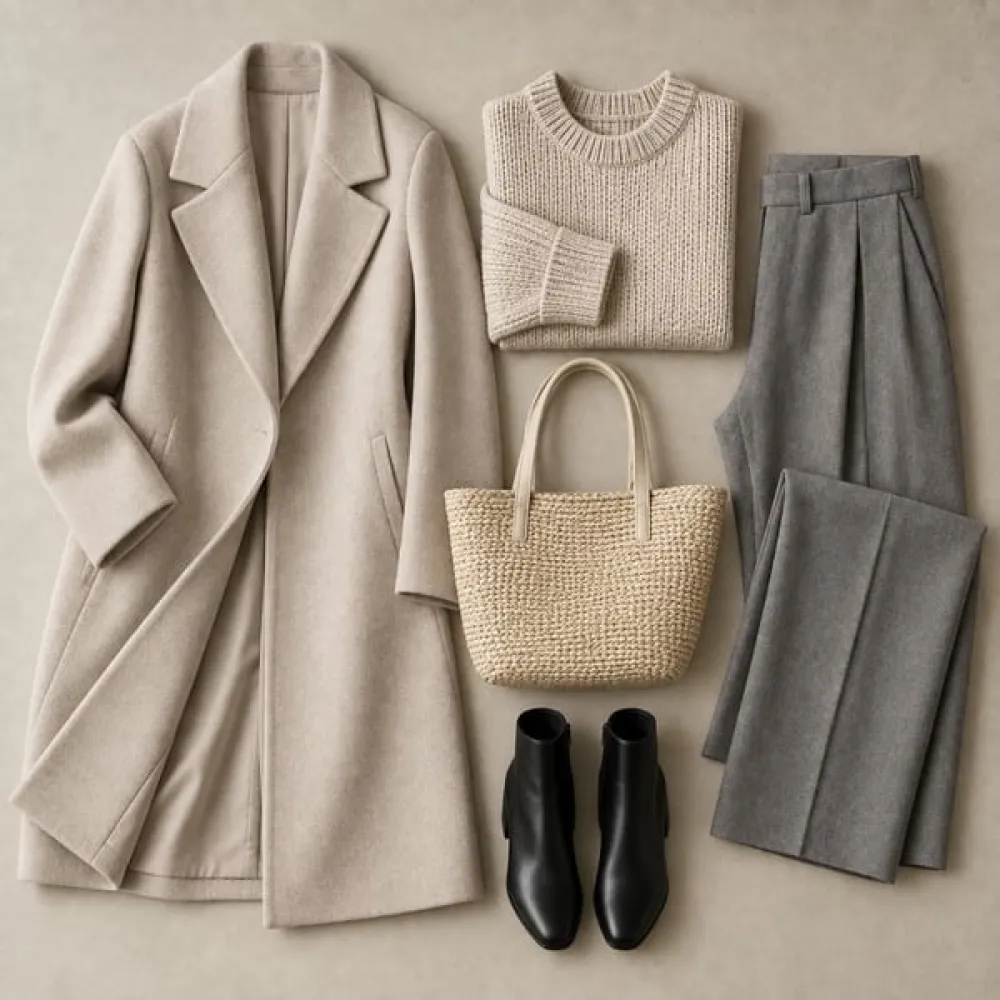
Copenhagen style is at its most useful in winter, because it was built for one. The formula stays the same — a practical outer layer, something relaxed underneath, one strong piece — with warmer fabrics and a waterproof boot in place of the trainer.
Our guides to what to wear in Europe in winter and what to wear in Europe month by month apply the same thinking across the year. For a daily suggestion based on the weather, try what should I wear today.
Is Copenhagen Style Right for You?
Copenhagen style suits people whose personal style leans natural or edgy — relaxed shapes, contrast, comfort. Someone whose style is classic or romantic may take individual lessons without taking the whole look, and that is entirely reasonable.
The personal style quiz tells you your dominant and secondary style, and which of these lessons will feel natural rather than borrowed.
If you are building a Copenhagen-leaning wardrobe from scratch, the capsule wardrobe builder produces a list for your climate and your week, and the ten pieces European wardrobes are built on covers the core.
Personal Style Quiz
Fourteen questions to find your dominant and secondary style.
Try this free calculator to find your exact match.
Frequently Asked Questions
What is Copenhagen style?
How is Copenhagen style different from French style?
What shoes do people wear in Copenhagen?
Can I wear Copenhagen style in a warm climate?
Is Copenhagen style expensive?
To learn more about the city's fashion calendar, see Copenhagen Fashion Week, and for planning a visit, Visit Copenhagen.
Brand and sizing data on this site is reviewed quarterly. If a figure here is wrong, email fashion@womensfashioneu.com and it will be checked and corrected.