How to Shop With a Colour Palette, In Store and Online

A colour palette is only as good as the shopping it changes. Shopping with a colour palette sounds simple — buy colours from the palette — but in practice shop lighting, fabric sheen and phone screens all distort colour, and a shade that looked right on the rail can look wrong at home.

This guide covers how to carry your palette, how to check colours in store, how to judge colours online, and how to decide on colours that are close but not exact. More in our Colour Analysis section.

Keep your palette on your phone, check colours in daylight near a window rather than under shop lights, hold pieces near your face, and treat online colours as approximate until you see them in person.

Carry Your Palette

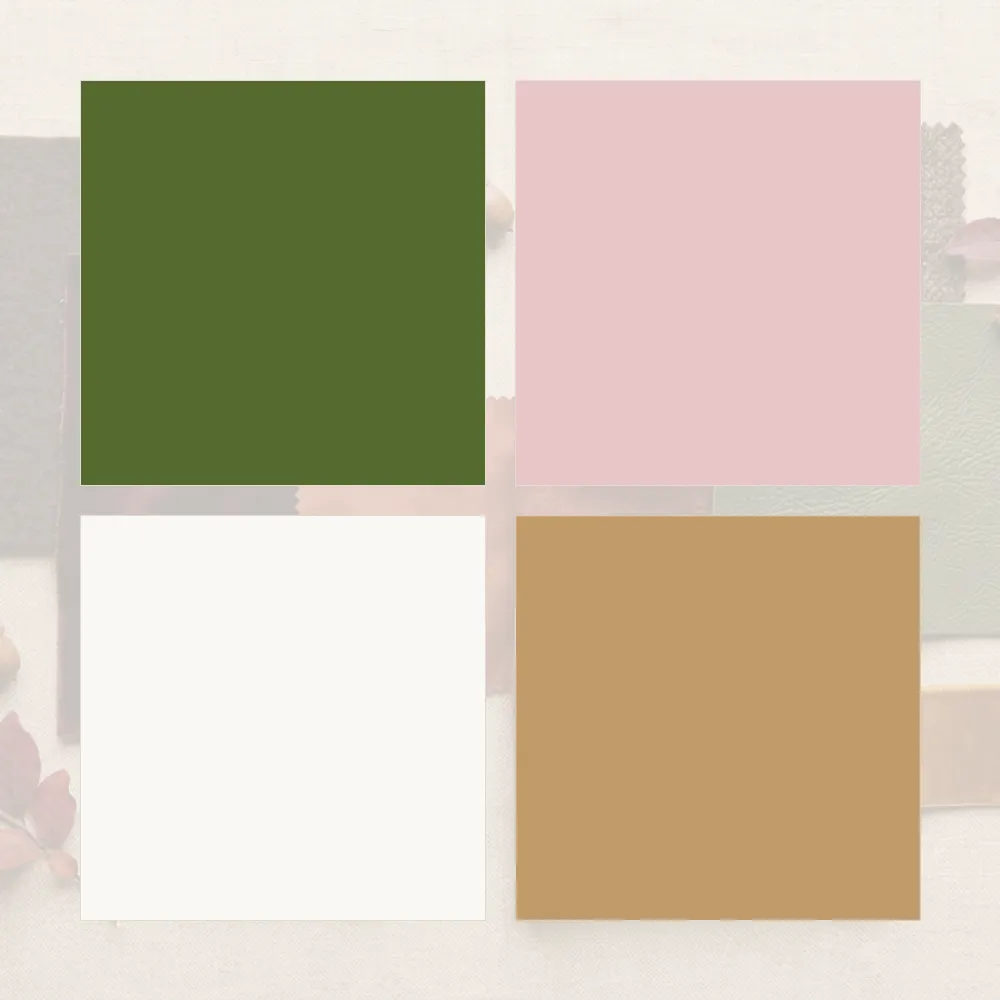
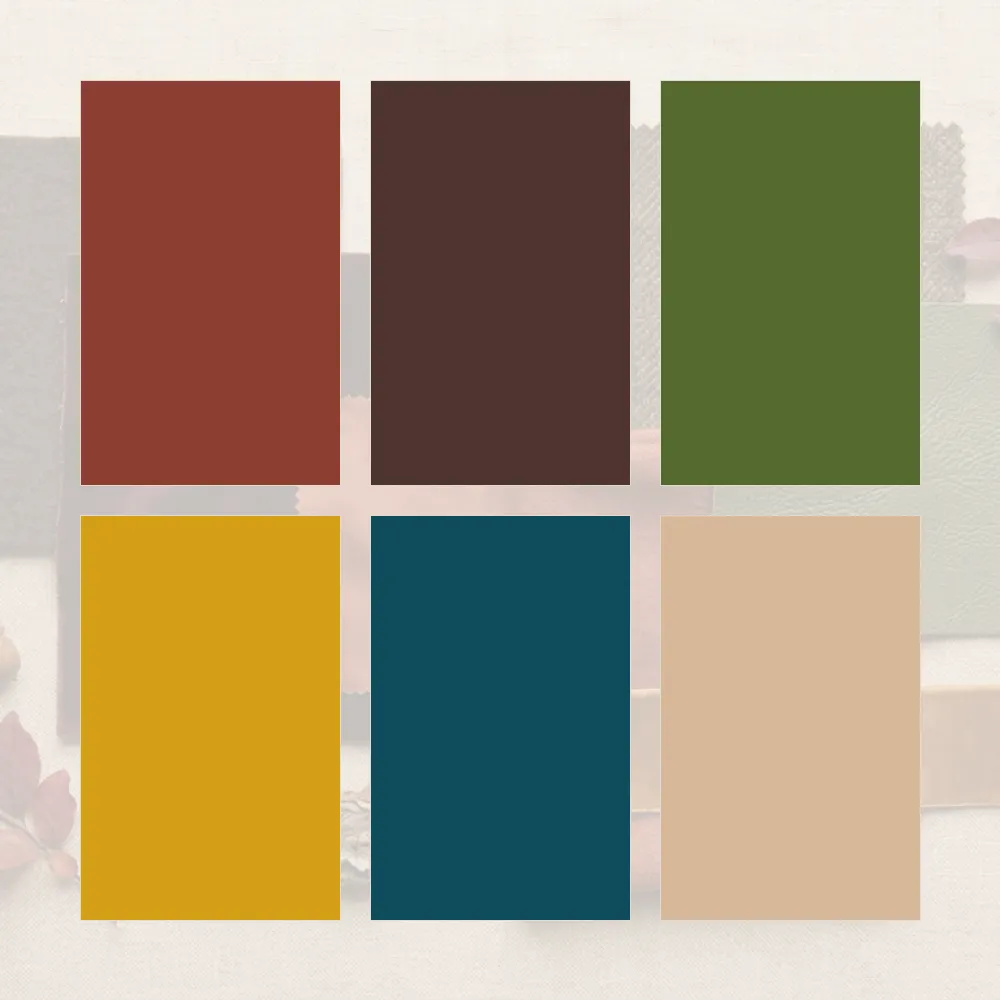
You cannot match a colour you cannot see. Save your palette as an image on your phone so it is always with you. The palette generator exports your 24 swatches as a single image sized for a phone, or as hex codes you can paste anywhere.

Do not know your season yet? Start with the colour analysis quiz and read how to take it accurately.

A small physical swatch — a scrap of fabric in your best neutral — is more reliable than a phone screen. Phone brightness and colour settings change how swatches look.

Shopping in Store

Find Daylight

Shop lighting is often warm and flattering, which shifts colours. Take a piece to the window or the door before deciding. Daylight is the light you will be seen in most.

Hold It Near Your Face

For tops, scarves and coats, hold the piece under your chin in the mirror and look at your skin, not the fabric. The right colour makes the skin look even; the wrong one makes you look tired or flushed.

Compare Against Your Palette

Hold the fabric next to your palette image or swatch. You are looking for the same temperature and roughly the same depth, not an exact match.

Shopping Online

Online colour is the hardest to judge. Product photos are edited, lit differently from one item to the next, and viewed on screens with their own colour settings.

  • Look at several photos — the product shot, the model shot and any close-up.
  • Read the colour name — “stone”, “ecru” and “ivory” tell you more about temperature than the photo might.
  • Check reviews — customers often mention when a colour is different in person.
  • Know the returns policy — for a colour you are unsure of, buy where returns are easy.
Screens do not show colour accurately. Two phones can display the same product photo quite differently. Treat any online colour as approximate until you see it in daylight. The same rust knit under warm lamplight and in daylight, looking noticeably different.

Fabric Changes Colour

The same dye looks different in different fabrics. Shiny fabrics like satin and silk reflect light and look brighter; matte fabrics like wool and linen look deeper and softer. A colour that is slightly too bright in silk may be perfect in wool. Judge the colour in the fabric you are buying.

When a Colour Is Close but Not Exact

You will rarely find an exact match, and you do not need one. Ask two questions: is the temperature right — warm or cool, matching your palette — and is the depth close? If both are yes, it will work. If the temperature is wrong, it will not, however close the shade looks.

Neutrals are the most important to get right, because they are most of the wardrobe; accents can be more approximate. The best whites and neutrals for each undertone helps with the neutrals, and building a wardrobe from your colour palette explains what to buy first.

A Shopping Checklist

  • Palette saved on your phone, or a fabric swatch in your bag
  • A list of the gaps you are shopping for, by colour
  • Check the colour in daylight before buying
  • Hold tops and scarves near your face
  • Check the temperature matches your palette
  • Consider the fabric’s sheen
  • For online orders, read reviews and check the returns policy

Before buying, check whether a piece earns its price with the cost per wear calculator, and whether it fits your plan with the capsule wardrobe builder. For colour combinations in an outfit, the outfit colour combination generator. For two easy colours to build around, see olive green and brown.

Frequently Asked Questions

How do I shop with my colour palette?

Keep your palette on your phone, check colours in daylight, hold pieces near your face, and match the temperature and depth rather than the exact shade.

Why do clothes look different at home?

Shop lighting is often warm and flattering. Daylight shows the true colour, which is why checking near a window helps.

How can I tell colour online?

Look at several photos, read the colour name and reviews, and buy where returns are easy. Screens are never fully accurate.

Does it need to match my palette exactly?

No. The temperature must match; the depth should be close. The exact shade matters less.

Which colours matter most to get right?

Neutrals, because they make up most of the wardrobe, and anything worn near the face.

For why colours change under different light, see colour temperature and metamerism.
What Goes With Brown? The Best Colour Pairings for Every Shade

Brown has become one of the most worn neutrals, and for good reason: it is softer than black, warmer than grey, and suits a very wide range of colourings. Knowing what goes with brown means knowing which brown you are working with, because a dark chocolate and a light tan pair with quite different colours.

This guide covers the main shades of brown, the colours that pair with each, and how to wear them. More in our Outfit Ideas section.

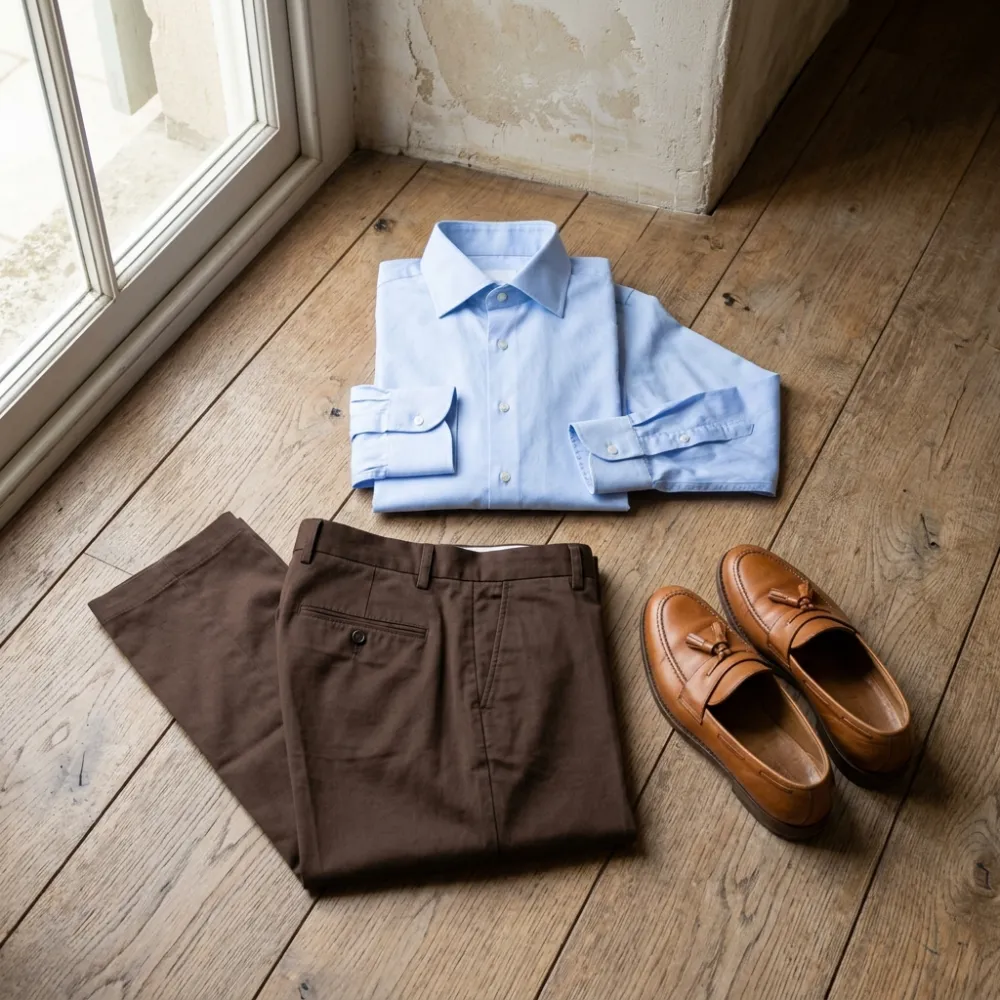
Brown pairs with cream, navy, light blue, pink, olive and other browns. Dark chocolate works like black; light tan and camel work like beige. Tonal brown outfits are one of the easiest ways to look polished.

Know Your Brown

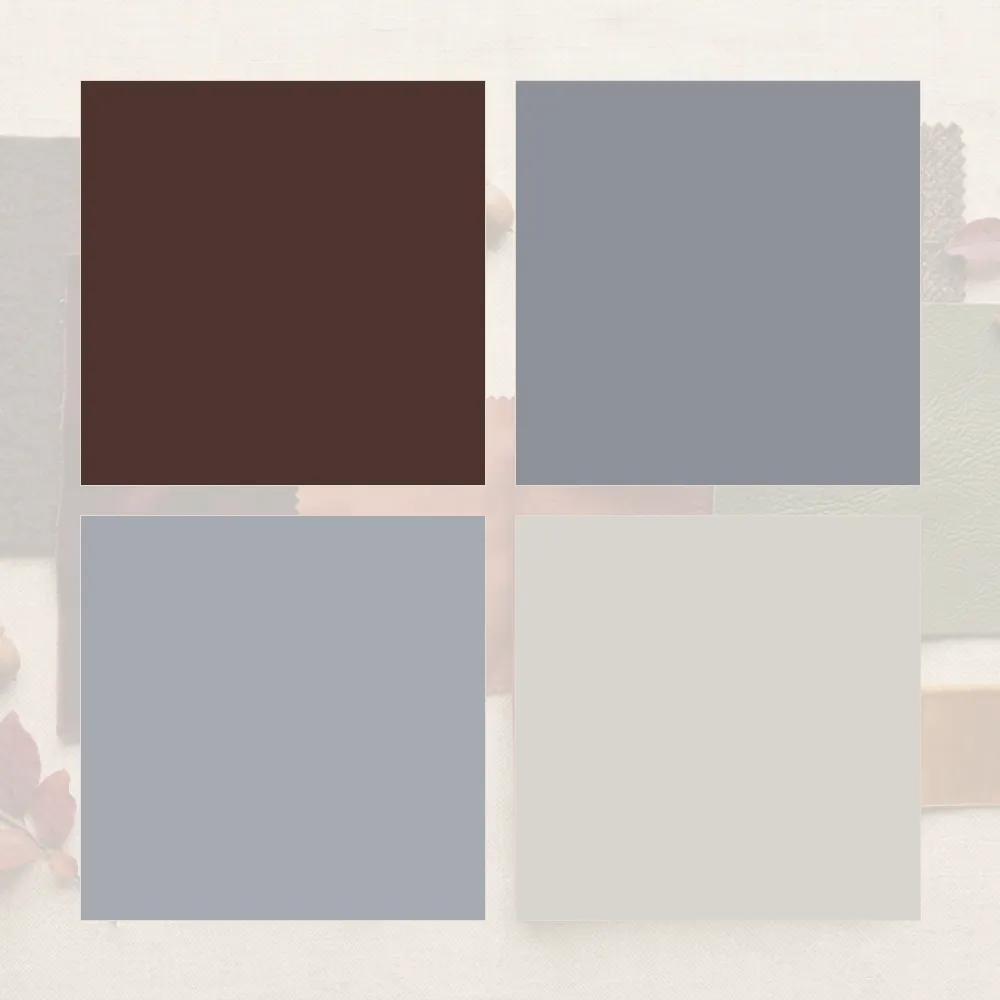
SwatchShadeHexWorks like
Chocolate#4E342EA softer black
Mid Brown#7B4B2AA warm dark neutral
Camel#C19A6BA warm light neutral
Tan#D2B48CA soft beige

For combinations filtered by your season, the colour combination generator has a brown row.

Colours That Go With Brown

Cream and Ivory

The classic. Cream with chocolate is soft and rich; cream with camel is light and calm.

Navy

A sophisticated pairing of two dark neutrals — navy with camel or chocolate works in almost any setting.

Light Blue

Fresh and unexpected. A pale blue shirt with brown trousers is one of the best everyday combinations.

Pink

Soft pink with chocolate brown is warm and modern; dusty rose with camel is gentle.

Olive

Earthy and tonal. Olive and brown together read as a considered autumn palette. See what goes with olive green.

Other Browns

Tonal dressing — chocolate with camel, tan with mid brown — is one of the easiest ways to look put together. Vary the texture, not just the shade.

Rust and Burgundy

Rich accents. A rust knit or burgundy bag with brown deepens the whole outfit.

White

Crisp. A white shirt or trainers with brown looks clean and summery.

Black

Once considered a clash, now common. Black and chocolate together look deliberate when the pieces are clearly different in texture.

Chocolate brown trousers with a grey t-shirt and grey trainers. The same brown trousers with a light blue shirt and tan loafers. For a tonal brown outfit, combine at least three different textures — a knit, a smooth trouser, a leather shoe. Texture stops a single-colour outfit from looking flat.

Who Brown Suits

Warm browns — camel, tan, chocolate with a red or golden cast — suit warm and olive undertones especially. Cooler colourings often do better with greyer, cooler browns such as taupe, or with brown kept away from the face. Deep and autumn seasons wear chocolate particularly well.

The undertone test and the best whites and neutrals for each undertone tell you which browns suit you. The Deep Autumn palette is built largely on warm browns.

Brown in a Wardrobe

Brown can replace black as a wardrobe’s darkest neutral, which softens the whole look. Brown shoes, bags and belts are also easier to pair than black with warm and earthy colours. The personal colour palette generator shows which browns belong in your palette, and building a wardrobe from your colour palette explains how to use them. For leather in brown, see how French women buy shoes and winter accessories worth investing in.

Frequently Asked Questions

What colours go with brown clothes?

Cream, navy, light blue, pink, olive, rust, burgundy, white and other browns.

Does brown go with black?

Yes, when the pieces are clearly different in texture and shade. It looks deliberate rather than mismatched.

What colour top goes with brown trousers?

Cream, light blue, pink and white are the easiest. Navy works for a darker look.

Can I wear brown head to toe?

Yes. Tonal brown is polished, especially when you vary the shades and textures.

Who does brown suit?

Warm and olive undertones especially. Cooler colourings often prefer cooler browns like taupe, or brown away from the face.

For background, see brown and how colours relate on the colour wheel.

What Goes With Olive Green? Nine Colours That Work

Olive green is one of the most useful colours in a wardrobe because it works almost like a neutral — it sits with far more colours than most greens — while still reading as a colour. Knowing what goes with olive green turns a single olive jacket or trouser into a piece that works with half the wardrobe.

This guide covers nine colours that pair with olive, how to wear each combination, and which colourings olive suits best. More in our Outfit Ideas section.

Olive pairs best with cream, navy, camel and rust, and works with black, denim, burgundy, mustard and soft pink. Treat it as a neutral in the main part of an outfit, and add one accent.

Why Olive Works So Well

Olive is a green mixed with brown and grey, which gives it an earthy, muted quality. That muted quality is what lets it sit with both warm and cool colours, and with other neutrals, without clashing. It behaves more like khaki or camel than like a bright green.

For combinations filtered by your own season, the colour combination generator has an olive row.

Nine Colours That Go With Olive Green

1. Cream and Ivory

The easiest pairing. A cream knit with olive trousers, or an ivory shirt under an olive jacket, looks calm and considered.

2. Navy

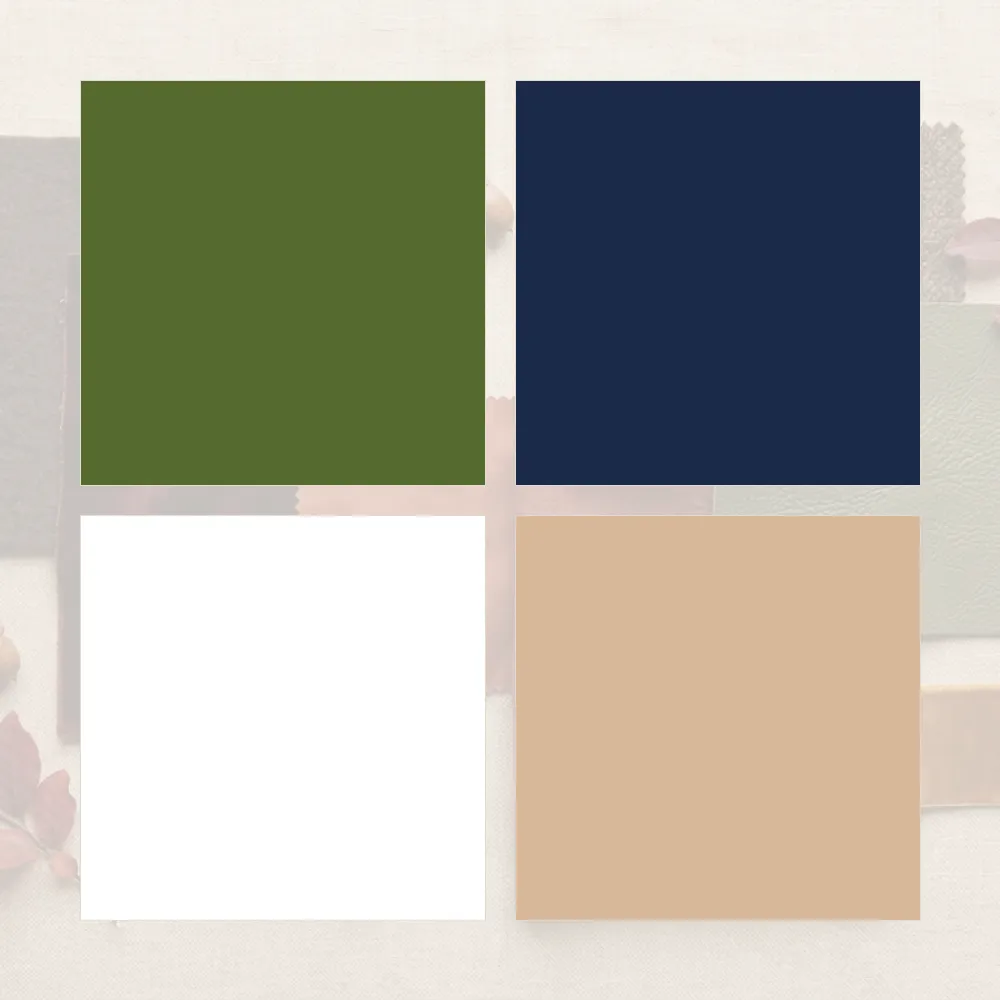
Two dark neutrals together. Olive and navy is a classic, understated combination that works for work and weekends alike.

3. Camel and Tan

Warm and tonal. An olive knit with camel trousers, or olive trousers with a camel coat, is a soft autumn palette in one outfit.

4. Rust and Terracotta

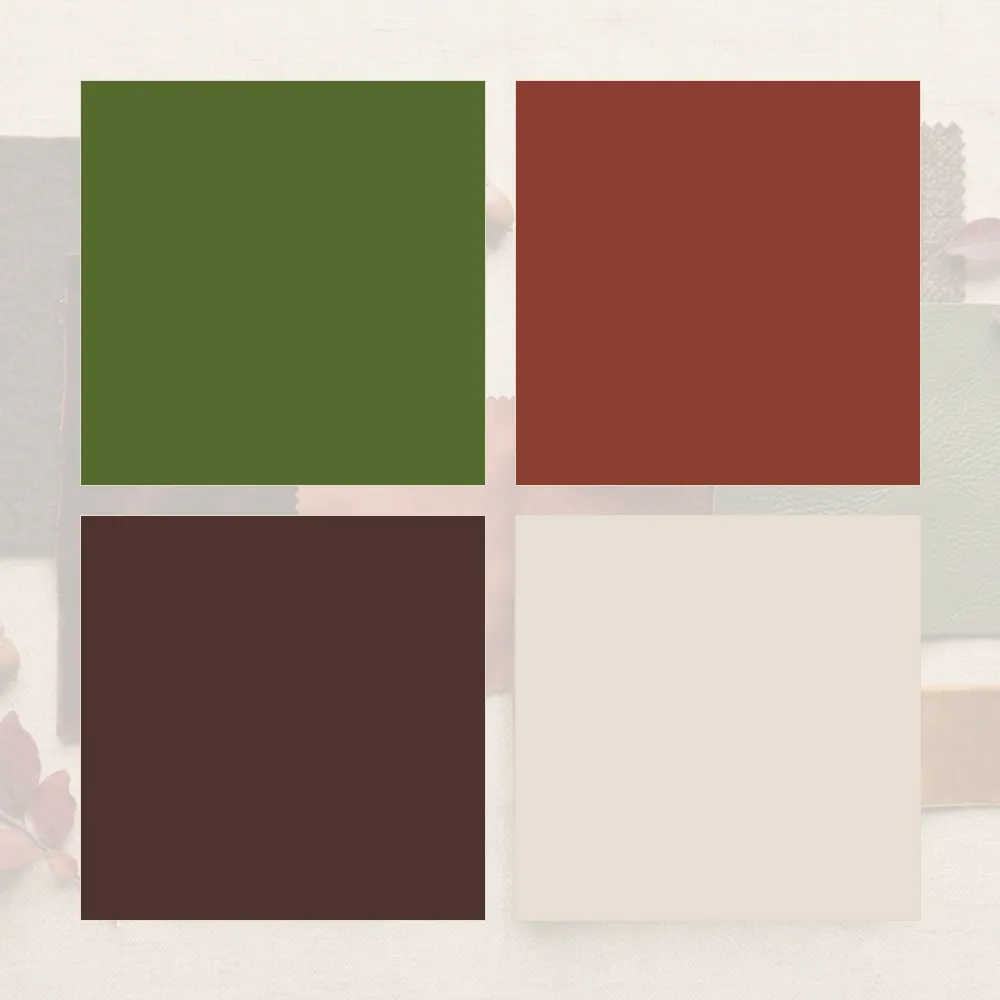
The most striking warm pairing. A rust scarf or knit against olive is rich and autumnal.

5. Black

Sharper and more modern. Olive with black works well in tailoring and edgier outfits.

6. Denim Blue

An olive utility jacket with blue jeans is one of the most reliable casual outfits there is.

7. Burgundy

Deep and rich. A burgundy bag or shoe is an excellent accent against olive.

8. Mustard

Warm and bold. Use in small doses — a scarf or a knit — rather than equal parts.

9. Blush Pink

The unexpected one. A soft pink top with olive trousers softens the green and looks fresh rather than earthy.

ColourMoodEasiest way to wear it
CreamCalmCream knit, olive trousers
NavyClassicOlive jacket, navy trousers
CamelWarm, tonalOlive knit, camel coat
RustRichRust scarf with olive
BlackSharpOlive shirt, black trousers
DenimCasualOlive jacket, blue jeans
BurgundyDeepBurgundy bag or shoe
MustardBoldMustard scarf, small dose
Blush pinkFreshPink top, olive trousers
Olive trousers with a cream knit and tan loafers. An olive jacket with navy trousers and white trainers. An olive knit with a rust scarf and brown ankle boots. Olive trousers with a blush pink top and white sandals. Treat olive as a neutral in the main pieces — trousers, a jacket, a coat — and add one accent colour. It is at its best as the calm base of an outfit rather than the focal point.

Who Olive Suits Best

Olive sits most naturally with warm and olive undertones, and with the autumn seasons in particular — Soft Autumn, True Autumn and Deep Autumn all include olive or its close relatives. Cooler colourings can still wear it, especially away from the face in trousers or a bag, or in a slightly greyer khaki.

Find out with the undertone test and the colour analysis quiz. The Deep Autumn palette uses olive as a core colour.

If olive near your face makes you look tired, keep it for trousers, jackets worn open, and bags. The combinations above still work.

Olive in a Capsule Wardrobe

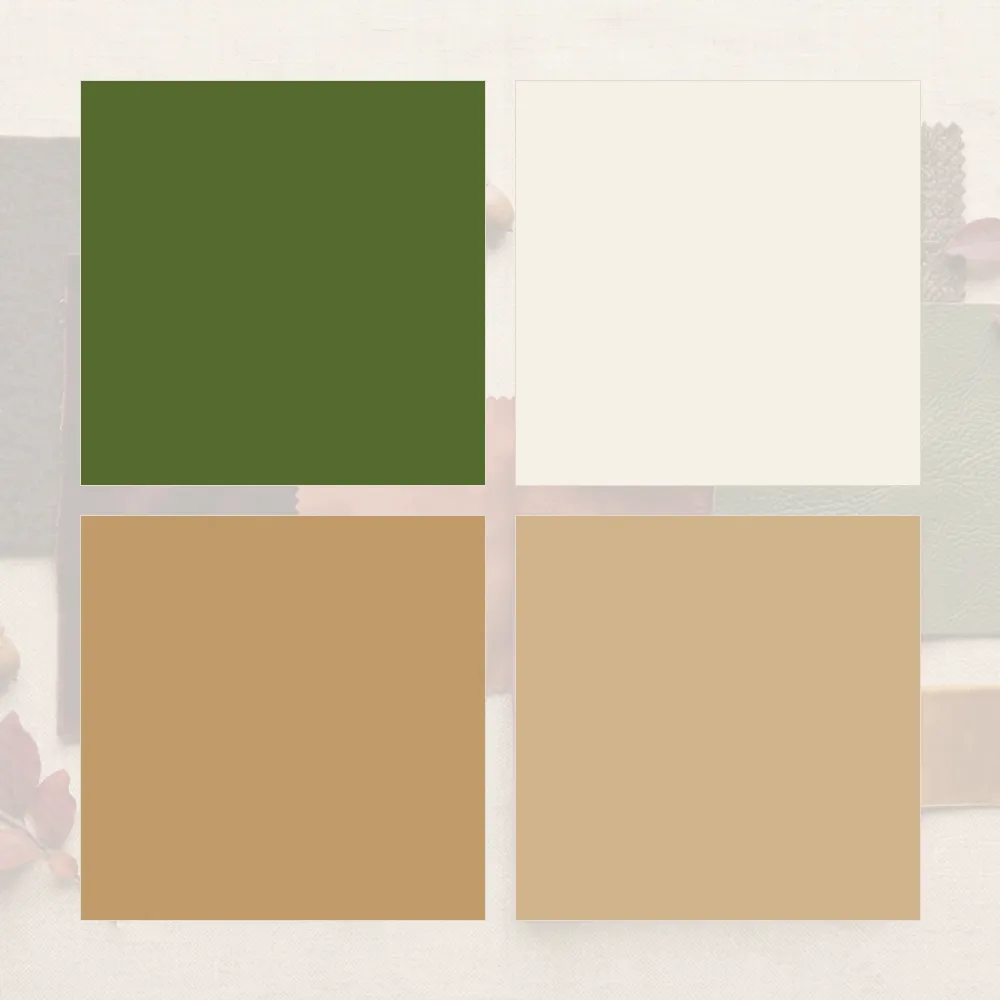
Because it pairs with so much, olive is one of the best colours to add to a neutral wardrobe. An olive jacket or trouser adds variety without breaking the palette. The personal colour palette generator shows whether olive is in your palette, and building a wardrobe from your colour palette explains where it fits. For its close companion, see what goes with brown, and for shopping, how to shop with a colour palette. Olive is also a favourite in Copenhagen style.

Frequently Asked Questions

What colour goes best with olive green?

Cream, navy, camel and rust are the easiest and most reliable pairings.

Does olive green go with black?

Yes. It makes a sharper, more modern combination, especially in tailoring.

Does olive go with navy?

Yes — two dark neutrals that make a classic, understated pairing.

Can I wear olive with pink?

Yes. Soft blush pink with olive is unexpected and fresh.

Who does olive green suit?

Warm and olive undertones, and the autumn seasons especially. Cooler colourings can wear it away from the face.

For background, see olive (colour) and how colours relate on the colour wheel.

Building a Wardrobe From Your Colour Palette, Step by Step

A colour palette is only useful once it changes what you buy. Building a wardrobe from your colour palette means deciding which of your colours carry the wardrobe, which add variety, and which are used sparingly — and then buying in that order. Done well, it is the single change that makes a small wardrobe produce the most outfits.

This guide covers how to structure a palette, the proportions that work, and a step-by-step way to build or rebuild a wardrobe around it. More in our Colour Analysis section.

Build the wardrobe in three layers: neutrals for most of it, main colours for variety, accents in small doses. Buy the neutrals first, and every later piece will work with what you already own.

Start With Your Palette

If you do not have one yet, start with your colour season, then turn it into a working palette. The palette generator gives 24 swatches split into neutrals, main colours, accents and metals — exactly the structure this guide uses.

Do not know your season? Take the colour analysis quiz first, or start with the undertone test. The best colours for your season shows all twelve palettes side by side.

The Three Layers of a Palette Wardrobe

Neutrals — Most of the Wardrobe

Two or three neutrals from your palette form the base: coats, trousers, most knits, shoes and bags. Because they all work together, they make repetition invisible. See the best whites and neutrals for each undertone.

Main Colours — Variety

Three or four main colours for tops, knits, dresses and a skirt. These are what make outfits feel different from day to day.

Accents — Small Doses

One or two accent colours for a scarf, a bag, a shoe or jewellery. Accents give an outfit its point of interest.

LayerShare of wardrobeUsed for
NeutralsAbout 60%Coats, trousers, most knits, shoes, bags
Main coloursAbout 30%Tops, knits, dresses, a skirt
AccentsAbout 10%Scarves, bags, jewellery, one statement piece
The 60/30/10 rule: a guide to colour proportion borrowed from interior design — roughly 60% dominant colour, 30% secondary, 10% accent. In a wardrobe it becomes neutrals, main colours and accents. A garment rail with a random mix of unrelated colours. The same rail with a coherent palette of camel, cream, navy, grey, rust and olive.

Step by Step

  1. Audit. Lay out what you own and sort it into palette neutrals, palette colours, and pieces outside the palette.
  2. Keep what works. Pieces in your palette stay. Pieces outside it that you love and wear stay too — the palette is a guide, not a purge.
  3. Fill the neutral gaps first. A coat, trousers and shoes in your neutrals make everything else wearable.
  4. Add main colours. Two or three tops and knits, then a dress.
  5. Add accents last. A scarf and a bag do the most for the least money.
Do not throw away everything outside your palette. Pieces you wear and love are working. Use the palette to guide what you buy next, not to empty your wardrobe. Colours near your face matter most. A coat, a scarf and a top should come from your palette; trousers and shoes are further away and can be any neutral that works with the rest.

Making Colours Work Together

A palette tells you which colours suit you; it does not tell you which combinations work in an outfit. The outfit colour combination generator does, and it can filter its combinations by your season.

For two colours that are easy to build around, see what goes with olive green and what goes with brown. When you are out shopping, how to shop with a colour palette covers the practical side.

From Palette to Capsule

A palette and a capsule wardrobe work best together: the palette decides the colours, the capsule decides the number and type of pieces. The capsule wardrobe builder puts your palette across the top of its checklist. For the pieces themselves, see the ten pieces European wardrobes are built on and the year-round capsule wardrobe checklist.

Frequently Asked Questions

How do I build a wardrobe from my colour palette?

Use neutrals for most of the wardrobe, main colours for variety and accents in small doses. Buy the neutrals first so every later piece works with them.

How many colours should a wardrobe have?

Two or three neutrals, three or four main colours and one or two accents is enough for a wardrobe where almost everything combines.

Should I get rid of clothes outside my palette?

No. Keep what you love and wear. Use the palette to guide future purchases.

What is the 60/30/10 rule for clothes?

Roughly 60% neutrals, 30% main colours and 10% accents — a proportion that keeps a wardrobe cohesive while leaving room for variety.

Which pieces should be in my palette colours?

Those worn closest to the face — tops, scarves, coats. Trousers and shoes can be any neutral that works with the rest.

For the colour theory behind palettes, see the Munsell colour system, and for the history of the seasonal approach, colour analysis.

Haircuts by Face Shape: Length, Layers and Where the Volume Sits

A haircut changes the shape that frames the face more than any accessory can, which is why choosing haircuts by face shape is worth a few minutes before an appointment. The principles are the same as for glasses and earrings: contrast, and attention to where width and length sit. The tools are different: length, layers, a fringe, and where the volume is placed.

This guide applies those principles to the six face shapes. It is about proportion, not about changing how a face looks, and your hair’s texture and your stylist’s judgement matter as much as any table. More in our Body Shape Styling section.

Place volume where the face is narrowest and length where it adds contrast. Longer faces suit fringes and volume at the sides; rounder faces suit length past the chin and height at the crown.

If you are not sure of your face shape, the detector works from four measurements, a short quiz, or a photo processed on your device.

Four Tools a Haircut Uses

Length

Where the hair ends sets a horizontal line. Length at the chin emphasises the jaw; length past the chin draws the eye downward.

Layers

Layers add movement and control where volume sits. Layers around the face soften; long layers add movement without width.

Fringe

A fringe shortens the visible length of the face and frames the eyes. Straight, side-swept and curtain fringes each do this differently.

Volume Placement

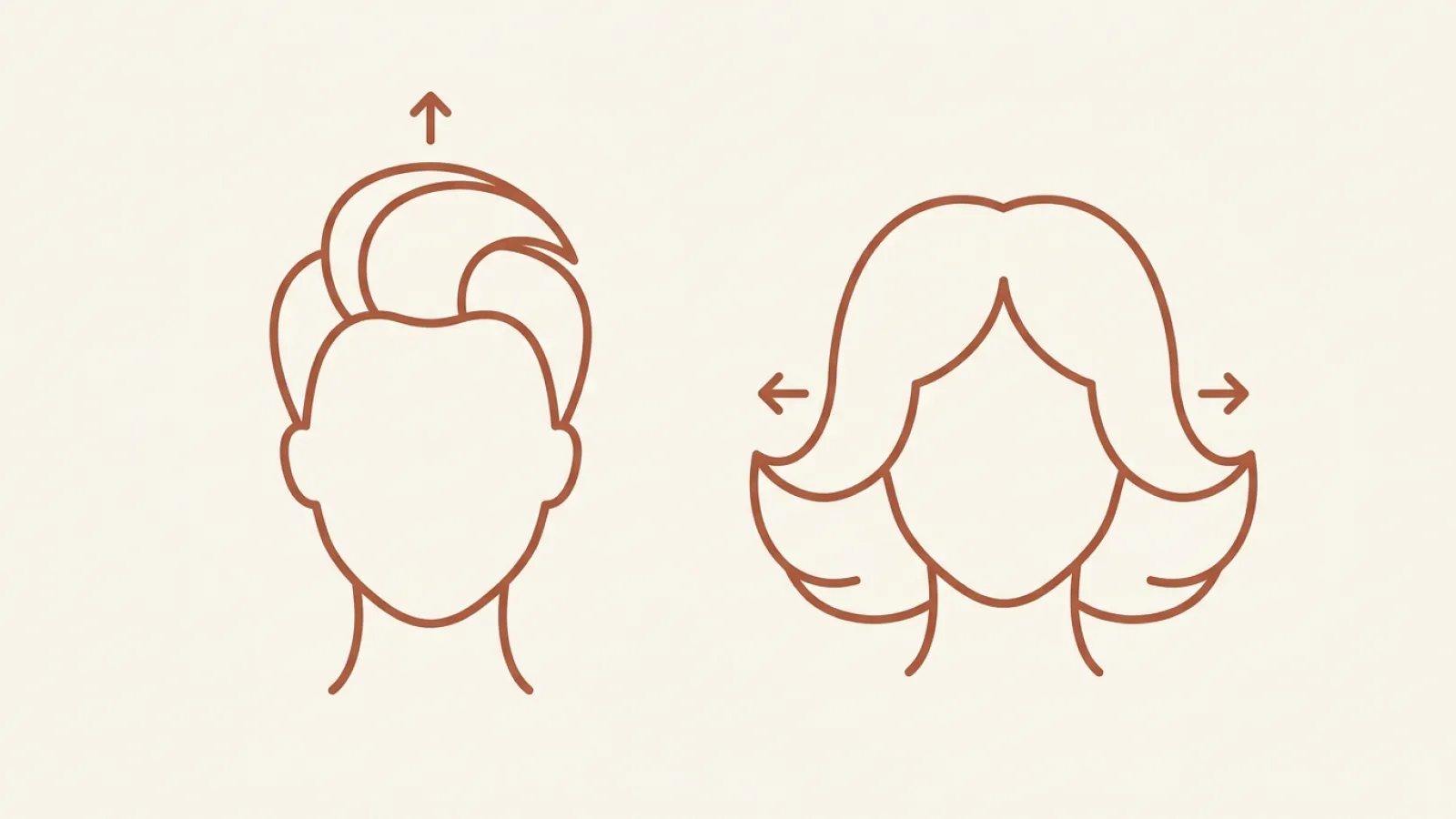
Volume at the crown adds height; volume at the sides adds width. Choosing where it goes is the most powerful adjustment of the four.

Line drawing of two hairstyles: one with volume at the crown, one with volume at the sides.

Haircuts for Each Face Shape

Oval

Most cuts work, from pixie to long. Choose by texture and preference. Read more about the oval face shape.

Round

Length past the chin, height at the crown, and a side part or side-swept fringe add vertical lines. Long layers work well. Read more about the round face shape.

Square

Soft layers, waves and a side part soften a strong jaw. Length past the jaw, or a textured bob that ends just above or below it, works well. Read more about the square face shape.

Heart

Chin-length bobs and volume at the jaw add width where the face is narrowest. Side-swept or curtain fringes suit a wider forehead. Read more about the heart face shape.

Diamond

A fringe adds width at the forehead, and volume at the chin adds width at the jaw, both narrower than the cheekbones. Chin-length cuts work well. Read more about the diamond face shape.

Oblong

A fringe shortens the visible length; volume and waves at the sides add width. Shoulder-length or shorter usually works better than very long and straight. Read more about the oblong face shape.

Face shapeLengthVolumeFringe
OvalAnyAnyAny
RoundPast the chinAt the crownSide-swept
SquarePast or just off the jawSoft, around the faceSoft, side-swept
HeartChin lengthAt the jawSide-swept or curtain
DiamondChin lengthAt forehead and chinFull or side-swept
OblongShoulder or shorterAt the sidesFull or curtain
Hair texture changes everything. Very curly, very fine and very thick hair each behave differently from the same cut, so bring these principles to a stylist rather than treating them as instructions. Take this table, and a photo of the proportion you like rather than a specific celebrity cut, to your appointment. It gives the stylist the idea without asking them to copy someone with different hair.

Colour as Well as Cut

A new colour can shift which clothing colours suit you as much as a new cut shifts your proportions. Read hair colour by colour season before a big change, and retake the colour analysis quiz afterwards.

With Glasses, Earrings and Hats

Your haircut, glasses, earrings and hats all frame the face together, and a change in one can change what works in the others. See glasses for your face shape, earrings by face shape and the best hats for your face shape. For the rest of your look, the personal style quiz helps keep it consistent.

Frequently Asked Questions

How do I choose a haircut for my face shape?

Place volume where the face is narrowest and choose a length that adds contrast. Then adjust for your hair’s texture with your stylist.

What haircut suits a round face?

Length past the chin, height at the crown and a side part or side-swept fringe.

What haircut suits an oblong face?

A fringe to shorten the visible length and volume at the sides, usually shoulder-length or shorter.

Do fringes suit every face shape?

Most shapes can wear some kind of fringe. Side-swept and curtain fringes are the most adaptable.

Does hair texture change what suits me?

Yes, a great deal. The same cut behaves very differently in curly, fine and thick hair, so discuss it with a stylist.

For background, see hairstyle and fringe.

Earrings by Face Shape: Which Styles Work and Why

Earrings sit at the jaw, which makes them one of the most effective ways to change how an outfit frames the face. Choosing earrings by face shape follows the same principle as glasses and hats — contrast — applied to three details: how long the earring is, how wide it is, and whether its shape is curved or angular.

This guide applies that principle to the six face shapes. It is about proportion, not about changing how a face looks, and preference always outranks the table. More in our Body Shape Styling section.

Contrast the face: longer, linear earrings suit rounder faces; rounded and wider earrings suit angular and longer faces. Studs work on everyone.

If you are not sure of your face shape, the detector works from measurements, a quiz, or an on-device photo.

Three Details That Decide It

Length

A long drop adds a vertical line; a stud or short hoop keeps things compact. Longer faces tend to suit shorter earrings, and shorter faces longer ones.

Width

Wide earrings — large hoops, chandeliers, clusters — add width at the jaw. They work best where the jaw is narrower than the forehead or cheekbones.

Shape

Curved earrings soften angular features; angular or linear earrings add definition to softly curved ones.

Earrings for Each Face Shape

Oval

Almost every style works. This is the shape where personal style decides most. Read more about the oval face shape.

Round

Long, linear drops and angular shapes add a vertical line and some definition. Rectangular and geometric drops work particularly well. Read more about the round face shape.

Square

Rounded shapes — hoops, circles, soft teardrops — sit well against a strong jaw. Medium to long lengths work well. Read more about the square face shape.

Heart

Earrings wider at the bottom than the top — teardrops, chandeliers, triangular drops — add width at the jaw, where the heart shape is narrowest. Read more about the heart face shape.

Diamond

Studs, teardrops and earrings with fullness at the bottom work well with prominent cheekbones. Read more about the diamond face shape.

Oblong

Shorter, wider earrings — large studs, clusters, wide hoops — add width rather than length. Read more about the oblong face shape.

Face shapeWorks especially wellLength
OvalAlmost anyAny
RoundLinear and geometric dropsLong
SquareHoops, circles, soft teardropsMedium to long
HeartTeardrops, chandeliersMedium
DiamondStuds, teardropsShort to medium
OblongLarge studs, clusters, wide hoopsShort
Long linear gold bar drop earrings on linen. Large round gold hoop earrings on linen. Gold teardrop earrings on linen. Small gold cluster stud earrings on linen. These are tendencies, not rules. Studs suit every face shape, and an earring you love is worth wearing whatever the table says.

Beyond Face Shape

Hair

Short hair and hair worn up show more of the earring and suit bolder styles; long hair worn down can hide small earrings and suits drops that hang below it. See haircuts by face shape.

Neckline

A high neckline suits studs or short earrings; an open neckline leaves room for longer drops.

Glasses

Bold frames and bold earrings compete. If you wear strong frames daily, simpler earrings often work better. See glasses for your face shape.

Gold, Silver and Colour

The metal matters as much as the shape. Warm undertones often suit gold, cool undertones silver, and neutral and olive both. The undertone test gives a quick answer, and gold or silver for your undertone explains why. For stone colours, the colour analysis quiz helps choose shades that sit well against your colouring.

For everyday wear, one pair of small hoops or studs in your best metal covers most outfits. Add one statement pair for evenings.

When you are ready to buy, see European jewellery brands worth knowing, which also explains vermeil versus plated. For the rest of the accessories that frame the face, the best hats for your face shape.

Frequently Asked Questions

How do I choose earrings for my face shape?

Contrast the face: longer, linear earrings for rounder faces, rounded and wider earrings for angular and longer faces. Studs work on everyone.

What earrings suit a round face?

Long, linear or geometric drops that add a vertical line.

What earrings suit an oblong face?

Shorter, wider styles — large studs, clusters and wide hoops.

What earrings suit a heart-shaped face?

Earrings wider at the bottom, such as teardrops and chandeliers, which add width at the jaw.

Do hoops suit every face shape?

Small hoops suit almost everyone. Large hoops work especially well on square and oblong faces.

For background on the styles, see earring, and on the metals, coloured gold.

Glasses for Your Face Shape: How to Choose Frames That Work

Glasses sit on the most-seen part of the face, every day, so choosing a frame is one of the more consequential accessory decisions. Picking glasses for your face shape comes down to a simple principle — contrast — plus two practical details: how wide the frame is, and where its top edge sits against your brows.

This guide covers those principles and applies them to each of the six face shapes. It is about proportion, not about changing how a face looks. More in our Body Shape Styling section.

Choose a frame shape that contrasts with your face shape — angular frames for rounder faces, rounded frames for angular ones — and a frame about as wide as the widest part of your face.

This guide is organised by face shape. The detector works from four measurements, a short quiz, or a photo that is processed on your device and never uploaded.

Three Principles for Choosing Frames

Contrast

Frames that repeat the face’s shape emphasise it; frames that contrast with it add definition. Angular frames give structure to a softly curved face; rounded frames soften a strongly angled one.

Width

A frame roughly as wide as the widest part of the face looks in proportion. Much narrower looks small; much wider can overwhelm.

Brow Line

The top of the frame ideally follows or sits just below the natural line of the eyebrows. Frames that sit well above the brows or cut across the middle of the eye look less settled.

Glasses for Each Face Shape

Oval

Balanced proportions mean most frames work — this is the shape where style decides more than proportion. Keep the width in line with the face. Read more about the oval face shape.

Round

Angular frames — rectangular, square, geometric — add definition. A frame slightly wider than it is deep works well. Read more about the round face shape.

Square

Rounded and oval frames soften a strong jaw and brow. Thinner frames and rimless styles also work well. Read more about the square face shape.

Heart

Wider at the forehead, narrower at the chin. Frames with more weight or detail on the lower half, or light rimless and wire frames, work well. Read more about the heart face shape.

Diamond

Widest at the cheekbones. Cat-eye, oval and browline frames — with detail at the top — work well with the cheekbones. Read more about the diamond face shape.

Oblong

Longer than it is wide. Deeper frames, with more height top to bottom, and frames with decorative or contrasting temples work well. Read more about the oblong face shape.

Face shapeFrame shapes that work wellDetail to look for
OvalAlmost anyWidth in line with the face
RoundRectangular, square, geometricSlightly wider than deep
SquareRound, oval, rimlessThinner frames
HeartBottom-weighted, rimless, wireLighter top edge
DiamondCat-eye, oval, browlineDetail at the top
OblongDeep frames, decorative templesMore height
Rectangular black acetate glasses frames. Round tortoiseshell glasses frames. Cat-eye tortoiseshell glasses frames. Deep square clear acetate glasses frames. These are tendencies, not rules. If you love a frame that the table does not suggest, try it — style and confidence count for as much as proportion.

Colour Matters Too

Frame colour sits right next to your skin and eyes. Warm undertones often suit tortoiseshell, gold, honey and warm browns; cool undertones suit black, silver, grey and cool tortoiseshell; neutral and olive can wear most. The undertone test helps, and gold or silver for your undertone covers metal frames.

Take a photo of yourself in each frame you are considering, in daylight. Frames look very different in a mirror in a shop than in a photo, and the photo is closer to how others see you.

With Hats, Earrings and Hair

Glasses, hats, earrings and your haircut all frame the face together. If you wear glasses every day, choose the other three with them in mind. See earrings by face shape, the best hats for your face shape and haircuts by face shape. For colours near the face generally, the colour analysis quiz gives the full picture.

Frequently Asked Questions

How do I choose glasses for my face shape?

Choose a frame shape that contrasts with your face shape, about as wide as the widest part of your face, with the top edge near your brow line.

What glasses suit a round face?

Angular frames — rectangular, square or geometric — slightly wider than they are deep.

What glasses suit a square face?

Rounded and oval frames, thinner frames and rimless styles.

What glasses suit an oblong face?

Deeper frames with more height, and frames with decorative or contrasting temples.

What colour frames should I choose?

Warm undertones often suit tortoiseshell and gold; cool undertones suit black, silver and grey. Neutral and olive can wear most.

For background on frame styles, see glasses, and on how face proportions are described, facial symmetry.

The Best Hats for Your Face Shape, and Why They Work

Hats are the accessory people most often say they “cannot wear”, and it is almost never true. What usually happened is that they tried one hat whose proportions did not work with their face and concluded the whole category was not for them. Choosing the best hats for your face shape comes down to three details: how wide the brim is, how tall the crown is, and whether the hat sits straight or at an angle.

This guide sets out those details for each of the six face shapes. It is about proportion, not about changing how a face looks. More in our Body Shape Styling section.

Choose a brim roughly as wide as your cheekbones or wider, and a crown height that contrasts with your face length. Longer faces suit lower crowns and wider brims; shorter faces suit taller crowns.

This guide is organised by face shape. If you are not sure of yours, the detector works from four measurements, a short quiz, or a photo that never leaves your device.

The Three Details That Decide It

Brim Width

A brim narrower than the widest part of the face tends to make the hat look small; one at least as wide as the cheekbones looks in proportion. Wide brims suit most faces better than people expect.

Crown Height

The crown is the part of the hat above the band. A tall crown adds height; a low crown keeps things compact. The useful rule is contrast — a longer face suits a lower crown, a shorter face a taller one.

Angle

A hat worn straight emphasises symmetry; a hat tilted slightly adds a diagonal line. Tilting is one of the simplest ways to make a hat work on a face it would not suit worn straight.

The Best Hats for Each Face Shape

Oval

Balanced length and width, so almost every style works. Fedoras, wide brims, berets and beanies all sit well. This is the shape where personal style decides more than proportion. Read more about the oval face shape.

Round

Width and length close to equal, with soft curves. A taller crown and a structured, angular hat — a fedora or a trilby — adds height and definition. Wearing it tilted works particularly well. Read more about the round face shape.

Square

A strong jaw and similar width at forehead and jaw. Soft, rounded shapes sit well against the angles: a floppy wide brim, a beret, a cloche, a slouchy beanie. Read more about the square face shape.

Heart

Wider at the forehead, narrowing to the chin. A medium brim works well, as do cloches and berets worn slightly back. Very wide brims can feel heavy against a narrow chin, though worn tilted they often work. Read more about the heart face shape.

Diamond

Widest at the cheekbones, narrower at forehead and chin. A hat with some width at the crown — a fedora, a beret worn slightly forward — works well with the cheekbones. Read more about the diamond face shape.

Oblong

Longer than it is wide. A low crown and a wide brim keep the proportion, and a hat worn a little lower on the forehead works well. Cloches, wide-brim sun hats and berets suit this shape; very tall crowns less so. Read more about the oblong face shape.

Face shapeCrownBrimStyles that work well
OvalAnyAnyAlmost everything
RoundTallerMedium, structuredFedora, trilby, worn tilted
SquareRoundedSoft, wideFloppy brim, beret, cloche
HeartMediumMediumCloche, beret, medium brim
DiamondWiderMedium to wideFedora, beret worn forward
OblongLowWideCloche, wide brim, beret
A camel wool felt fedora on a wooden hat stand. A black wool beret on a wooden hat stand. A natural straw wide-brim sun hat on a wooden hat stand. A charcoal felt cloche on a wooden hat stand. These are tendencies, not rules. Face shape is one input; how you wear the hat, your hair and your personal style matter as much. If you love a hat, it is worth trying at an angle before deciding it does not suit you.

Beyond Face Shape

Hair

Long hair worn down adds width below the hat; hair tucked up changes the proportion entirely. Try a hat with your hair the way you usually wear it. If you are changing your cut, haircuts by face shape uses the same principles.

Your Height and Frame

A very wide brim can overwhelm a small frame; a tiny hat can look lost on a tall one. Scale the hat to your whole body, not just your face.

Glasses and Earrings

Hats, glasses and earrings all frame the face, so they work best chosen together. See glasses for your face shape and earrings by face shape.

Getting the Size Right

A hat in the right style and the wrong size never looks right. Measure your head and convert it into every sizing system before ordering.

Read how to measure hat size, hat types and sizing and how a hat should fit. Once you have a good felt hat, how to store and care for a felt hat keeps it in shape. For colour, the colour analysis quiz helps choose shades that sit well close to your face, and for the rest of your winter wardrobe, winter accessories worth investing in.

Frequently Asked Questions

How do I choose a hat for my face shape?

Look at brim width, crown height and angle. A brim at least as wide as your cheekbones, and a crown height that contrasts with your face length, usually works.

What hat suits a round face?

A taller crown and a structured shape such as a fedora or trilby, often worn slightly tilted.

What hat suits an oblong face?

A low crown and a wide brim — cloches, wide-brim sun hats and berets all work well.

Can anyone wear a fedora?

Most people can, with the right brim width and angle. Oval, round and diamond faces tend to suit it most easily.

Why do hats never suit me?

Usually one hat’s proportions did not work. Try a different brim width or crown height, or wear the same hat tilted.

For background on the styles, see the fedora and the cloche hat.