How to Care for Leather Gloves: Cleaning, Drying and Storing

Good leather gloves can last ten winters or more, and the difference between a pair that does and one that cracks after two seasons is almost entirely care. Knowing how to care for leather gloves takes a few minutes a season — the most important part is simply what you do when they get wet.

This guide covers everyday care, cleaning, conditioning, drying after rain and storage, with a note on suede. More in our European Style guides.

Let wet gloves dry naturally, flat and away from heat, then condition them. Store them flat in a breathable bag. Heat and neglect crack leather far faster than wear does.

Everyday Care

Take gloves off by pulling gently at each fingertip in turn, rather than tugging at the cuff, which stretches the wrist. Smooth them flat when you take them off so they do not dry in a crumpled shape.

Keep them away from hand cream and perfume until your hands are dry — oils and alcohol mark leather.

Cleaning

For everyday dirt, wipe the gloves with a soft, slightly damp cloth, then let them dry naturally. For marks, a small amount of leather cleaner on a cloth works on most smooth leathers; test it on the inside of the cuff first.

Some leather gloves are labelled washable. Follow the label exactly if so; if not, do not wash them.

Do not put leather gloves in the washing machine unless the label says they are washable. Water and agitation can shrink, stiffen and discolour them permanently.

Conditioning

Leather is a skin, and it dries out over time. Conditioning once or twice a season — and after any time the gloves get wet — keeps it soft and stops it cracking. Use a small amount of leather conditioner on a soft cloth, work it in gently, and wipe off any excess.
A dry, dull brown leather glove with creases at the knuckles. The same leather glove after conditioning, supple with a soft sheen. Condition gloves at the start of winter and again when you put them away in spring. It takes five minutes and doubles how long they last.

Drying After Rain

  1. Blot off surface water gently with a towel.
  2. Reshape the gloves by hand, fingers straight.
  3. Lay them flat on a towel, away from radiators, fires and direct sun.
  4. Let them dry completely, which can take a day.
  5. Once dry, flex the fingers gently and apply conditioner.
Never dry leather gloves on a radiator or with a hairdryer. The leather shrinks and hardens, and that damage cannot be reversed.

Suede Gloves

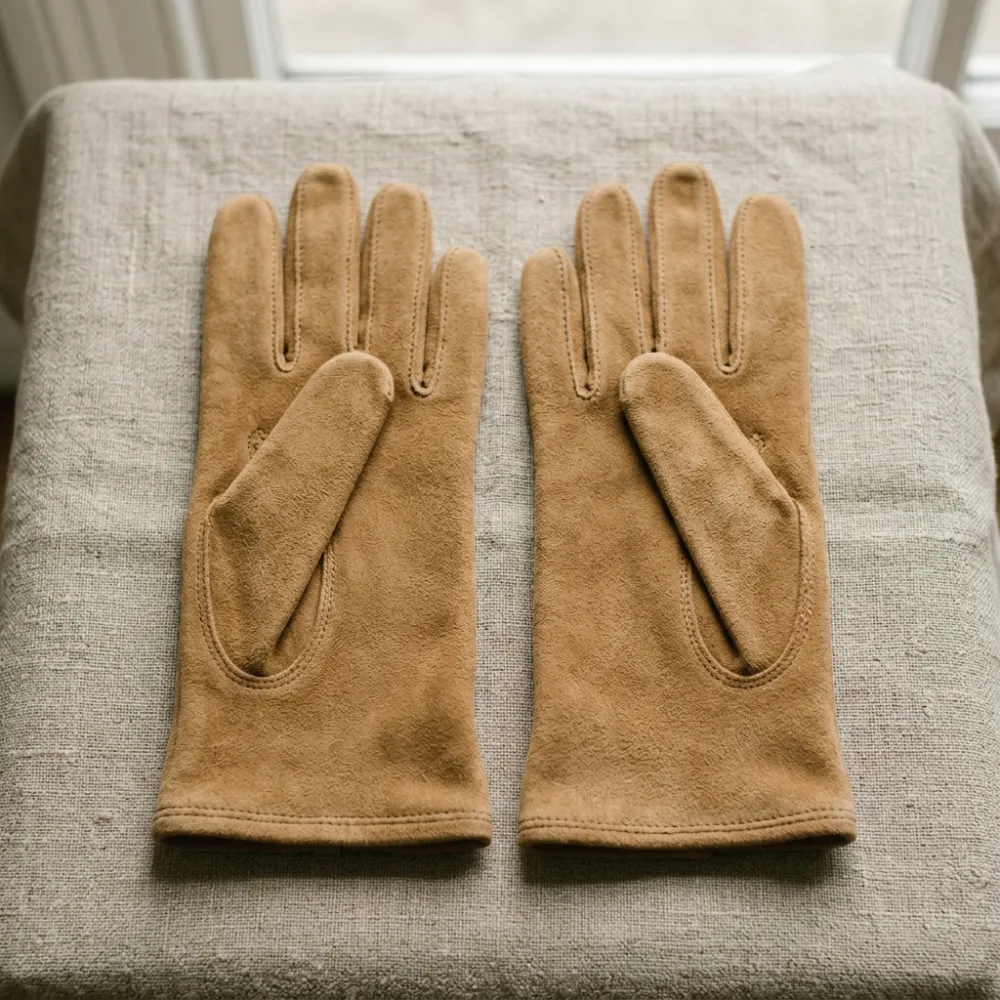
Suede needs different care. Use a suede brush to lift the nap and remove dirt, and a suede eraser for marks. Avoid liquid conditioner, which flattens and darkens suede; use a protective spray made for suede instead. Keep suede out of heavy rain where you can.

Storage

  • Clean and condition before storing for the summer
  • Store flat, not rolled or folded tightly
  • Use a breathable cotton bag, never plastic
  • Keep them somewhere cool and dry, out of sunlight
  • Keep pairs together so they are not stretched by other items

Fit Matters for Care Too

A glove that is too tight strains the seams every time you put it on; one too loose creases badly. Leather also stretches slightly to the hand with wear, so a good pair should feel snug when new. The glove size calculator works from a hand measurement, and how a glove should fit explains the snug-at-first rule.

For the styles and how they are sized, see glove types and sizing. Leather gloves are one of the winter accessories worth investing in, and worn most days for years their cost per wear is very low — the cost per wear calculator shows it. The same care principles apply to shoes: see how French women buy shoes. And for a trip, what to wear in Europe in winter.

Frequently Asked Questions

How do I clean leather gloves?

Wipe them with a soft, slightly damp cloth, and use a small amount of leather cleaner on marks, testing inside the cuff first. Do not machine-wash them unless the label says so.

How do I dry wet leather gloves?

Blot off the water, reshape them, and lay them flat to dry naturally away from heat. Condition them once dry.

How often should I condition leather gloves?

Once or twice a season, and after any time they get wet.

How do I store leather gloves?

Clean and condition them, then store them flat in a breathable cotton bag somewhere cool and dry.

How do I care for suede gloves?

Brush them with a suede brush, use a suede eraser for marks, and protect them with a suede spray. Avoid liquid conditioner.
For background on the material, see leather and suede.

Winter Accessories Worth Investing In, and What to Skip

Winter accessories are where spending more usually pays off, because they are worn every day for months and sit close to the face or hands where quality shows. But not all of them. Knowing which winter accessories are worth investing in — and which are fine at any price — is the difference between a winter wardrobe that lasts a decade and one that is replaced every year.

This guide covers six worth spending on, what to look for in each, and where cheaper works just as well. More in our European Style guides.

Spend on the accessories worn most and seen most: leather gloves, a wool or cashmere scarf, leather boots and a good bag. Save on the ones that get lost or wear out quickly, such as knit hats and umbrellas.

Six Winter Accessories Worth Investing In

1. Leather Gloves

Why: worn every cold day, and good leather lasts many winters.

What to look for: soft, supple leather; a lining suited to your climate; a snug fit when new, since leather stretches slightly. Measure first with the glove size calculator, and read how to care for leather gloves.

2. A Wool or Cashmere Scarf

Why: worn close to the face all winter, so quality and colour both show.

What to look for: a natural fibre, a generous length, and a colour from your palette — this is where an accent colour does the most work for the least money.

3. Leather Ankle Boots

Why: worn most days from autumn to spring, and a well-made pair can be resoled for years.

What to look for: a walkable heel, a sole that can be replaced, and a waterproofing treatment. See how French women buy shoes.

4. A Felt Hat

Why: a good felt hat lasts decades with care and finishes a winter coat.

What to look for: the right size above all — measure with the hat size calculator — and a style that suits your face shape. See the best hats for your face shape and how to care for a felt hat.

5. A Structured Bag

Why: carried every day, all year, and the piece that finishes a coat.

What to look for: a size that holds what you carry, a strap for crossbody and shoulder wear, and leather that ages well.

6. A Wool Coat

Why: strictly clothing rather than an accessory, but it is the piece every other item on this list is worn with.

What to look for: a shoulder that fits and a high wool content. The fit rules are the same as for a trench coat.

A camel cashmere scarf, brown leather gloves and the brim of a charcoal felt hat side by side on linen.

Where Cheaper Is Fine

  • Knit beanies — easily lost, and a cheap one looks much like an expensive one
  • Umbrellas — they break, get left on trains, and rarely last
  • Touchscreen gloves for commuting — useful, but they wear out fast
  • Trend-colour scarves you will not wear next year
  • Tights and thermal layers — replaced regularly regardless of price

Is It Worth the Money?

The test is cost per wear. A pair of leather gloves worn most days for four months a year, for eight years, is worn hundreds of times; even an expensive pair works out at very little each time. A cheap pair that cracks after one season often costs more per wear in the end.

Put in the price, any care or repair costs, and a realistic number of wears.

For the full list of pieces worth spending on across the year, read which pieces are worth spending on. If you have a clothing budget to stick to, the clothing budget calculator splits it into replacing, seasonal and investment shares.

Choosing Colours That Last

Invest in neutrals that work with your coat and each other — camel, charcoal, navy, brown, black — and let a scarf carry any accent colour. The personal colour palette generator shows which neutrals and metals suit you, and gold or silver for your undertone covers the hardware on bags and gloves.

Buy the scarf in a colour that suits your face and the gloves and bag in a neutral that suits your coat. The scarf is seen close up; the others are seen from a distance.

Travelling in Winter

Wear the heaviest accessories — boots, coat, hat — rather than packing them; nothing you are wearing counts towards your luggage allowance. See what to wear in Europe in winter and what to wear in Europe month by month, and check the case with the luggage weight calculator.

Frequently Asked Questions

Which winter accessories are worth investing in?

Leather gloves, a wool or cashmere scarf, leather boots, a felt hat and a good bag. They are worn most, seen most and last longest.

Is a cashmere scarf worth it?

Usually, if you wear it most days. It sits close to the face, is soft against the skin, and lasts many winters with care.

Are expensive leather gloves worth it?

Good leather gloves worn most days for several winters have a very low cost per wear, and last far longer than cheap ones.

What winter accessories can I buy cheaply?

Knit beanies, umbrellas, touchscreen gloves and trend-colour scarves — things that get lost, wear out quickly or date fast.

What colour winter accessories should I buy?

Neutrals that work with your coat for gloves, boots and bags, and a colour that suits your face for the scarf.

For background on the fibres, see cashmere and leather.

What to Wear in Europe in Winter: A Warm, Light Packing List

A European winter asks a wardrobe to do two opposite things: keep you warm outdoors, often in rain or snow, and let you cool down quickly the moment you step into an overheated museum, café or train. Knowing what to wear in Europe in winter is mostly a matter of layering — thin, warm pieces that come off easily — rather than one heavy outfit.

This guide covers the layering system, the pieces to pack, the difference between the north and the south, and how to keep the case light. More in our Europe Travel Fashion guides.

Dress in thin layers under a warm, waterproof-ish coat. Wear waterproof boots, and never skip gloves, a scarf and a hat. Layers you can remove matter more than any single warm piece.

How Cold Is a European Winter?

It depends heavily on where you are. Northern and central cities — London, Amsterdam, Berlin, Prague, Vienna, Copenhagen — are cold from December to February, with short days and frequent rain, sleet or snow. Southern cities such as Rome, Lisbon and Madrid are milder, but evenings are cold and houses and older buildings can feel chilly.

The month-by-month picture is in what to wear in Europe month by month. Always check the forecast for your destination before packing.

The Layering System

Base Layer

A thin, warm layer against the skin — merino or a fine thermal top. It keeps heat in without bulk, and merino stays fresh for more than one wear.

Middle Layer

A fine knit or cardigan. This is the layer you remove indoors, so it should look good on its own over the base layer.

Outer Layer

A warm wool coat or a padded coat that blocks wind. It does most of the work outdoors and is the piece seen most.

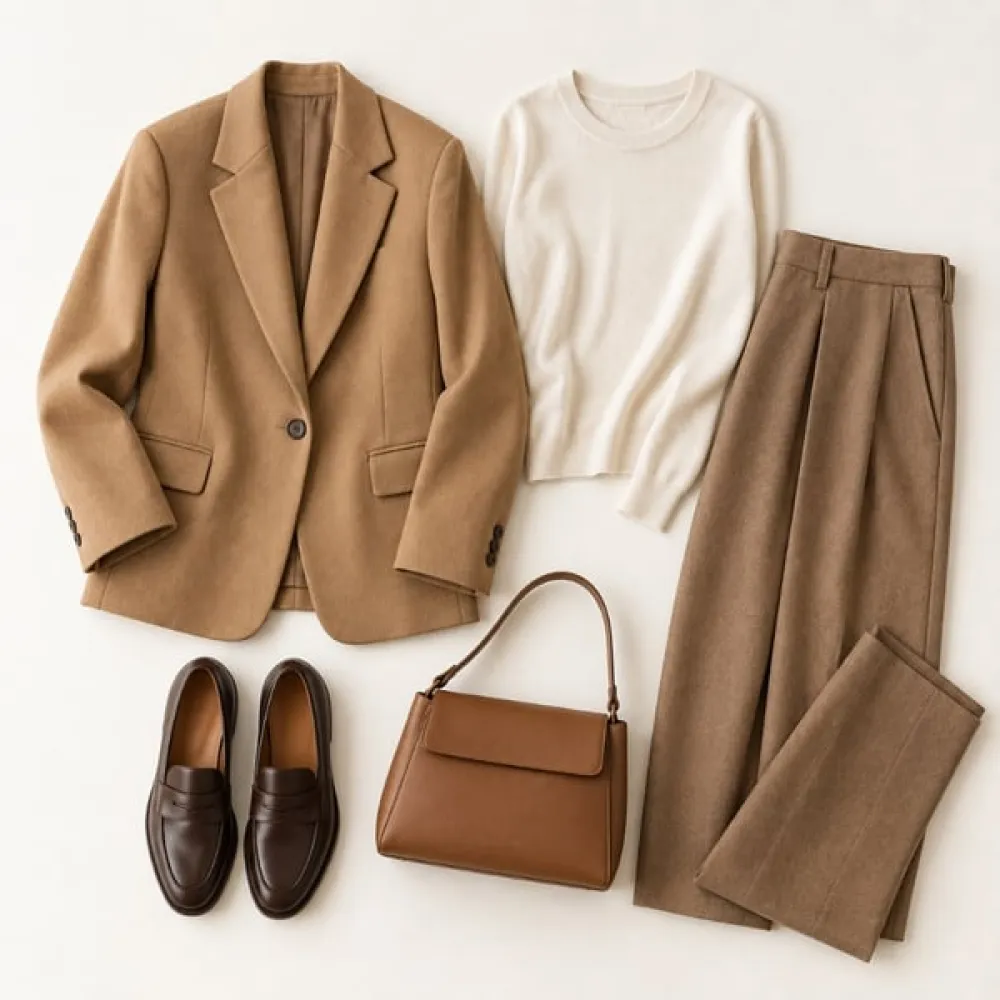
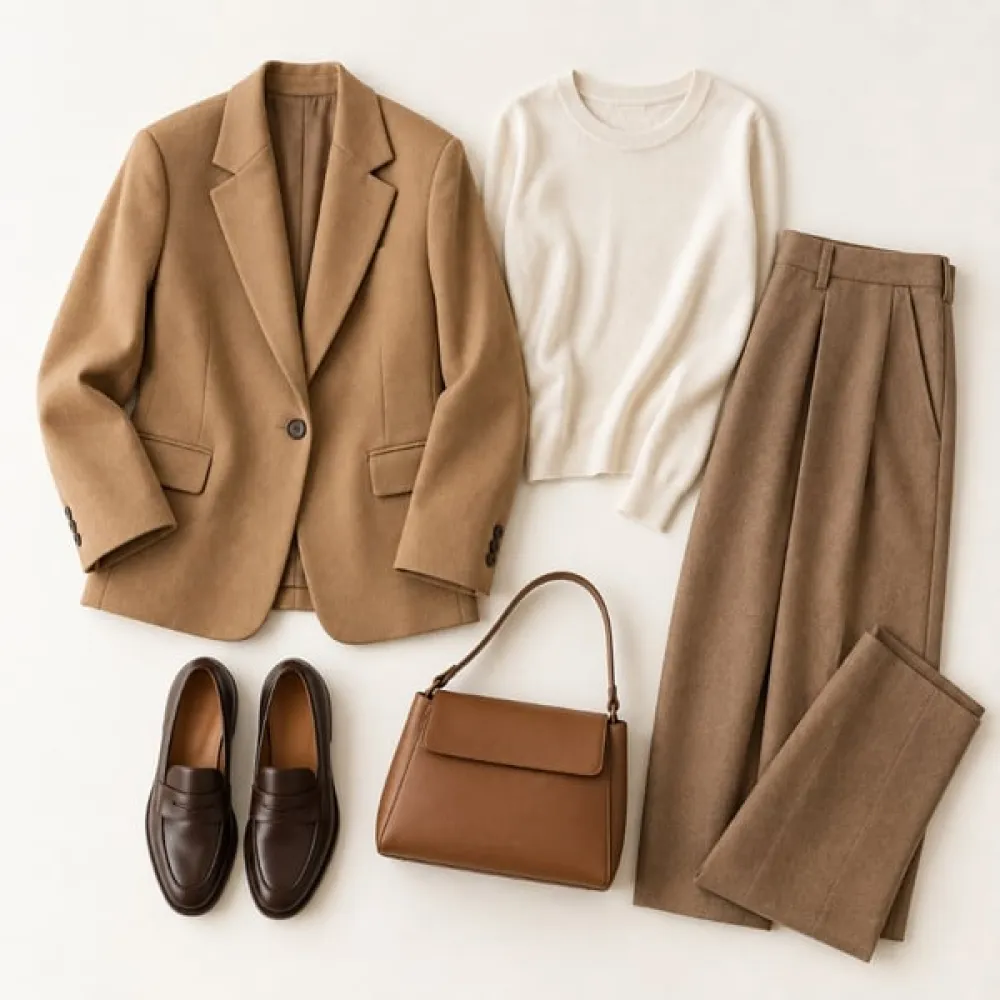
Line drawing of three layers: a thin base top, a fine knit and a long wool coat. Choose a middle layer that looks good on its own. In a European winter you will spend as much time indoors in warm museums and cafés as outdoors, and that is the layer everyone sees.

The Europe Winter Packing List

  • One warm coat, worn on the plane
  • Two thin base layers in merino or thermal fabric
  • Two or three fine knits
  • Two pairs of trousers or jeans
  • One dress with tights, for evenings
  • Waterproof ankle boots, worn on the plane
  • One smarter pair of shoes
  • Leather gloves
  • A wool or cashmere scarf
  • A warm hat
  • Warm socks and tights
  • A compact umbrella

The Coat

The most important piece. A shoulder that fits over a knit, a length at least to the hip, and ideally some wind and rain resistance. The fit rules are the same as for a trench coat.

Boots

Waterproof, with a sole that grips wet stone and a heel you can walk on all day. Treat new leather boots with a waterproofing product before you go — see how French women buy shoes for care.

Gloves, Scarf and Hat

The three smallest items make the biggest difference to warmth. Choose leather gloves that fit snugly — the glove size calculator helps — and a hat in the right size, measured with the hat size calculator. Winter accessories worth investing in covers which to spend on.

Wear the heaviest items — coat and boots — on the plane rather than packing them. Nothing you are wearing counts towards your luggage allowance, and a winter coat and boots can weigh more than everything else in the case.

North Versus South

Northern and centralSouthern
CoatWarm wool or paddedMedium-weight wool or trench
ShoesWaterproof bootsClosed shoes or ankle boots
AccessoriesGloves, scarf and hat essentialScarf, light gloves for evenings
LayersThermal base layer usefulA knit is usually enough

Christmas Markets and Evenings Outside

December’s Christmas markets mean long evenings standing still outdoors, which feels much colder than walking. Add an extra base layer, warm socks and a hat, and keep the gloves on. Standing still is when a European winter catches people out.

Keeping the Case Light

Winter clothes are bulky and heavy. Choose a narrow palette so every knit works with every trouser, and you will need fewer of each. The personal colour palette generator helps set one, and the capsule builder has a cold-climate preset.

Check the weight with the luggage weight calculator — shoes and the case itself are usually heavier than the clothes. For hand luggage only, see how to pack a carry-on for a week in Europe. Once you are there, what should I wear today suggests an outfit from the temperature. For style inspiration from a city that dresses for weather, read Copenhagen style. And to keep leather in good shape after a wet trip, how to care for leather gloves.

Frequently Asked Questions

What should I wear in Europe in winter?

Thin warm layers under a warm coat, waterproof boots, and gloves, a scarf and a hat. Layers you can remove indoors matter more than one heavy outfit.

Do I need snow boots for Europe?

Usually not for cities. Waterproof leather ankle boots with a grippy sole handle rain, sleet and light snow.

How many coats should I pack?

One, worn on the plane. A warm coat that works with everything you pack is enough for most trips.

Is southern Europe warm in winter?

Milder than the north, but not warm. Evenings are cold, and a medium-weight coat and a knit are still needed.

What colours should I pack for winter?

A narrow palette of neutrals — charcoal, navy, camel, black — with one accent colour in a scarf, so everything combines.

For an overview of winter weather across the continent, see the climate of Europe, and for why merino works as a base layer, merino.

How Should a Glove Fit? Five Checks for Leather, Wool and Knit

A glove that fits well is warmer than one that does not, because a snug fit traps warm air close to the hand while a loose one lets it escape. Knowing how a glove should fit matters most for leather, which stretches with wear and should therefore feel slightly snug in the shop.

This guide covers five checks for a good fit, how leather, wool and knit differ, and what to do if you are between sizes. More in our Size Guides section.

A glove should fit snugly across the palm with the fingertips just reaching the ends, and you should be able to make a fist without the leather pulling tight. Leather gloves should feel slightly snug when new, because they stretch to the hand.

Five Checks for a Good Fit

  • Your fingertips reach the ends of the glove fingers without pressing against them
  • It fits snugly across the palm and the back of the hand, without wrinkling
  • You can make a fist comfortably, without the leather straining at the knuckles
  • The thumb reaches its end and moves freely
  • The cuff sits closed around the wrist, with no gap for cold air
Line drawing of a glove with five numbered fit checkpoints: fingertips, palm, knuckles, thumb and cuff.

How Leather, Wool and Knit Differ

MaterialHow it should feel newHow it changes
LeatherSlightly snugStretches and moulds to the hand
SuedeSlightly snugStretches a little, softens
Wool (woven)Comfortably closeLittle change
KnitClose, stretchyCan loosen over time
Lined leatherSnug, allowing for the liningStretches less than unlined
Lining changes the fit. A cashmere or silk lining takes up a little room inside, so a lined glove in your size can feel tighter than an unlined one. Try both if you can.

Signs the Size Is Wrong

Too Small

  • The fingertips press against the ends of the glove
  • You cannot make a fist without strain
  • Seams pull or the leather creases white at the knuckles

Too Big

  • Empty space at the fingertips
  • Wrinkles across the palm and back of the hand
  • The glove twists or slides when you grip something

Between Sizes

For leather, if the smaller size is only slightly snug, it usually becomes the better fit as the leather stretches. If it is genuinely tight — you cannot make a fist — take the larger. For wool and knit, choose by comfort, since they do not mould in the same way. What to do between sizes covers the rule for other garments.

Leather that feels slightly snug in the shop will be comfortable after a week of wear. Leather that feels comfortable in the shop may be loose after a month.

Finding the Right Size

Glove size is based on the circumference of your dominant hand around the knuckles, and sometimes the hand length. The calculator takes both and explains which one decides your size.

For how different styles are sized, see glove types and sizing. Keep a good pair soft with how to care for leather gloves — a pair that is cared for keeps its fit. Leather gloves are one of the winter accessories worth investing in, and worn most days their cost per wear is very low. The same fit logic applies to hats: see how a hat should fit. Travelling in winter? Read what to wear in Europe in winter.

Frequently Asked Questions

How should leather gloves fit?

Slightly snug when new, with the fingertips reaching the ends and room to make a fist. Leather stretches and moulds to the hand with wear.

Do leather gloves stretch?

Yes, a little, and they mould to the shape of your hand. Lined gloves stretch less than unlined ones.

Should gloves be tight or loose?

Snug, not tight. A snug glove keeps warm air close to the hand; a loose one lets it escape.

How do I know if my gloves are too big?

There is empty space at the fingertips, wrinkles across the palm, and the glove twists when you grip.

Should I size up or down in leather gloves?

If the smaller size is only slightly snug, take it — the leather will stretch. If you cannot make a fist, take the larger.

For background on the materials, see leather and the history of the glove.

Glove Types and Sizing: How to Measure and Choose a Pair

Glove sizes look confusing because brands use numbers, letters and centimetres, but they all rest on the same measurement: the circumference of your hand around the knuckles. Understanding glove types and sizing means knowing that number, and knowing how much each material stretches.

This guide covers how to measure, how to convert the number, and how each common type of glove should be sized. More in our Size Guides section.

Measure around your dominant hand at the knuckles, excluding the thumb. The measurement in inches is your glove size. Size leather slightly snug, because it stretches; size knit and wool by comfort.

How to Measure Your Hand

  1. Use your dominant hand — it is usually slightly larger.
  2. Hold the hand flat, fingers together.
  3. Wrap a soft tape around the widest part of the palm, just below the knuckles, leaving out the thumb.
  4. Read the circumference in inches or centimetres.
  5. For a second check, measure the length from the wrist crease to the tip of the middle finger.
Line drawing of an open hand showing where to measure around the palm below the knuckles and from wrist to fingertip. No tape measure? Wrap a strip of paper around the same line, mark where it meets, and measure it flat against a ruler.

Converting Your Measurement

Most traditional glove sizing uses the hand circumference in inches as the size itself, in half-size steps. Where the length measurement is larger than the circumference would suggest, many charts recommend sizing by the larger of the two.

Hand circumferenceIn centimetresGlove size
6 in15.2 cm6
6½ in16.5 cm6½
7 in17.8 cm7
7½ in19.1 cm7½
8 in20.3 cm8
8½ in21.6 cm8½
9 in22.9 cm9
Letter sizes — S, M, L — vary widely between brands and between fashion gloves and sports gloves. When a glove is sold in letters, check the brand’s own chart against your measurement rather than assuming.

The calculator takes both measurements, gives the size in every system, and adjusts its advice for the type of glove you are buying.

Glove Types and How Each Is Sized

Unlined Leather

The closest fit and the most stretch. Buy slightly snug: the leather moulds to the hand within a week or two.

Lined Leather

Cashmere, silk, wool or fleece linings add warmth and take up room inside, so a lined glove can feel smaller than an unlined one in the same size. It also stretches less.

Suede

Softer and slightly more forgiving than smooth leather, with a little stretch. Buy snug.

Wool and Cashmere

Woven wool changes little with wear. Buy for a comfortable close fit.

Knit

Very forgiving, often sold in one size. Knit can loosen over time, so a close fit when new is fine.

Fingerless and Touchscreen

Fingerless gloves usually fit a wide range. Touchscreen gloves need the fingertips to reach the ends, or the conductive tips will not meet the screen.

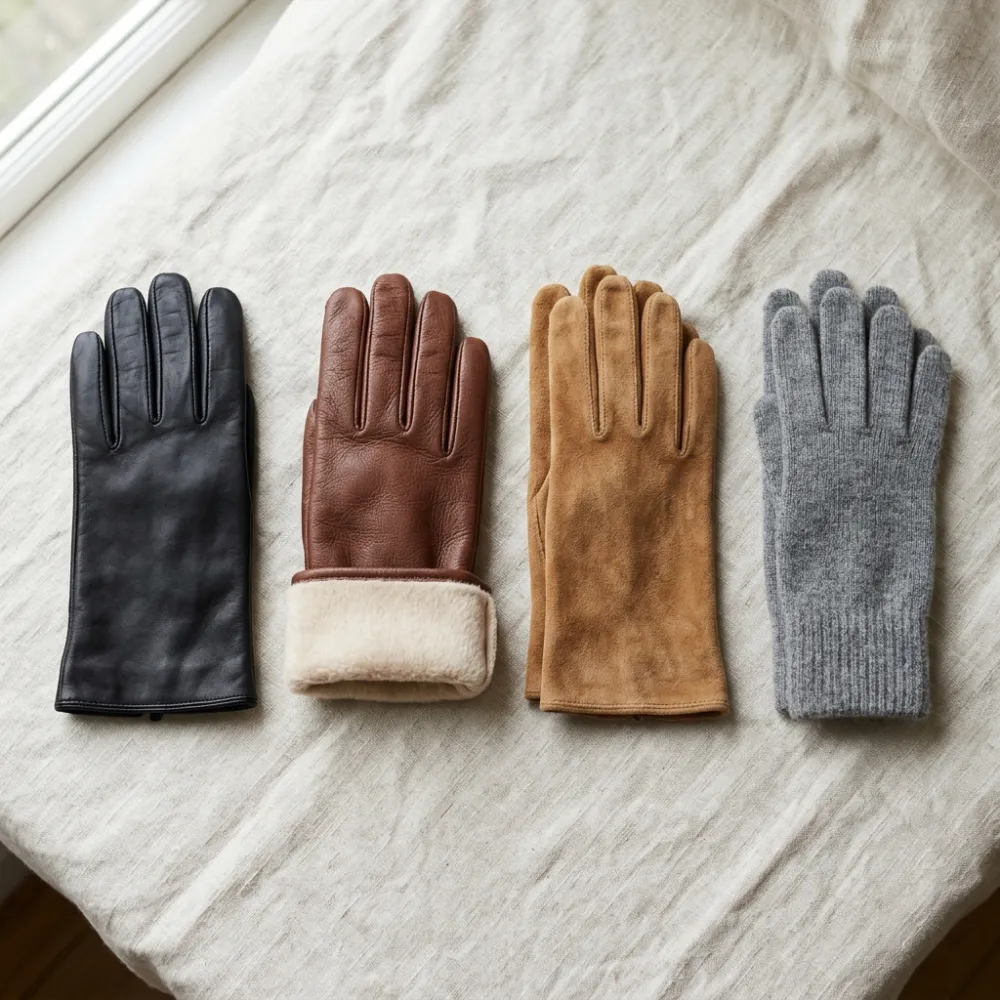
Black unlined smooth leather gloves on linen. Brown leather gloves with a cream cashmere lining showing at the cuff. Camel suede gloves on linen. Grey knit gloves on linen.
TypeHow to sizeStretch
Unlined leatherSlightly snugMost
Lined leatherSnug, allowing for liningSome
SuedeSnugSome
Wool or cashmereComfortably closeLittle
KnitCloseLoosens over time

Choosing a Pair

For everyday winter wear in a city, lined leather is the most useful: warm, smart and long-lasting. Unlined leather suits milder climates and driving; knit is the practical, inexpensive back-up. Winter accessories worth investing in explains why leather is worth spending on, and the cost per wear calculator shows how the price works out over several winters.

For the fit itself, read how a glove should fit; for keeping leather soft, how to care for leather gloves. Choosing a colour? Neutral gloves go with everything — the personal colour palette generator shows which neutrals suit you. For a winter trip, what to wear in Europe in winter, and for another measure-first accessory, how to measure hat size.

Frequently Asked Questions

How do I measure my glove size?

Wrap a soft tape around your dominant hand at the knuckles, excluding the thumb. The measurement in inches is your glove size.

What size glove is a 7-inch hand?

A size 7. Traditional glove sizing uses the hand circumference in inches, in half-size steps.

Which hand should I measure for gloves?

Your dominant hand, which is usually slightly larger.

Do lined gloves fit smaller?

Often, yes. The lining takes up room inside, and lined leather stretches less than unlined.

Are glove letter sizes standard?

No. Letter sizes vary between brands and between fashion and sports gloves, so check the brand’s own chart.

For background, see the history of the glove and the material most gloves are made from, leather.