Almost everyone is between sizes in something. Bodies do not follow size charts, charts differ between brands, and one measurement often lands in one size while another lands in the next. The question is not how to avoid it but what to do about it — and the answer is different for a coat, a pair of jeans, a ring and a hat.
This guide gives a practical rule for each, based on one principle: choose the size that can be adjusted to fit, not the one that cannot. More in our Size Guides section.
Why You Are Between Sizes
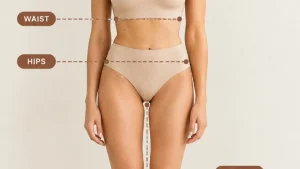
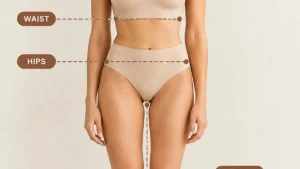
Size charts give a range for each size, and most people's bust, waist and hip do not all fall in the same one. Add brand variation — the same number can differ by several centimetres from one label to the next — and landing on the line between two sizes is normal rather than unusual.
The first step is always to measure rather than rely on a remembered size. The clothing size converter works from your measurements and shows how brands compare.
The General Rule
Garments can be taken in far more easily than they can be let out, because letting out needs spare fabric in the seams, and most modern clothes have very little. So the larger size is usually the safer choice — as long as the part that cannot be altered still fits.
Garment by Garment
| Garment | If between sizes | Why |
|---|---|---|
| Coats and jackets | Fit the shoulder | The shoulder cannot be altered well |
| Fitted dresses | Larger size, take in | Must fit the largest measurement |
| Wrap dresses | Fit the bust | The waist adjusts with the tie |
| Trousers | Fit the hip, take in the waist | Waist take-ins are routine |
| Rigid jeans | Smaller, if only slightly snug | Rigid denim gives a little with wear |
| Stretch jeans | The size that fits now | Stretch relaxes, never tightens |
| Knitwear | By preferred fit | Knits can stretch but not shrink back evenly |
| Leather gloves | Smaller, if only slightly snug | Leather stretches to the hand |
| Hats | Larger, with a sizing insert | A hat can be made smaller, not larger |
| Rings | Larger | Easier to size down than up |
Coats and Jackets
The shoulder decides. A jacket too narrow in the shoulder pulls across the back and cannot be fixed; one slightly generous in the body can be taken in. See how to choose a trench coat for the shoulder test.
Dresses
Size by the measurement the shape depends on. A fitted sheath needs the largest of your three measurements; a wrap dress needs the bust. Dress types and how they fit covers every shape, and the dress size calculator tells you which measurement is deciding.
Trousers and Jeans
Fit the hip and seat, then have the waist taken in if it gaps. Rigid and stretch denim behave differently — read how jeans should fit and use the jeans size converter.
Hats
Choose the larger size. A hat that is slightly big can be made to fit with a sizing insert or hat tape; one that is too small is uncomfortable and much harder to stretch. See how a hat should fit and the hat size calculator.
Gloves
Leather gloves stretch slightly to the hand with wear, so if you are between sizes and the smaller one is only a little snug, it usually becomes the better fit. Wool and knit gloves do not work the same way. The glove size calculator explains the difference.
Rings
Size up. A ring slightly too large can be sized down or fitted with an insert; one too small can only be stretched so far. See how to find a ring size and the ring size converter.
When Alterations Make Sense
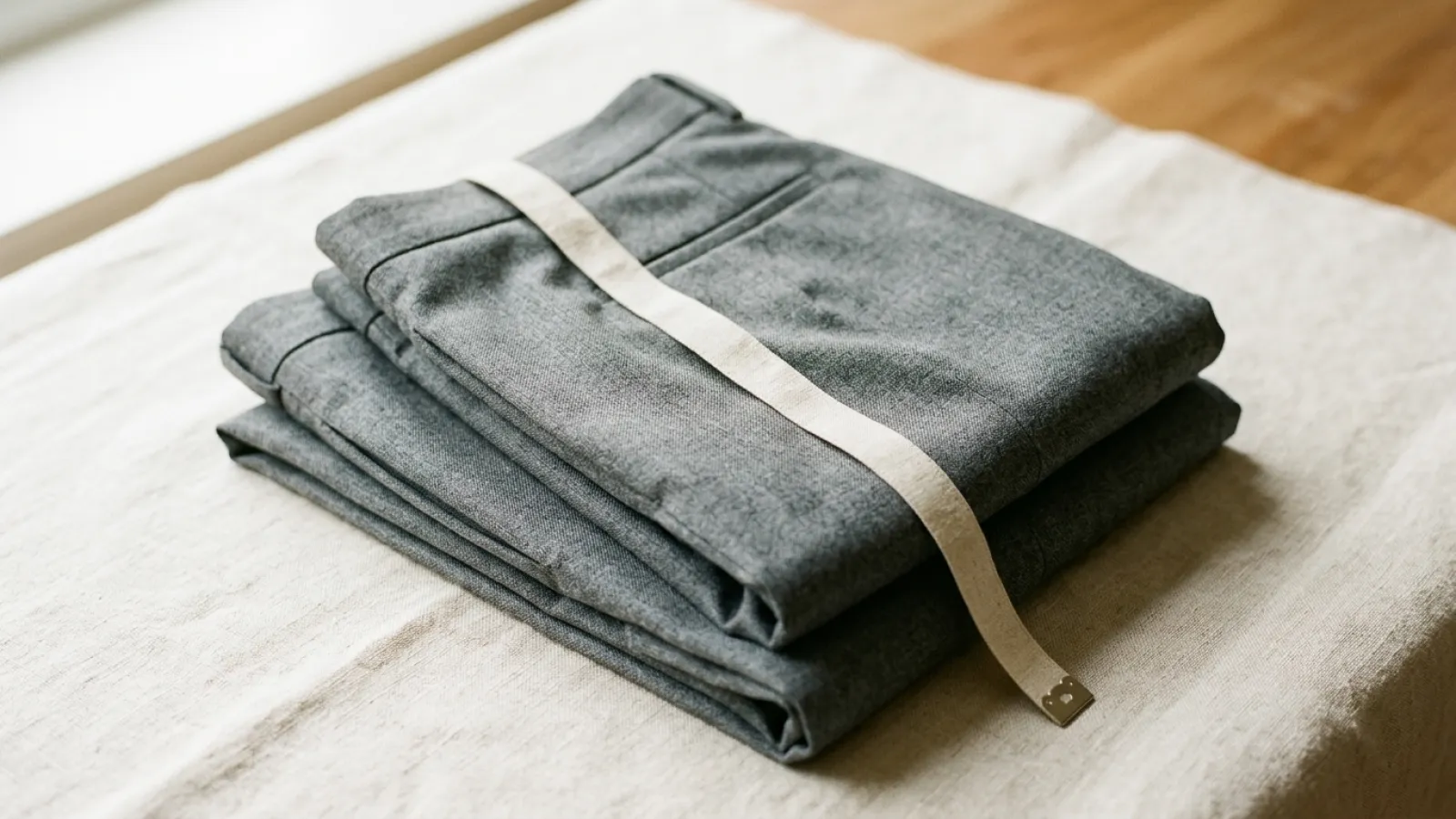
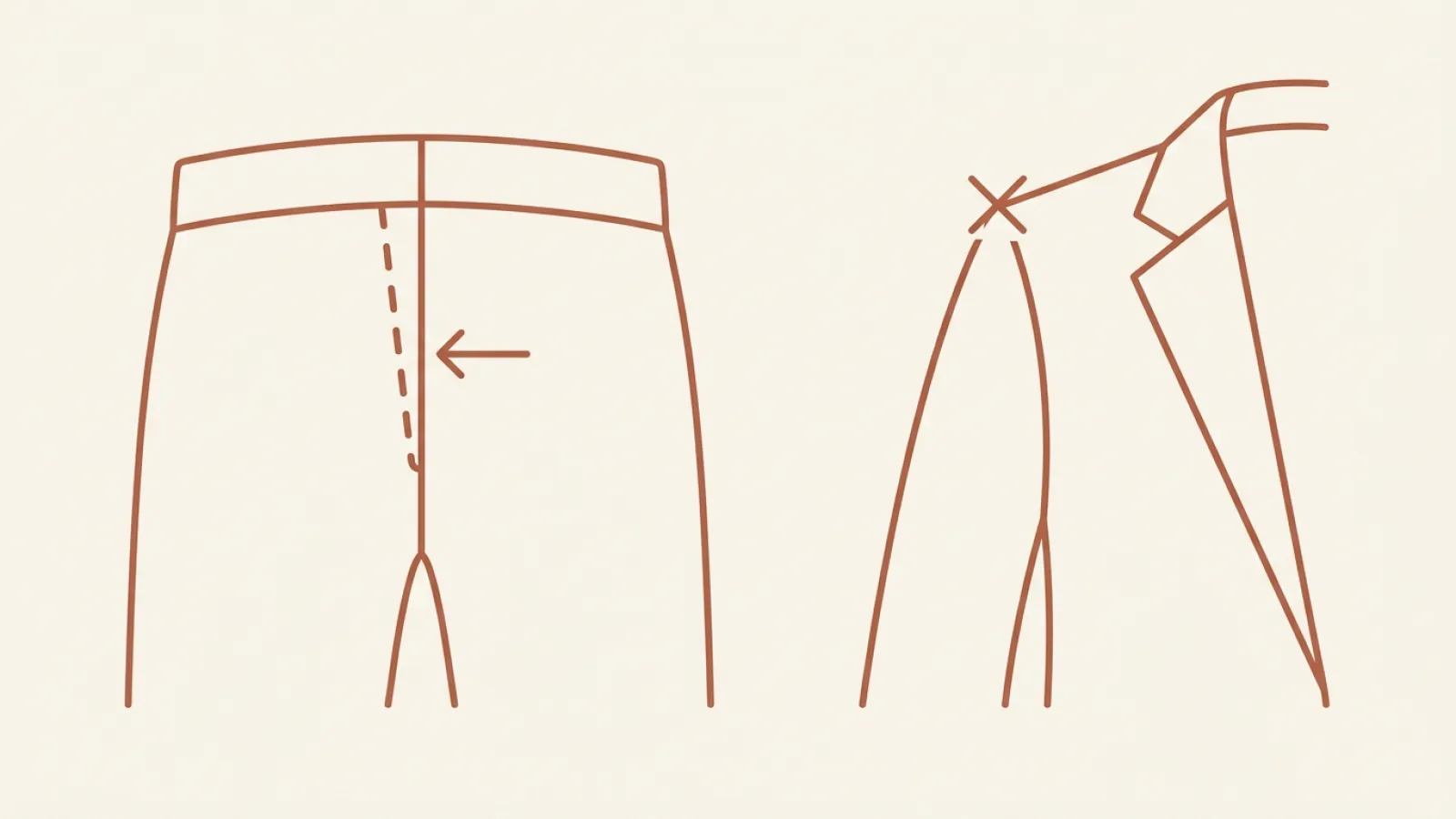
Hemming, taking in a waist and shortening straps are quick, inexpensive and routine. Taking in the side seams of a dress is common. Altering shoulders, letting out anything significantly, or reshaping a heavily structured garment is expensive and not always possible.
Include the alteration cost when deciding whether a piece is worth it — the cost per wear calculator has a field for it, and it rarely changes the answer.
Clothing Size Converter
Convert women's sizes between EU, US, UK, Italian and French.
Try this free calculator to find your exact match.
Frequently Asked Questions
Should I size up or down if I am between sizes?
What if my bust and hips are different sizes?
Should I size down in stretch fabrics?
Is it better to size up in coats?
What do I do if I am between ring sizes?
For how European sizes are built on body measurements, see EN 13402, and for how garments are adjusted after purchase, alterations.
Brand and sizing data on this site is reviewed quarterly. If a figure here is wrong, email fashion@womensfashioneu.com and it will be checked and corrected.