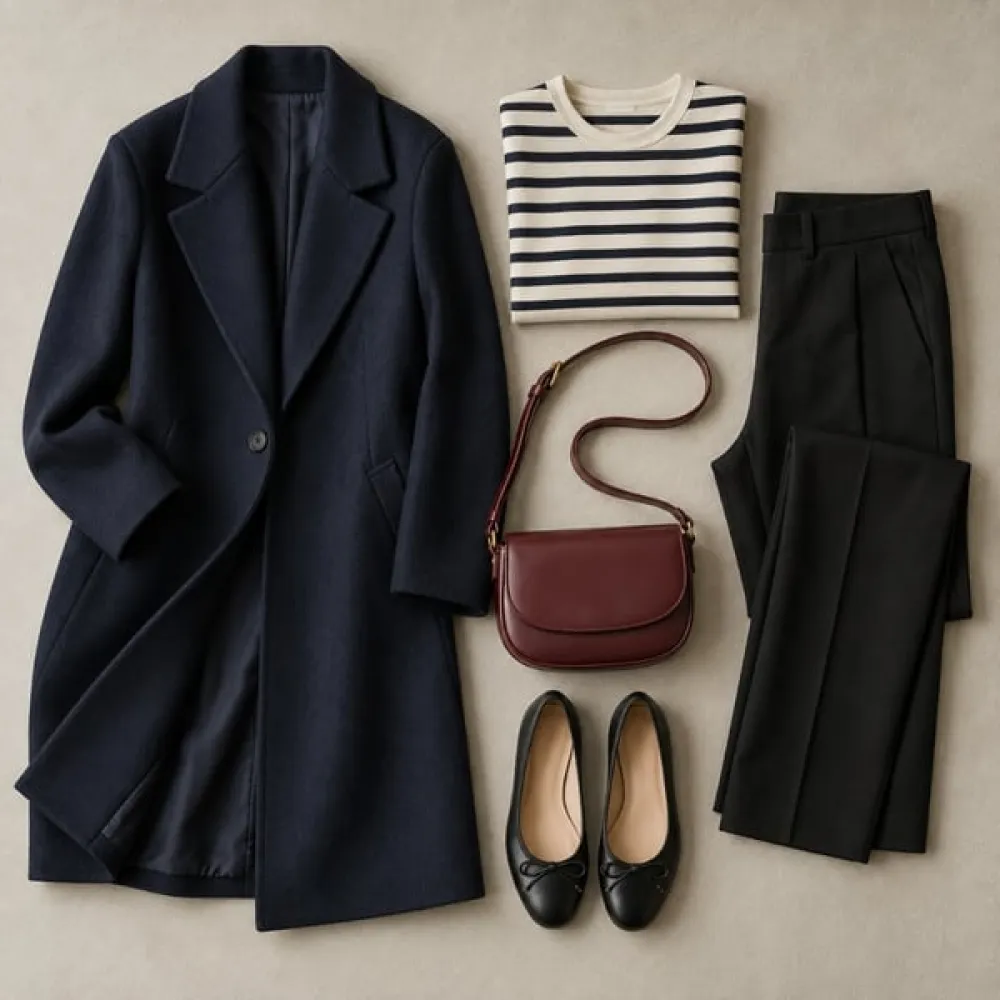
Neutrals make up most of a working wardrobe, so getting them right matters more than any single colour. And they are not interchangeable: an optic white, an ivory and a cream look very different next to the face, as do a cool grey and a warm one. Choosing the best whites and neutrals for each undertone is the quickest way to make a whole wardrobe look better without buying anything bright.
This guide covers whites, beiges and browns, greys and dark neutrals for each of the four undertones. More in our Colour Analysis section.
Everything below depends on your undertone. The test takes two minutes and does not use the vein test.
Why Neutrals Have a Temperature
Every neutral leans slightly warm or cool. An ivory has yellow in it; an optic white has blue. A camel is warm; a taupe sits in between. Next to the face, a neutral with the same temperature as your undertone looks cohesive, and one with the opposite temperature can look very slightly off.
Warm Undertones
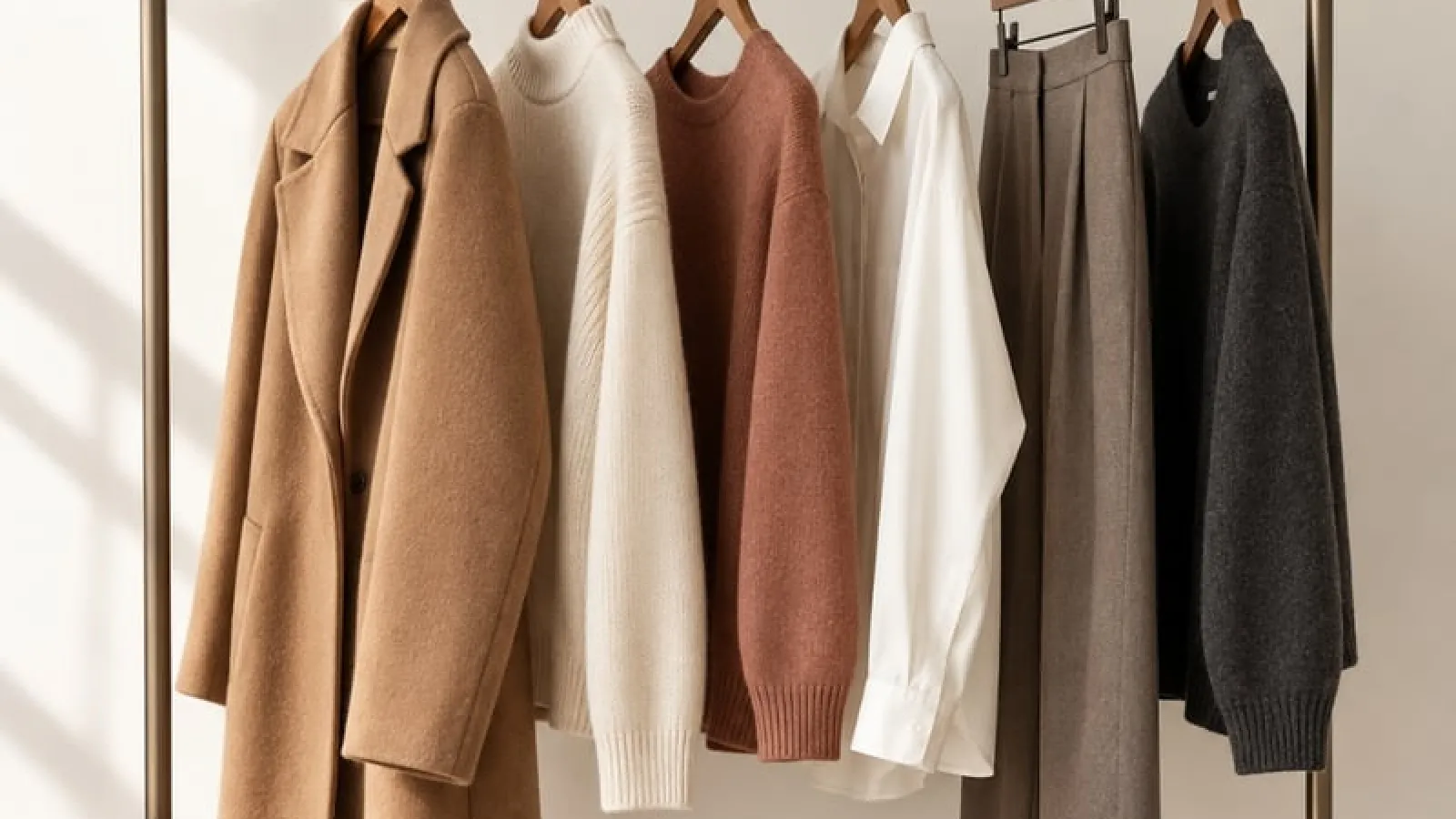
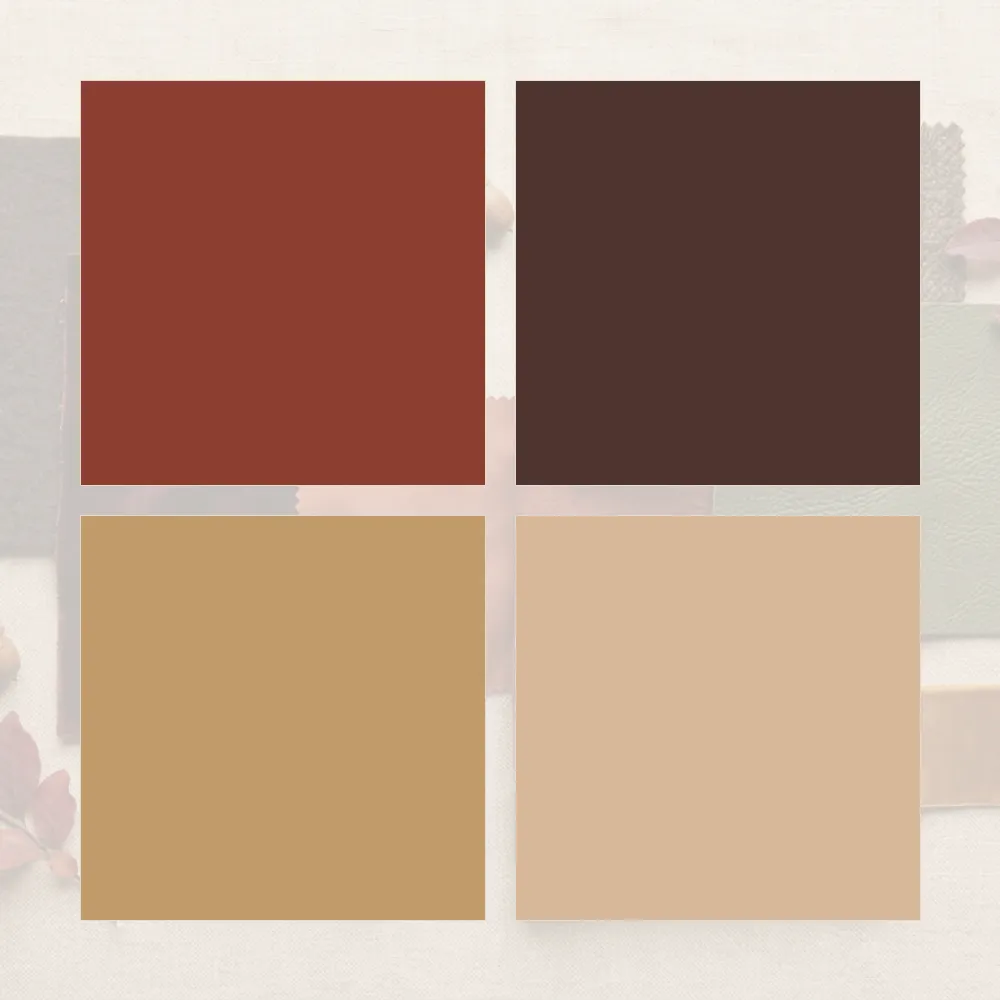
Creamy whites, golden beiges, camel, warm browns and olive. Pure optic white and blue-greys can look slightly cold next to warm skin. Read more about warm undertones.
| Swatch | Name | Hex | Use for |
|---|---|---|---|
| Ivory | #F6EEDC | Shirts, knits, tops | |
| Camel | #C19A6B | Coats, knits | |
| Chocolate Brown | #4E342E | Trousers, shoes, bags |
Cool Undertones
Pure white, soft white, cool greys, navy and charcoal. Creamy yellowish whites and golden beiges can look slightly sallow. Read more about cool undertones.
| Swatch | Name | Hex | Use for |
|---|---|---|---|
| Soft White | #FAFAFA | Shirts, tops | |
| Cool Grey | #8A8D91 | Knits, trousers | |
| Navy | #1F2A44 | Coats, trousers, dresses |
Neutral Undertones
Off-white, stone, taupe, grey-beige and navy — neutrals that are neither strongly warm nor cool. Most neutrals work; the extremes are the only ones to test. Read more about neutral undertones.
| Swatch | Name | Hex | Use for |
|---|---|---|---|
| Off-White | #F2EFE8 | Shirts, knits | |
| Stone | #C8BFB0 | Trousers, coats | |
| Taupe | #8B7D72 | Knits, bags, shoes |
Olive Undertones
Olive skin sits on its own axis, with a green-grey cast that makes some neutrals look richer and others flat. Creams, khaki, olive, warm grey and deep browns tend to work well; stark optic white and some pinky beiges less so. Read more about olive undertones.
| Swatch | Name | Hex | Use for |
|---|---|---|---|
| Cream | #EFE6D2 | Shirts, tops | |
| Khaki | #A39E73 | Trousers, jackets | |
| Warm Grey | #7A746B | Knits, coats |

What About Black?
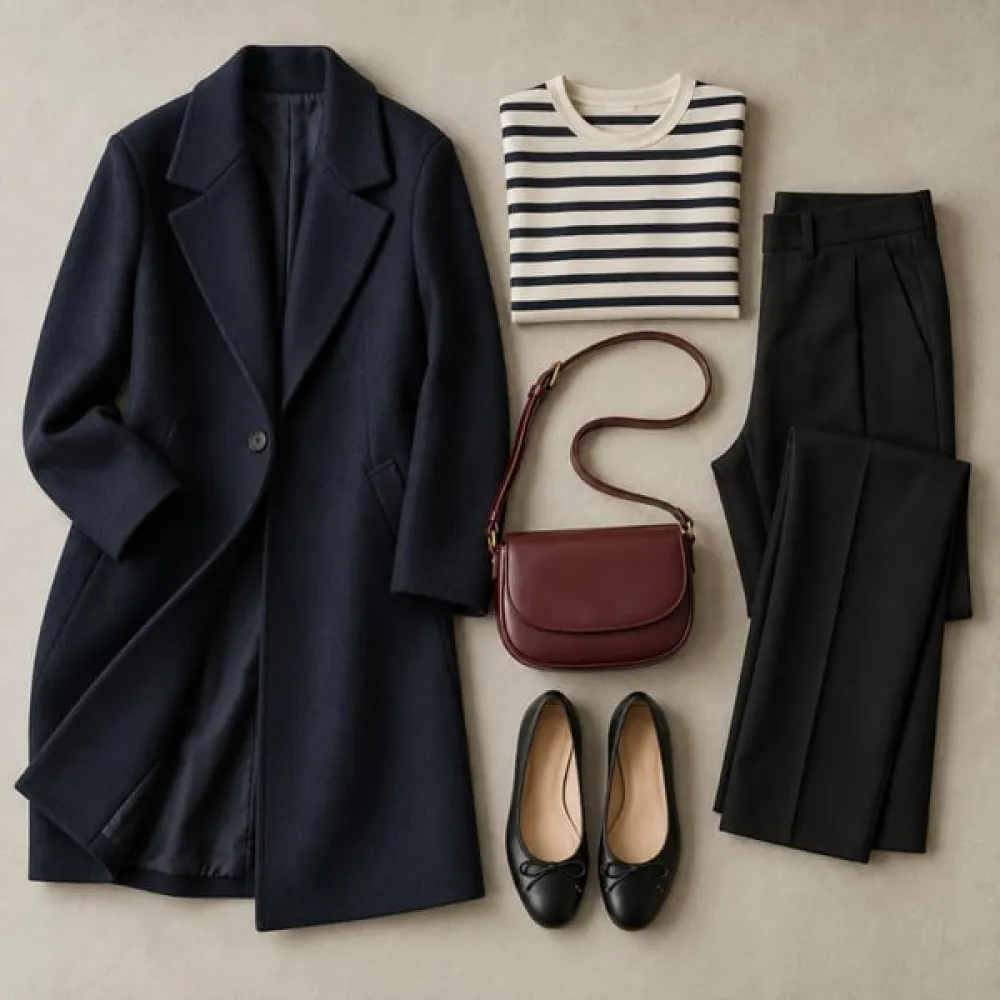
Black is the neutral people ask about most. It sits best with high-contrast colouring — deep and bright winters especially — and can look harsh next to light or soft colouring. If black feels heavy near your face, keep it for trousers, shoes and bags, and use navy, charcoal or chocolate near the face instead.
Putting Neutrals to Work
Neutrals are the base layer of a palette wardrobe — around sixty per cent of it. Building a wardrobe from your colour palette explains the proportions, and the personal colour palette generator gives six neutrals tailored to your season. For metals, see gold or silver for your undertone; for the full picture, the colour analysis quiz and the best colours for your season. Pairing neutrals with colour? See what goes with brown.
Frequently Asked Questions
Which white suits warm undertones?
Ivory, cream and other creamy whites. Pure optic white can look slightly cold next to warm skin.
Which white suits cool undertones?
Pure white and soft cool whites. Yellowish creams can look slightly sallow.
What neutrals suit olive skin?
Cream, khaki, olive, warm grey and deep browns. Stark white and pinky beiges often look flatter.
Does black suit everyone?
Not near the face. It suits high-contrast colouring best; otherwise navy, charcoal or chocolate can replace it near the face.
Do neutrals matter if I wear colour?
Yes. Neutrals make up most of a wardrobe and are the colours worn closest to the face most often.
For background, see human skin colour and the Munsell colour system, which describes how colours differ in hue, value and chroma.