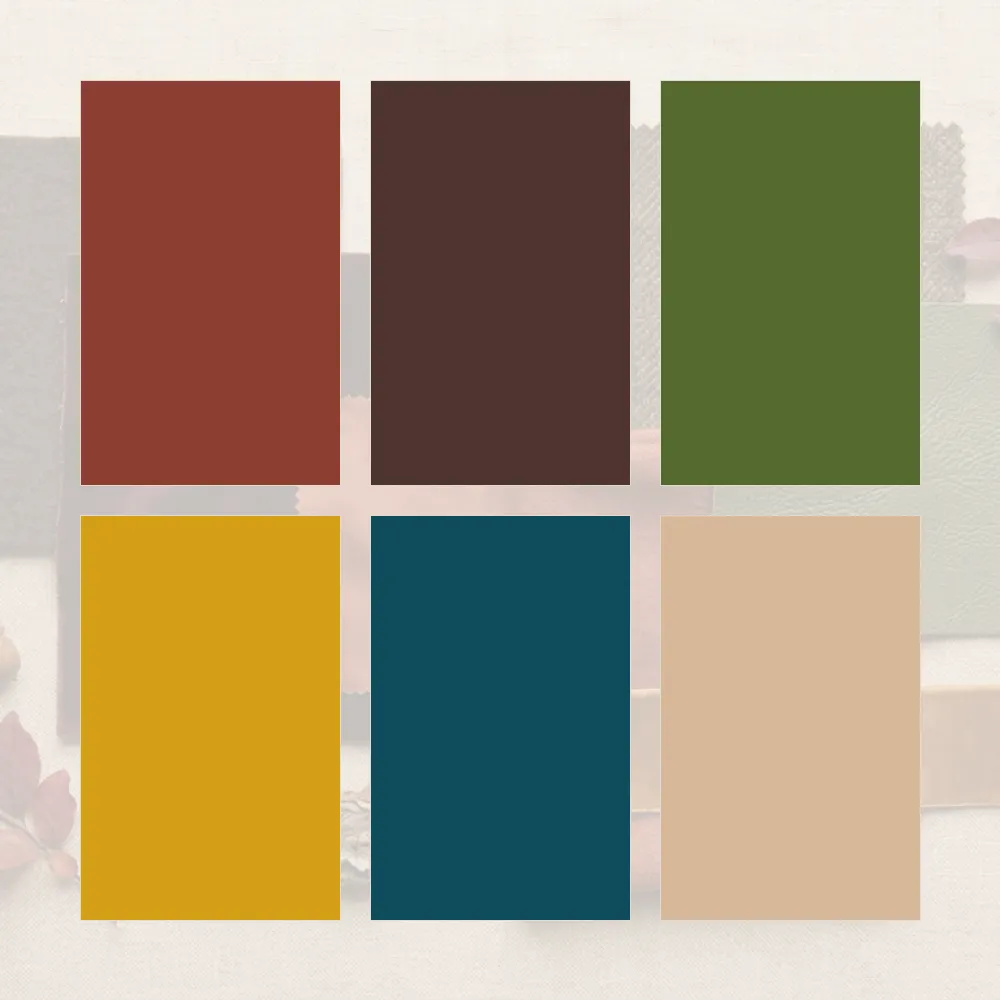
A colour palette is only as good as the shopping it changes. Shopping with a colour palette sounds simple — buy colours from the palette — but in practice shop lighting, fabric sheen and phone screens all distort colour, and a shade that looked right on the rail can look wrong at home.
This guide covers how to carry your palette, how to check colours in store, how to judge colours online, and how to decide on colours that are close but not exact. More in our Colour Analysis section.
Carry Your Palette
You cannot match a colour you cannot see. Save your palette as an image on your phone so it is always with you. The palette generator exports your 24 swatches as a single image sized for a phone, or as hex codes you can paste anywhere.
Do not know your season yet? Start with the colour analysis quiz and read how to take it accurately.
Shopping in Store
Find Daylight
Shop lighting is often warm and flattering, which shifts colours. Take a piece to the window or the door before deciding. Daylight is the light you will be seen in most.
Hold It Near Your Face
For tops, scarves and coats, hold the piece under your chin in the mirror and look at your skin, not the fabric. The right colour makes the skin look even; the wrong one makes you look tired or flushed.
Compare Against Your Palette
Hold the fabric next to your palette image or swatch. You are looking for the same temperature and roughly the same depth, not an exact match.
Shopping Online
Online colour is the hardest to judge. Product photos are edited, lit differently from one item to the next, and viewed on screens with their own colour settings.
- Look at several photos — the product shot, the model shot and any close-up.
- Read the colour name — “stone”, “ecru” and “ivory” tell you more about temperature than the photo might.
- Check reviews — customers often mention when a colour is different in person.
- Know the returns policy — for a colour you are unsure of, buy where returns are easy.
Fabric Changes Colour
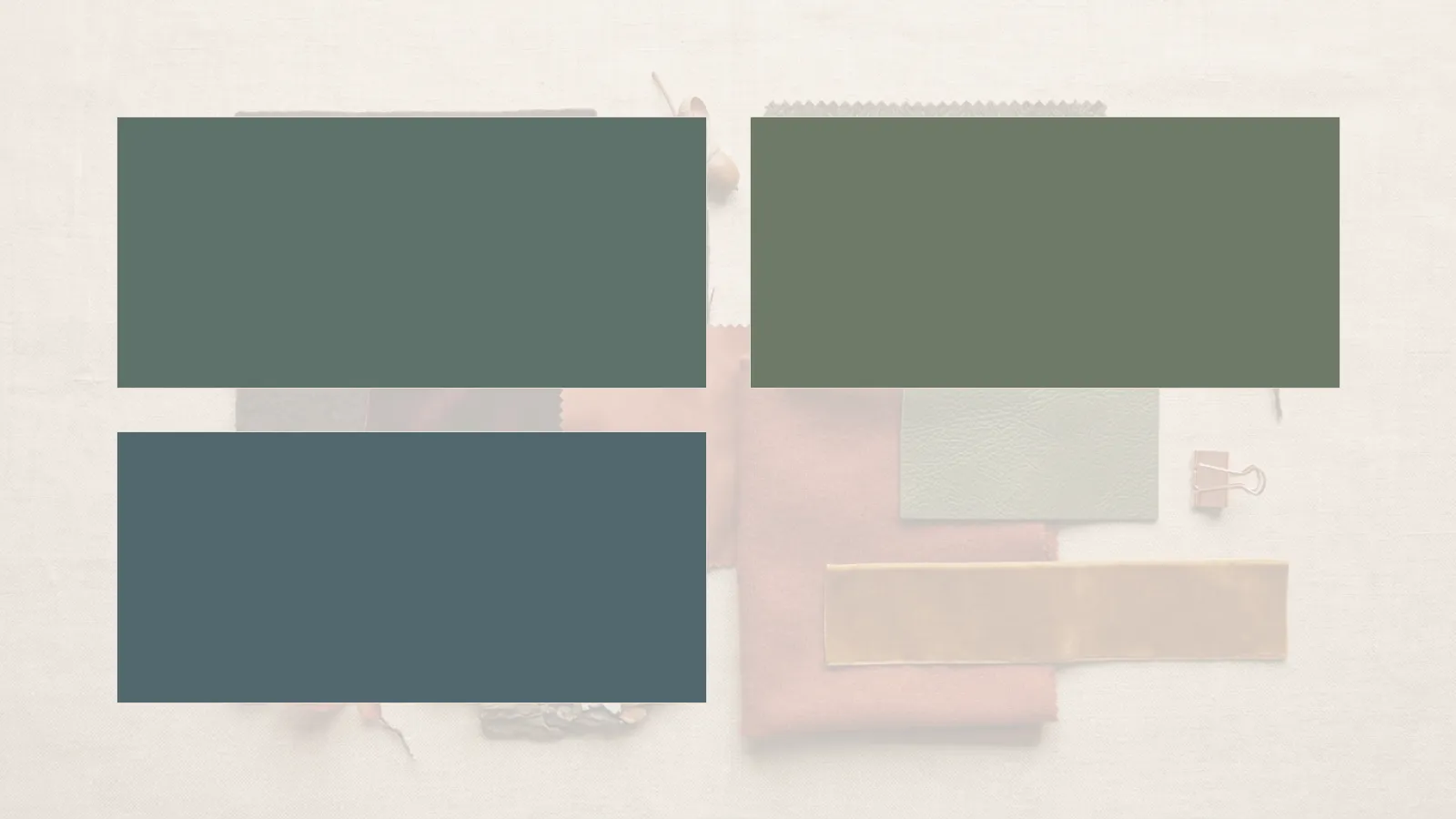
The same dye looks different in different fabrics. Shiny fabrics like satin and silk reflect light and look brighter; matte fabrics like wool and linen look deeper and softer. A colour that is slightly too bright in silk may be perfect in wool. Judge the colour in the fabric you are buying.
When a Colour Is Close but Not Exact
You will rarely find an exact match, and you do not need one. Ask two questions: is the temperature right — warm or cool, matching your palette — and is the depth close? If both are yes, it will work. If the temperature is wrong, it will not, however close the shade looks.
Neutrals are the most important to get right, because they are most of the wardrobe; accents can be more approximate. The best whites and neutrals for each undertone helps with the neutrals, and building a wardrobe from your colour palette explains what to buy first.
A Shopping Checklist
- Palette saved on your phone, or a fabric swatch in your bag
- A list of the gaps you are shopping for, by colour
- Check the colour in daylight before buying
- Hold tops and scarves near your face
- Check the temperature matches your palette
- Consider the fabric’s sheen
- For online orders, read reviews and check the returns policy
Before buying, check whether a piece earns its price with the cost per wear calculator, and whether it fits your plan with the capsule wardrobe builder. For colour combinations in an outfit, the outfit colour combination generator. For two easy colours to build around, see olive green and brown.
Frequently Asked Questions
How do I shop with my colour palette?
Keep your palette on your phone, check colours in daylight, hold pieces near your face, and match the temperature and depth rather than the exact shade.
Why do clothes look different at home?
Shop lighting is often warm and flattering. Daylight shows the true colour, which is why checking near a window helps.
How can I tell colour online?
Look at several photos, read the colour name and reviews, and buy where returns are easy. Screens are never fully accurate.
Does it need to match my palette exactly?
No. The temperature must match; the depth should be close. The exact shade matters less.
Which colours matter most to get right?
Neutrals, because they make up most of the wardrobe, and anything worn near the face.
For why colours change under different light, see colour temperature and metamerism.