A Year-Round Capsule Wardrobe Checklist, Season by Season

A capsule wardrobe works best when it is built in two parts: a core that stays all year, and a smaller set of seasonal pieces that rotate in and out. This year-round capsule wardrobe checklist uses that structure, so you are never rebuilding from scratch — just swapping a few pieces as the weather changes.

This guide gives the core, the four seasonal additions, and how to adjust it for your climate and week. More in our Outfit Ideas section.

Build a core of around twenty pieces that works in every season, then add five to ten seasonal pieces for each quarter. The core never changes; only the edges do.

How a Year-Round Capsule Is Structured

Every piece in a capsule does a job. Thinking in roles rather than items makes gaps obvious: you need an overlayer, an underlayer, a workhorse bottom, a dress-up bottom, an easy dress, a walking shoe, another shoe and something to carry. The builder uses exactly these eight roles.

RoleWhat it doesExample
OverlayerThe outer layerCoat, jacket, cardigan
UnderlayerThe base against the skinT-shirts, shirts, fine knits
Workhorse bottomWorn most oftenStraight trousers, jeans
Dress-up bottomFor smarter daysTailored trousers, a skirt
Easy dressA complete outfit in oneA versatile day dress
Walking shoeEveryday comfortFlats, trainers, boots
Other shoeSmarter or seasonalLoafers, heels, sandals
CarryEveryday bagA structured bag

The Year-Round Core

  • A trench coat or light jacket
  • A cardigan or fine knit layer
  • Three plain t-shirts
  • Two shirts, one white
  • Two fine knits
  • Straight-leg trousers in a neutral
  • Straight-leg denim
  • Tailored trousers or a skirt
  • One day dress
  • Leather flats or loafers
  • Clean trainers
  • One structured bag
  • One scarf in an accent colour

These pieces work in every season when layered differently. The ten pieces European wardrobes are built on explains what to look for in each.

Seasonal Additions

Winter

  • A warm wool coat
  • Two heavier knits
  • Waterproof ankle boots
  • Leather gloves
  • A warm scarf and hat
  • Tights and thermal layers

See winter accessories worth investing in.

Spring

  • A light jacket or second trench
  • A lighter knit
  • A midi skirt
  • A second pair of flats
  • A compact umbrella

Summer

  • Two linen shirts or tops
  • Lightweight trousers or wide linen trousers
  • A summer dress
  • Walking sandals
  • A straw bag and a sun hat

See what to pack for Italy in summer.

Autumn

  • A leather or wool jacket
  • Two mid-weight knits
  • Ankle boots
  • A heavier scarf
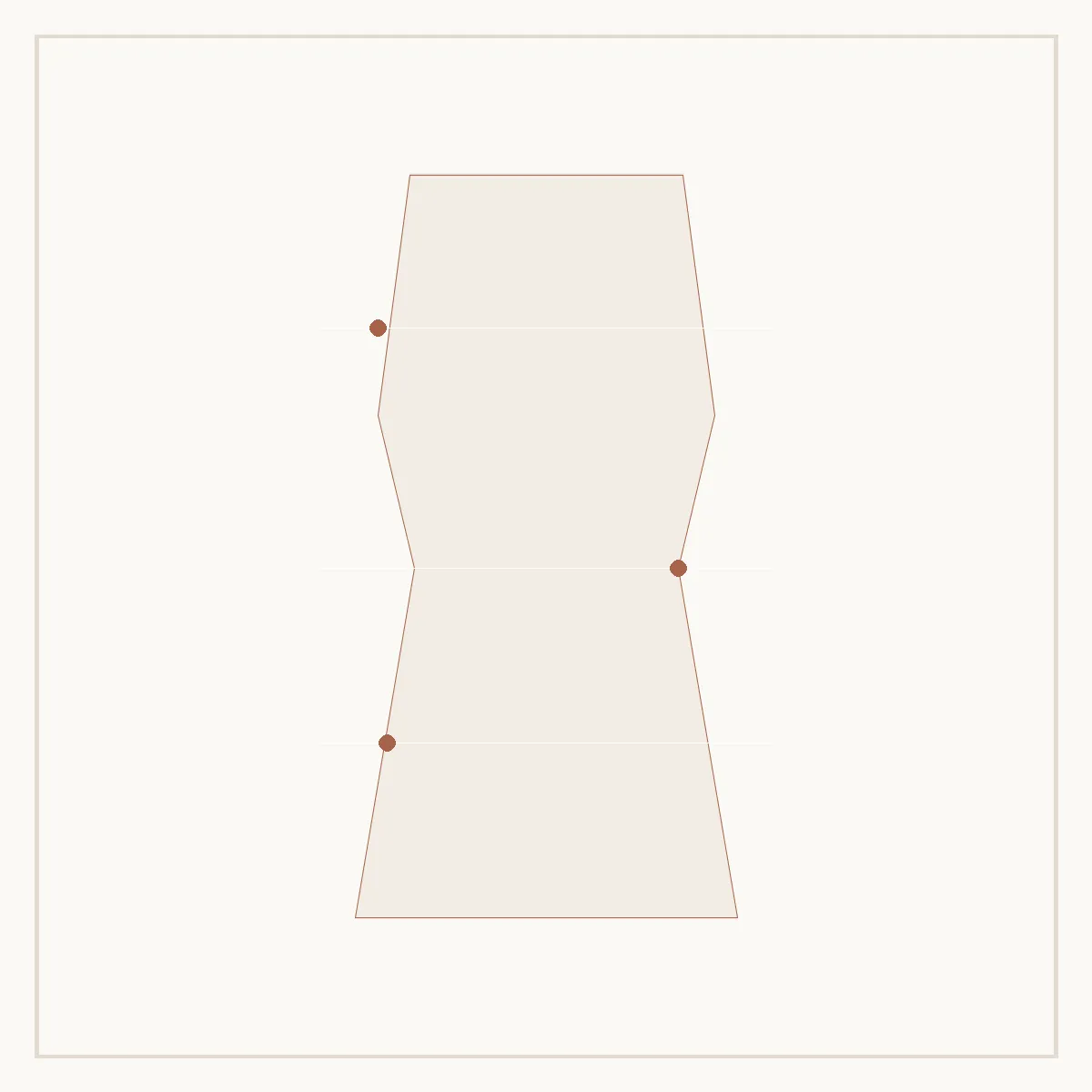
Diagram of a central wardrobe core surrounded by four seasonal additions: winter, spring, summer and autumn.

Adjusting It for You

This is a general list. A mild climate needs fewer winter pieces; an office week needs more tailoring; a uniform at work changes the whole thing. The builder asks about your climate, season, week and how many pieces you want, and produces a checklist you can print, with your palette across the top.

Colour is what makes a capsule work. Choose two or three neutrals for the core and let the seasonal pieces bring in your main colours. The personal colour palette generator gives you both.

Read building a wardrobe from your colour palette for the colour side, and capsule wardrobes over 40 for how the same approach works when your style is already settled. Before buying anything, check it with the cost per wear calculator and read which pieces are worth spending on. For deciding what fits your style, the personal style quiz.

Frequently Asked Questions

How many pieces is a year-round capsule wardrobe?

Around twenty core pieces, with five to ten seasonal pieces added each quarter — roughly thirty to forty in use at any time.

What is the core of a capsule wardrobe?

The pieces that work in every season: a light coat, layers, t-shirts, shirts, trousers, denim, a dress, two pairs of shoes and a bag.

Do I need a different capsule for each season?

No. Keep the core and swap in a few seasonal pieces, rather than building four separate wardrobes.

What colours should a capsule wardrobe be?

Two or three neutrals for the core, with main colours and accents in the seasonal pieces.

How do I start a capsule wardrobe?

Audit what you already own, keep what you wear, and fill gaps starting with the coat and trousers.

For background, see the history of the capsule wardrobe and the broader idea of slow fashion.
What to Wear in Europe, Month by Month

Europe is not one climate. In the same week in March, Lisbon can be mild and sunny while Copenhagen is close to freezing, and a July afternoon in Rome can be twice as hot as one in Edinburgh. Knowing what to wear in Europe means knowing both the month and the region, which is why a single packing list rarely works.

This guide splits Europe into three broad zones and gives a month-by-month picture for each, with what to pack. Check the forecast for your exact destination before you go — this is a pattern, not a prediction. More in our Europe Travel Fashion guides.

Pack in layers whatever the month. Europe’s weather changes within a day as well as between regions, and a knit and a light waterproof layer cover more situations than any single heavy piece.

The Three Climate Zones

ZoneExample citiesCharacter
NorthernLondon, Amsterdam, Copenhagen, Stockholm, DublinCool, often wet, long winters, mild summers
CentralParis, Vienna, Berlin, Prague, MunichCold winters, warm summers, clear seasons
SouthernRome, Madrid, Lisbon, Barcelona, AthensMild winters, hot dry summers

Winter: December, January, February

Cold across the north and centre, with short days and frequent rain or snow; milder but still cool in the south, especially in the evenings. December brings Christmas markets in much of central and northern Europe, which means long evenings standing outside.

  • Northern and central: a warm wool coat, knitwear, waterproof boots, gloves, a scarf and a hat
  • Southern: a medium-weight coat, layers, closed shoes; a knit for the evenings

See what to wear in Europe in winter for the full list, and winter accessories worth investing in for the pieces worth spending on.

Spring: March, April, May

The most changeable season. March can still feel wintry in the north and centre; by May the south is warm. Rain is common everywhere, and temperatures swing between morning and afternoon.

  • All zones: a trench coat or light waterproof jacket, knitwear to layer, trousers and a dress, comfortable closed shoes
  • Late spring in the south: add lighter fabrics and sandals

Spring is trench-coat season across the continent — see how to choose a trench coat.

In spring, dress in layers you can remove and carry. A morning that needs a coat can turn into an afternoon that does not, especially in March and April.

Summer: June, July, August

Mild in the north, warm to hot in the centre, and hot in the south, where July and August can be very hot indeed. Evenings in the north can still be cool. Many religious sites across Europe expect covered shoulders and knees regardless of the heat.

  • Southern: linen and cotton, loose cuts, a dress that covers the knee, walking sandals, a hat, and a scarf for churches
  • Central: light layers, a light jacket for evenings
  • Northern: summer clothes plus a knit and a light waterproof

For a full summer list, see what to pack for Italy in summer.

Churches and religious sites across southern Europe often require covered shoulders and knees, and some enforce it at the door. Carry a light scarf on any day you might visit one.

Autumn: September, October, November

September is often warm and settled, especially in the south — one of the best months to travel. October cools noticeably and brings rain; by November the north and centre are cold and grey again.

  • September: summer pieces plus a light jacket and a knit
  • October: a trench or light wool coat, knitwear, ankle boots
  • November: close to winter in the north and centre; a warm coat and waterproof shoes
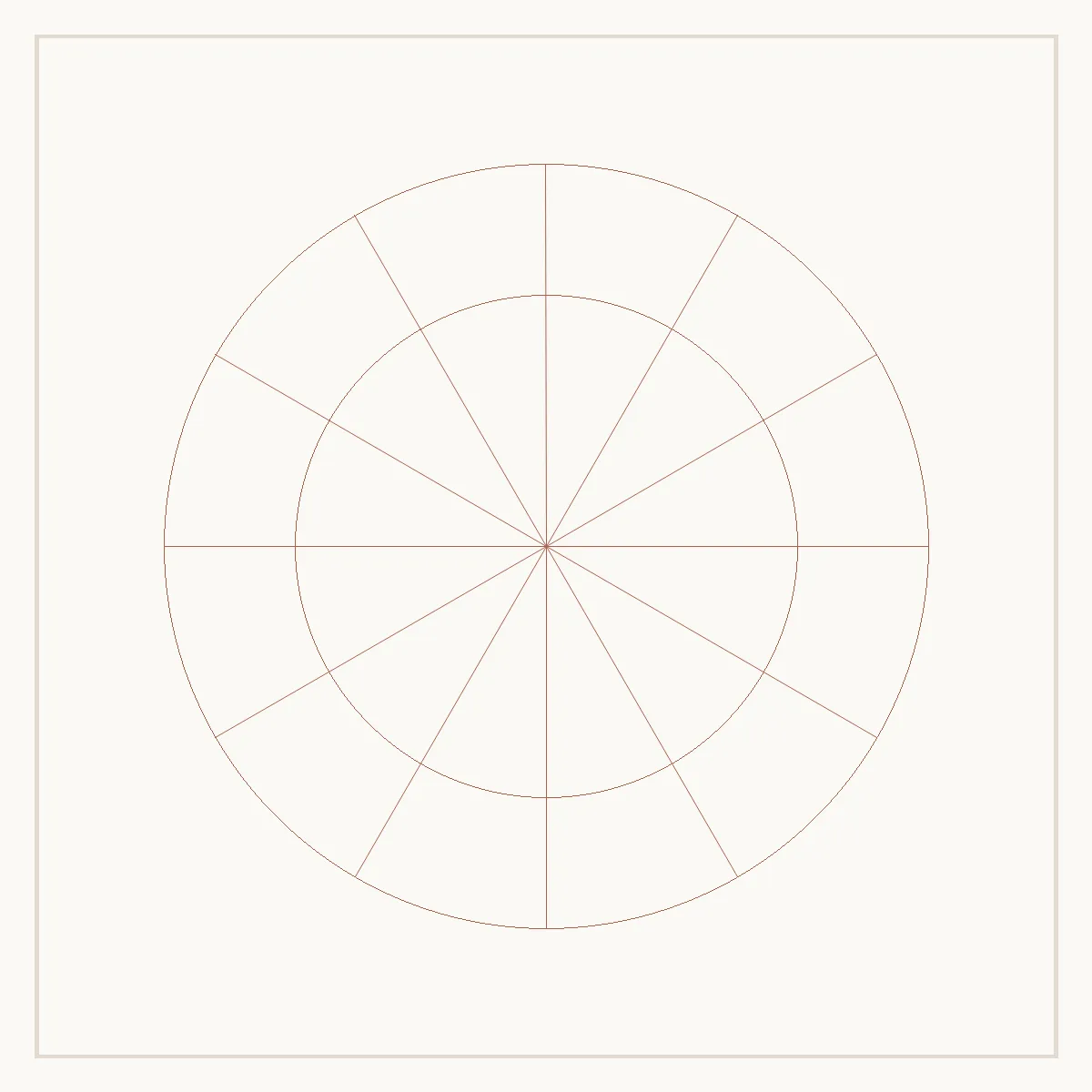
A circular calendar wheel with small garment icons for each month, from coats in winter to sandals in summer.

A Core That Works All Year

Whatever the month, a small core of pieces carries most of a European trip: straight trousers, a pair of jeans, a few tops, a knit, one dress, a layer for rain and two pairs of walkable shoes. Seasonal pieces go around that core. The ten pieces European wardrobes are built on covers it, and Copenhagen style shows how to dress for weather without losing style.

The capsule builder has presets for different climates and trip lengths, and produces a checklist you can print.

Once you are there, what should I wear today suggests an outfit from the temperature and the occasion. Before you fly, check the case with the luggage weight calculator, and if you are travelling light, read how to pack a carry-on for a week in Europe.

Frequently Asked Questions

What should I wear in Europe?

It depends on the month and the region. Pack in layers, bring walkable shoes, and check the forecast for your destination — the north, centre and south can differ a great deal in the same week.

What is the best month to visit Europe for weather?

Late spring and September are often the most comfortable across most regions — warm without the peak summer heat of the south.

Do I need a coat in Europe in summer?

Not in the south, but a light jacket or knit is useful for evenings in the north and in mountain or lake areas.

What shoes should I pack for Europe?

Two genuinely walkable pairs. European cities involve a lot of walking, often on stone streets.

How cold is Europe in winter?

Cold in the north and centre, with frequent rain or snow; milder in the south. Pack a warm coat, gloves and waterproof shoes for northern and central cities.

For an overview of the continent’s weather patterns, see the climate of Europe. For detailed forecasts, a national weather service such as the Met Office covers much of Europe.