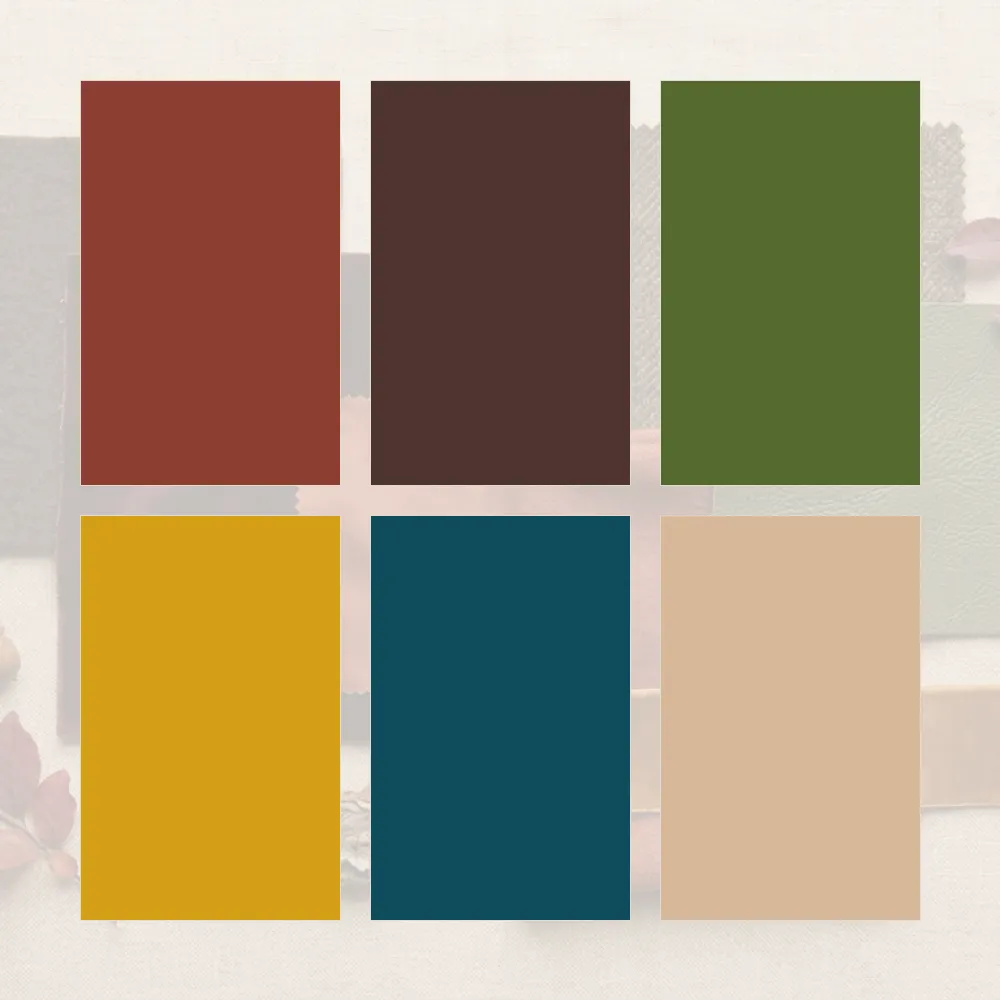
What Goes With Brown? The Best Colour Pairings for Every Shade

Brown has become one of the most worn neutrals, and for good reason: it is softer than black, warmer than grey, and suits a very wide range of colourings. Knowing what goes with brown means knowing which brown you are working with, because a dark chocolate and a light tan pair with quite different colours.

This guide covers the main shades of brown, the colours that pair with each, and how to wear them. More in our Outfit Ideas section.

Brown pairs with cream, navy, light blue, pink, olive and other browns. Dark chocolate works like black; light tan and camel work like beige. Tonal brown outfits are one of the easiest ways to look polished.

Know Your Brown

SwatchShadeHexWorks like
Chocolate#4E342EA softer black
Mid Brown#7B4B2AA warm dark neutral
Camel#C19A6BA warm light neutral
Tan#D2B48CA soft beige

For combinations filtered by your season, the colour combination generator has a brown row.

Colours That Go With Brown

Cream and Ivory

The classic. Cream with chocolate is soft and rich; cream with camel is light and calm.

Navy

A sophisticated pairing of two dark neutrals — navy with camel or chocolate works in almost any setting.

Light Blue

Fresh and unexpected. A pale blue shirt with brown trousers is one of the best everyday combinations.

Pink

Soft pink with chocolate brown is warm and modern; dusty rose with camel is gentle.

Olive

Earthy and tonal. Olive and brown together read as a considered autumn palette. See what goes with olive green.

Other Browns

Tonal dressing — chocolate with camel, tan with mid brown — is one of the easiest ways to look put together. Vary the texture, not just the shade.

Rust and Burgundy

Rich accents. A rust knit or burgundy bag with brown deepens the whole outfit.

White

Crisp. A white shirt or trainers with brown looks clean and summery.

Black

Once considered a clash, now common. Black and chocolate together look deliberate when the pieces are clearly different in texture.
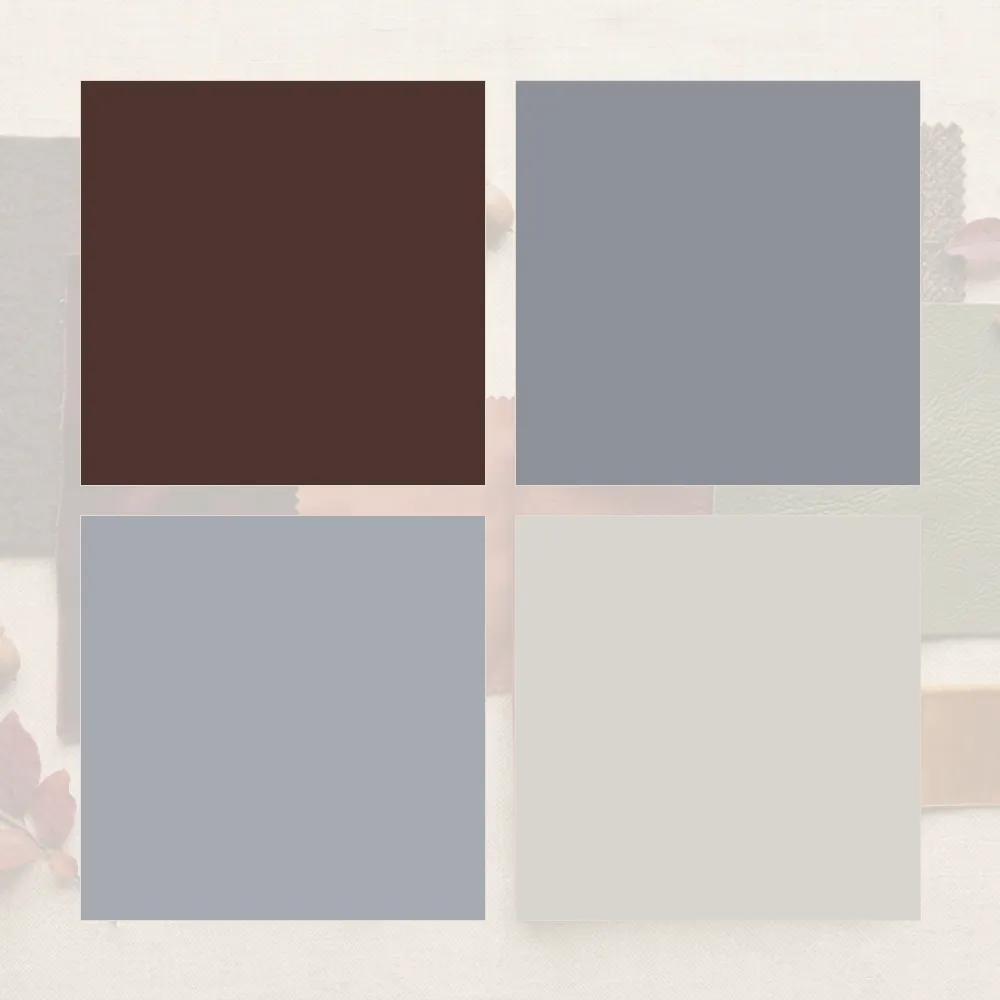
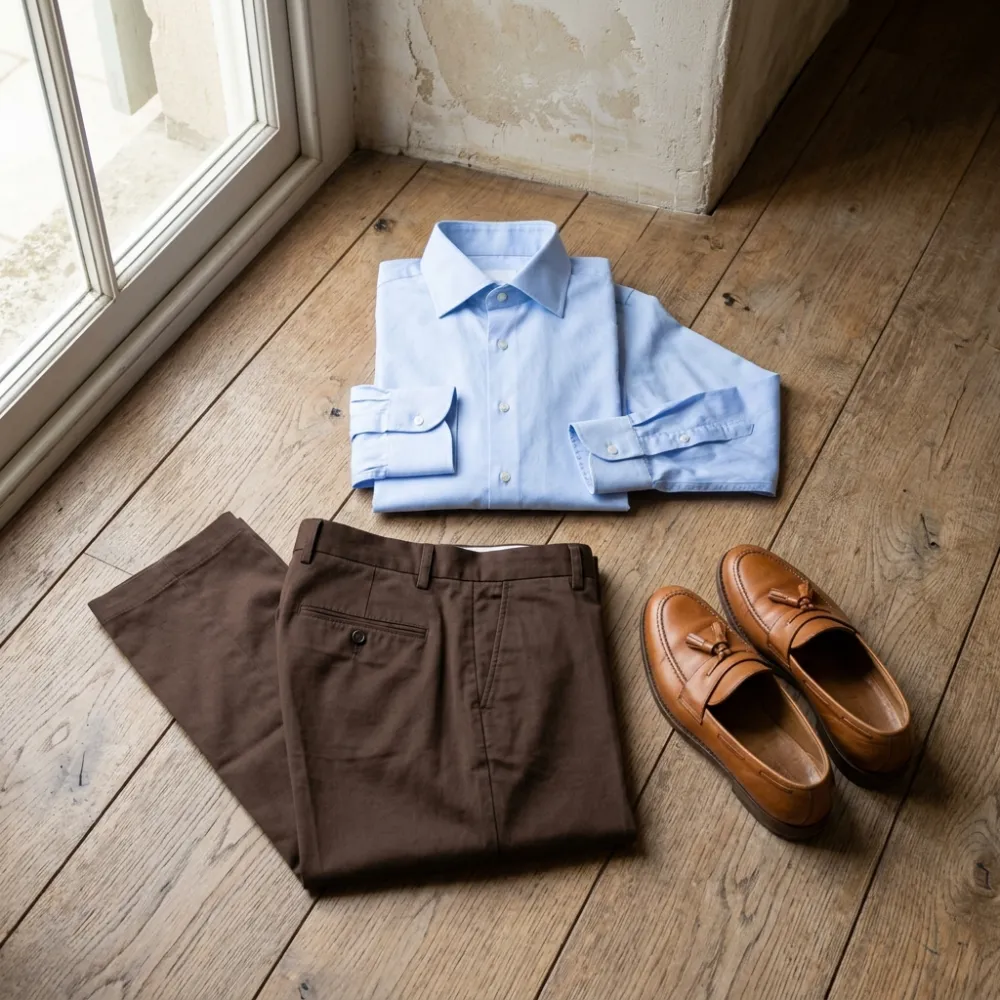
Chocolate brown trousers with a grey t-shirt and grey trainers. The same brown trousers with a light blue shirt and tan loafers. For a tonal brown outfit, combine at least three different textures — a knit, a smooth trouser, a leather shoe. Texture stops a single-colour outfit from looking flat.

Who Brown Suits

Warm browns — camel, tan, chocolate with a red or golden cast — suit warm and olive undertones especially. Cooler colourings often do better with greyer, cooler browns such as taupe, or with brown kept away from the face. Deep and autumn seasons wear chocolate particularly well.

The undertone test and the best whites and neutrals for each undertone tell you which browns suit you. The Deep Autumn palette is built largely on warm browns.

Brown in a Wardrobe

Brown can replace black as a wardrobe’s darkest neutral, which softens the whole look. Brown shoes, bags and belts are also easier to pair than black with warm and earthy colours. The personal colour palette generator shows which browns belong in your palette, and building a wardrobe from your colour palette explains how to use them. For leather in brown, see how French women buy shoes and winter accessories worth investing in.

Frequently Asked Questions

What colours go with brown clothes?

Cream, navy, light blue, pink, olive, rust, burgundy, white and other browns.

Does brown go with black?

Yes, when the pieces are clearly different in texture and shade. It looks deliberate rather than mismatched.

What colour top goes with brown trousers?

Cream, light blue, pink and white are the easiest. Navy works for a darker look.

Can I wear brown head to toe?

Yes. Tonal brown is polished, especially when you vary the shades and textures.

Who does brown suit?

Warm and olive undertones especially. Cooler colourings often prefer cooler browns like taupe, or brown away from the face.

For background, see brown and how colours relate on the colour wheel.
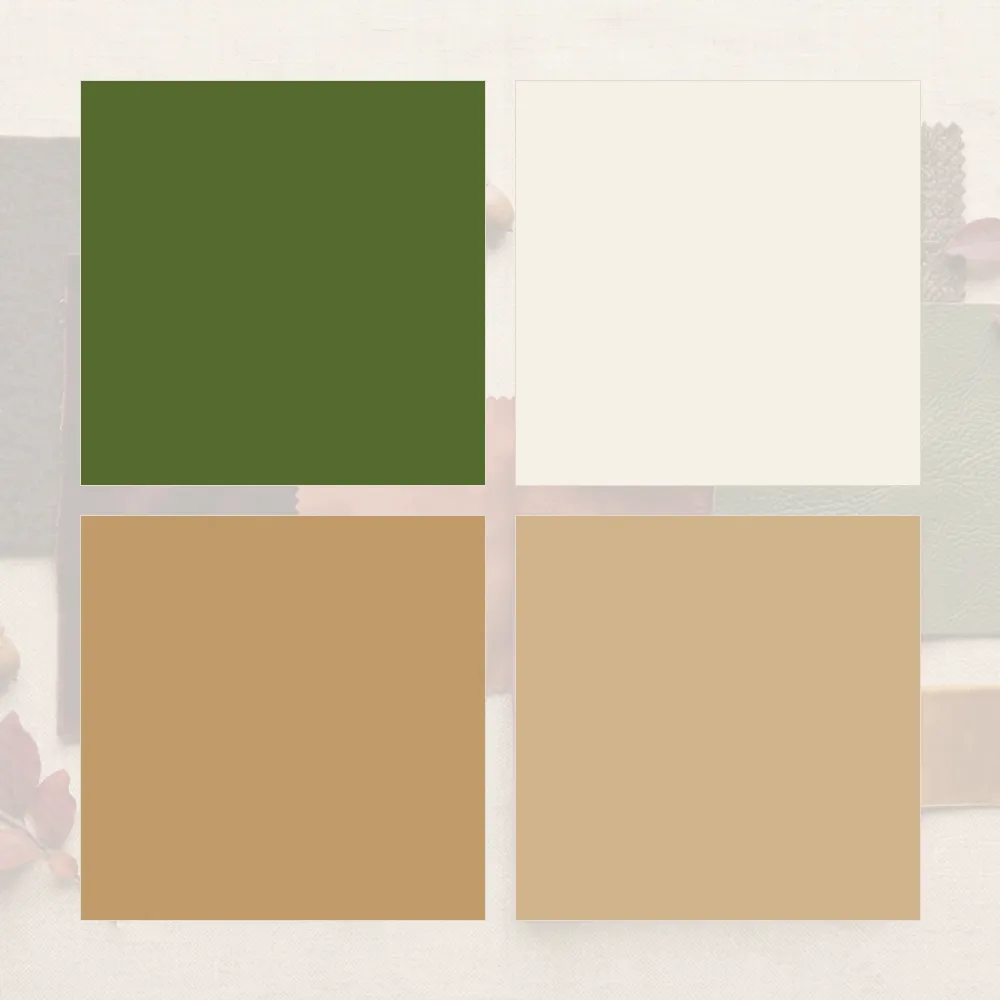
What Goes With Olive Green? Nine Colours That Work

Olive green is one of the most useful colours in a wardrobe because it works almost like a neutral — it sits with far more colours than most greens — while still reading as a colour. Knowing what goes with olive green turns a single olive jacket or trouser into a piece that works with half the wardrobe.

This guide covers nine colours that pair with olive, how to wear each combination, and which colourings olive suits best. More in our Outfit Ideas section.

Olive pairs best with cream, navy, camel and rust, and works with black, denim, burgundy, mustard and soft pink. Treat it as a neutral in the main part of an outfit, and add one accent.

Why Olive Works So Well

Olive is a green mixed with brown and grey, which gives it an earthy, muted quality. That muted quality is what lets it sit with both warm and cool colours, and with other neutrals, without clashing. It behaves more like khaki or camel than like a bright green.

For combinations filtered by your own season, the colour combination generator has an olive row.

Nine Colours That Go With Olive Green

1. Cream and Ivory

The easiest pairing. A cream knit with olive trousers, or an ivory shirt under an olive jacket, looks calm and considered.

2. Navy

Two dark neutrals together. Olive and navy is a classic, understated combination that works for work and weekends alike.

3. Camel and Tan

Warm and tonal. An olive knit with camel trousers, or olive trousers with a camel coat, is a soft autumn palette in one outfit.

4. Rust and Terracotta

The most striking warm pairing. A rust scarf or knit against olive is rich and autumnal.

5. Black

Sharper and more modern. Olive with black works well in tailoring and edgier outfits.

6. Denim Blue

An olive utility jacket with blue jeans is one of the most reliable casual outfits there is.

7. Burgundy

Deep and rich. A burgundy bag or shoe is an excellent accent against olive.

8. Mustard

Warm and bold. Use in small doses — a scarf or a knit — rather than equal parts.

9. Blush Pink

The unexpected one. A soft pink top with olive trousers softens the green and looks fresh rather than earthy.

ColourMoodEasiest way to wear it
CreamCalmCream knit, olive trousers
NavyClassicOlive jacket, navy trousers
CamelWarm, tonalOlive knit, camel coat
RustRichRust scarf with olive
BlackSharpOlive shirt, black trousers
DenimCasualOlive jacket, blue jeans
BurgundyDeepBurgundy bag or shoe
MustardBoldMustard scarf, small dose
Blush pinkFreshPink top, olive trousers
Olive trousers with a cream knit and tan loafers. An olive jacket with navy trousers and white trainers. An olive knit with a rust scarf and brown ankle boots. Olive trousers with a blush pink top and white sandals. Treat olive as a neutral in the main pieces — trousers, a jacket, a coat — and add one accent colour. It is at its best as the calm base of an outfit rather than the focal point.

Who Olive Suits Best

Olive sits most naturally with warm and olive undertones, and with the autumn seasons in particular — Soft Autumn, True Autumn and Deep Autumn all include olive or its close relatives. Cooler colourings can still wear it, especially away from the face in trousers or a bag, or in a slightly greyer khaki.

Find out with the undertone test and the colour analysis quiz. The Deep Autumn palette uses olive as a core colour.

If olive near your face makes you look tired, keep it for trousers, jackets worn open, and bags. The combinations above still work.

Olive in a Capsule Wardrobe

Because it pairs with so much, olive is one of the best colours to add to a neutral wardrobe. An olive jacket or trouser adds variety without breaking the palette. The personal colour palette generator shows whether olive is in your palette, and building a wardrobe from your colour palette explains where it fits. For its close companion, see what goes with brown, and for shopping, how to shop with a colour palette. Olive is also a favourite in Copenhagen style.

Frequently Asked Questions

What colour goes best with olive green?

Cream, navy, camel and rust are the easiest and most reliable pairings.

Does olive green go with black?

Yes. It makes a sharper, more modern combination, especially in tailoring.

Does olive go with navy?

Yes — two dark neutrals that make a classic, understated pairing.

Can I wear olive with pink?

Yes. Soft blush pink with olive is unexpected and fresh.

Who does olive green suit?

Warm and olive undertones, and the autumn seasons especially. Cooler colourings can wear it away from the face.

For background, see olive (colour) and how colours relate on the colour wheel.
The Best Whites and Neutrals for Each Undertone

Neutrals make up most of a working wardrobe, so getting them right matters more than any single colour. And they are not interchangeable: an optic white, an ivory and a cream look very different next to the face, as do a cool grey and a warm one. Choosing the best whites and neutrals for each undertone is the quickest way to make a whole wardrobe look better without buying anything bright.

This guide covers whites, beiges and browns, greys and dark neutrals for each of the four undertones. More in our Colour Analysis section.

Match the temperature of your neutrals to your undertone: creams, camels and chocolate for warm; pure white, grey and navy for cool; off-white, stone and taupe for neutral; cream, khaki and warm grey for olive.

Everything below depends on your undertone. The test takes two minutes and does not use the vein test.

Why Neutrals Have a Temperature

Every neutral leans slightly warm or cool. An ivory has yellow in it; an optic white has blue. A camel is warm; a taupe sits in between. Next to the face, a neutral with the same temperature as your undertone looks cohesive, and one with the opposite temperature can look very slightly off.

Neutral: a colour with low saturation — white, beige, grey, brown, navy, black — used as the base of a wardrobe. Neutrals still carry a temperature, which is what this guide is about.

Warm Undertones

Creamy whites, golden beiges, camel, warm browns and olive. Pure optic white and blue-greys can look slightly cold next to warm skin. Read more about warm undertones.

SwatchNameHexUse for
Ivory#F6EEDCShirts, knits, tops
Camel#C19A6BCoats, knits
Chocolate Brown#4E342ETrousers, shoes, bags

Cool Undertones

Pure white, soft white, cool greys, navy and charcoal. Creamy yellowish whites and golden beiges can look slightly sallow. Read more about cool undertones.

SwatchNameHexUse for
Soft White#FAFAFAShirts, tops
Cool Grey#8A8D91Knits, trousers
Navy#1F2A44Coats, trousers, dresses

Neutral Undertones

Off-white, stone, taupe, grey-beige and navy — neutrals that are neither strongly warm nor cool. Most neutrals work; the extremes are the only ones to test. Read more about neutral undertones.

SwatchNameHexUse for
Off-White#F2EFE8Shirts, knits
Stone#C8BFB0Trousers, coats
Taupe#8B7D72Knits, bags, shoes

Olive Undertones

Olive skin sits on its own axis, with a green-grey cast that makes some neutrals look richer and others flat. Creams, khaki, olive, warm grey and deep browns tend to work well; stark optic white and some pinky beiges less so. Read more about olive undertones.

SwatchNameHexUse for
Cream#EFE6D2Shirts, tops
Khaki#A39E73Trousers, jackets
Warm Grey#7A746BKnits, coats
Olive undertones are where the standard warm-or-cool advice fails most. If neither creamy nor stark whites have ever looked quite right, olive is worth checking. Four white shirts side by side in ivory, optic white, off-white and cream.

What About Black?

Black is the neutral people ask about most. It sits best with high-contrast colouring — deep and bright winters especially — and can look harsh next to light or soft colouring. If black feels heavy near your face, keep it for trousers, shoes and bags, and use navy, charcoal or chocolate near the face instead.

Neutrals near your face matter most. Your trousers and shoes can be almost any neutral that goes with the rest; your shirt, knit and scarf should suit your undertone.

Putting Neutrals to Work

Neutrals are the base layer of a palette wardrobe — around sixty per cent of it. Building a wardrobe from your colour palette explains the proportions, and the personal colour palette generator gives six neutrals tailored to your season. For metals, see gold or silver for your undertone; for the full picture, the colour analysis quiz and the best colours for your season. Pairing neutrals with colour? See what goes with brown.

Frequently Asked Questions

Which white suits warm undertones?

Ivory, cream and other creamy whites. Pure optic white can look slightly cold next to warm skin.

Which white suits cool undertones?

Pure white and soft cool whites. Yellowish creams can look slightly sallow.

What neutrals suit olive skin?

Cream, khaki, olive, warm grey and deep browns. Stark white and pinky beiges often look flatter.

Does black suit everyone?

Not near the face. It suits high-contrast colouring best; otherwise navy, charcoal or chocolate can replace it near the face.

Do neutrals matter if I wear colour?

Yes. Neutrals make up most of a wardrobe and are the colours worn closest to the face most often.

For background, see human skin colour and the Munsell colour system, which describes how colours differ in hue, value and chroma.

Building a Wardrobe From Your Colour Palette, Step by Step

A colour palette is only useful once it changes what you buy. Building a wardrobe from your colour palette means deciding which of your colours carry the wardrobe, which add variety, and which are used sparingly — and then buying in that order. Done well, it is the single change that makes a small wardrobe produce the most outfits.

This guide covers how to structure a palette, the proportions that work, and a step-by-step way to build or rebuild a wardrobe around it. More in our Colour Analysis section.

Build the wardrobe in three layers: neutrals for most of it, main colours for variety, accents in small doses. Buy the neutrals first, and every later piece will work with what you already own.

Start With Your Palette

If you do not have one yet, start with your colour season, then turn it into a working palette. The palette generator gives 24 swatches split into neutrals, main colours, accents and metals — exactly the structure this guide uses.

Do not know your season? Take the colour analysis quiz first, or start with the undertone test. The best colours for your season shows all twelve palettes side by side.

The Three Layers of a Palette Wardrobe

Neutrals — Most of the Wardrobe

Two or three neutrals from your palette form the base: coats, trousers, most knits, shoes and bags. Because they all work together, they make repetition invisible. See the best whites and neutrals for each undertone.

Main Colours — Variety

Three or four main colours for tops, knits, dresses and a skirt. These are what make outfits feel different from day to day.

Accents — Small Doses

One or two accent colours for a scarf, a bag, a shoe or jewellery. Accents give an outfit its point of interest.

LayerShare of wardrobeUsed for
NeutralsAbout 60%Coats, trousers, most knits, shoes, bags
Main coloursAbout 30%Tops, knits, dresses, a skirt
AccentsAbout 10%Scarves, bags, jewellery, one statement piece
The 60/30/10 rule: a guide to colour proportion borrowed from interior design — roughly 60% dominant colour, 30% secondary, 10% accent. In a wardrobe it becomes neutrals, main colours and accents. A garment rail with a random mix of unrelated colours. The same rail with a coherent palette of camel, cream, navy, grey, rust and olive.

Step by Step

  1. Audit. Lay out what you own and sort it into palette neutrals, palette colours, and pieces outside the palette.
  2. Keep what works. Pieces in your palette stay. Pieces outside it that you love and wear stay too — the palette is a guide, not a purge.
  3. Fill the neutral gaps first. A coat, trousers and shoes in your neutrals make everything else wearable.
  4. Add main colours. Two or three tops and knits, then a dress.
  5. Add accents last. A scarf and a bag do the most for the least money.
Do not throw away everything outside your palette. Pieces you wear and love are working. Use the palette to guide what you buy next, not to empty your wardrobe. Colours near your face matter most. A coat, a scarf and a top should come from your palette; trousers and shoes are further away and can be any neutral that works with the rest.

Making Colours Work Together

A palette tells you which colours suit you; it does not tell you which combinations work in an outfit. The outfit colour combination generator does, and it can filter its combinations by your season.

For two colours that are easy to build around, see what goes with olive green and what goes with brown. When you are out shopping, how to shop with a colour palette covers the practical side.

From Palette to Capsule

A palette and a capsule wardrobe work best together: the palette decides the colours, the capsule decides the number and type of pieces. The capsule wardrobe builder puts your palette across the top of its checklist. For the pieces themselves, see the ten pieces European wardrobes are built on and the year-round capsule wardrobe checklist.

Frequently Asked Questions

How do I build a wardrobe from my colour palette?

Use neutrals for most of the wardrobe, main colours for variety and accents in small doses. Buy the neutrals first so every later piece works with them.

How many colours should a wardrobe have?

Two or three neutrals, three or four main colours and one or two accents is enough for a wardrobe where almost everything combines.

Should I get rid of clothes outside my palette?

No. Keep what you love and wear. Use the palette to guide future purchases.

What is the 60/30/10 rule for clothes?

Roughly 60% neutrals, 30% main colours and 10% accents — a proportion that keeps a wardrobe cohesive while leaving room for variety.

Which pieces should be in my palette colours?

Those worn closest to the face — tops, scarves, coats. Trousers and shoes can be any neutral that works with the rest.

For the colour theory behind palettes, see the Munsell colour system, and for the history of the seasonal approach, colour analysis.