Which Pieces Are Worth Spending On? Where to Invest and Where to Save

The question of which pieces are worth spending on has a clear answer, and it is not about labels. The pieces worth spending more on are the ones you wear most, that are seen most, and that last longest — because the extra cost is spread across hundreds of wears. The ones worth saving on wear out, get lost, or date quickly, whatever you pay.

This guide covers where to invest, where to save, and how to work it out for any piece using cost per wear. More in our European Style guides.

Spend on coats, shoes, bags, tailored trousers and knitwear — worn often, seen often, built to last. Save on t-shirts, trend pieces, occasion wear and anything that wears out quickly.

The Test: Cost Per Wear

Cost per wear is the price of a piece, plus what it costs to keep, divided by the number of times you wear it. A full calculation includes alterations, cleaning over the years you own it, and anything you get back by reselling it.

Cost per wear: (price + alterations + cleaning over its life − resale value) ÷ number of wears. It shows what a piece really costs each time you put it on. A £260 coat with £20 of alterations and £45 of dry cleaning over its life, resold at the end for £50, costs £275 in total. Worn 390 times — three times a week through two seasons a year for several years — that is about £0.71 per wear.

Put in any piece you are considering and a realistic number of wears. It also compares two options side by side.

Pieces Worth Spending On

Coats

Worn most days for half the year, seen more than anything else, and a good one lasts a decade. The shoulder must fit — see how to choose a trench coat.

Shoes and Boots

Worn constantly, and well-made leather can be resoled several times. Cheap shoes wear out quickly and are uncomfortable while they last. See how French women buy shoes.

A Structured Bag

Carried every day, all year. Good leather ages well; cheap bags show wear at the corners and handles quickly.

Tailored Trousers

The workhorse bottom, worn several times a week. Good fabric holds its shape and hangs properly.

Knitwear

Merino, cashmere and good wool last far longer than acrylic blends, which pill and lose shape.

Winter Accessories

Leather gloves, a wool scarf and a felt hat are worn every cold day for years. See winter accessories worth investing in.

Pieces Where Saving Is Fine

  • Plain t-shirts — worn hard and replaced regularly whatever they cost
  • Trend pieces — likely to date within a season or two
  • Occasion wear — worn a handful of times at most
  • Activewear for occasional use
  • Knit hats, tights and umbrellas — lost, laddered or broken regardless
PieceWornLifespanVerdict
Wool coatMost days, half the yearA decade or moreSpend
Leather bootsMost days, half the yearYears, with resolingSpend
Structured bagDailyMany yearsSpend
Tailored trousersSeveral times a weekSeveral yearsSpend
Plain t-shirtWeeklyA year or twoSave
Trend pieceOccasionallyA season or twoSave
Occasion dressA few timesVariesSave or rent
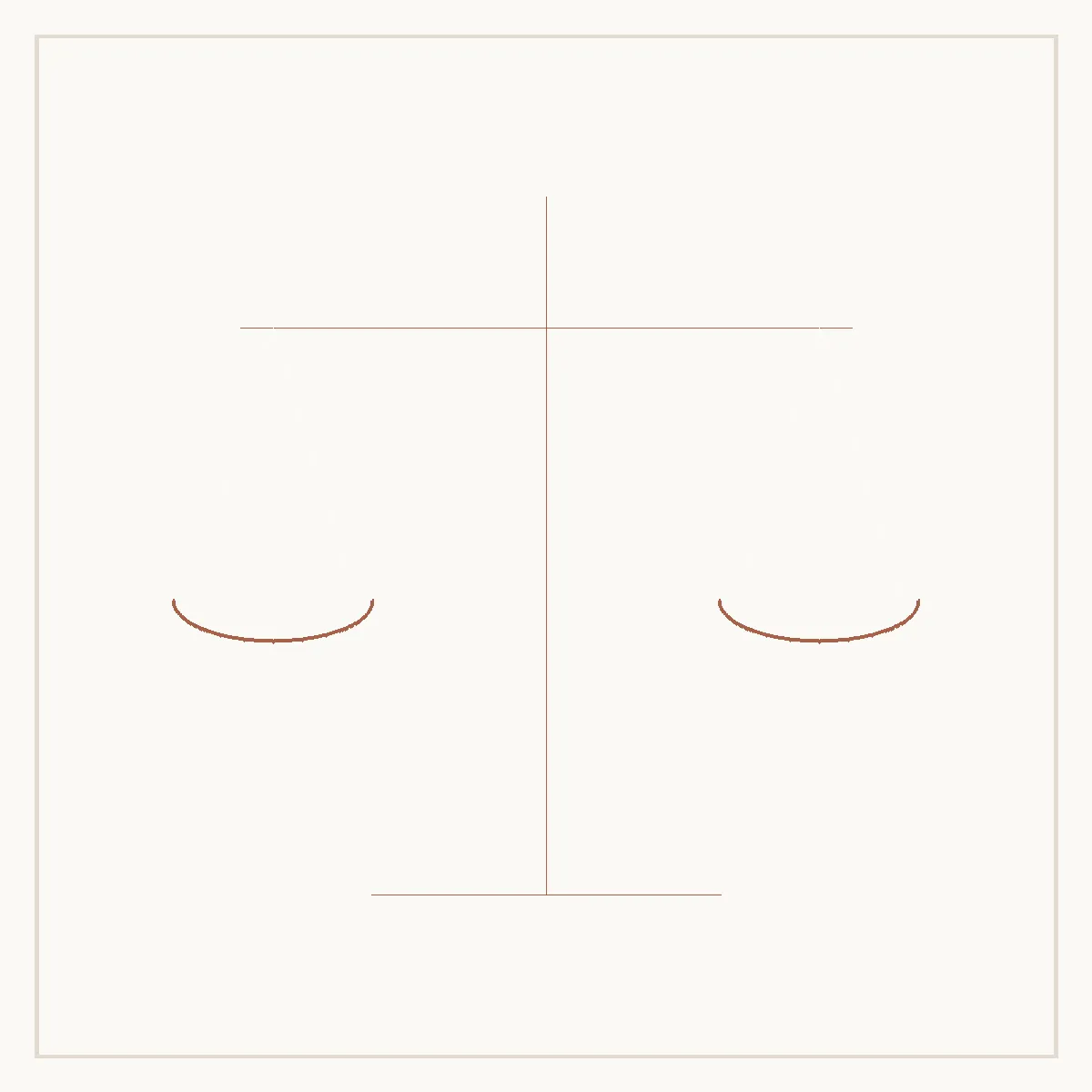
Line drawing of a balance scale with a coat on one side and a stack of t-shirts on the other.

When Spending More Is Not Worth It

An expensive piece is only good value if you wear it. A beautiful coat that does not go with anything else you own, or that is in a colour that does not suit you, will sit in the wardrobe — and its cost per wear will be terrible. Before investing, check that the piece fits your palette, your style and your week.

The most expensive mistake is a costly piece you do not wear. Check it fits your colours, your style and the life you actually lead before paying more for quality.

The personal colour palette generator and the personal style quiz help you check both. The capsule wardrobe builder shows where a piece fits in the whole wardrobe.

Setting a Budget

Investing works best with a plan. The clothing budget calculator splits a budget into three shares — replacing what wears out, seasonal additions, and an investment share that accumulates for the expensive pieces — so a good coat is affordable when you need it rather than an emergency purchase.

For the core pieces with the reasoning attached, see the ten pieces European wardrobes are built on and the year-round capsule wardrobe checklist. To make investment pieces last, read how to care for leather gloves and how to care for a felt hat.

Frequently Asked Questions

Which clothes are worth spending money on?

Coats, shoes, bags, tailored trousers and knitwear — pieces worn often, seen often, and built to last.

What is cost per wear?

The total cost of a piece — price, alterations and cleaning, minus any resale — divided by the number of times you wear it.

Where is it fine to save money on clothes?

Plain t-shirts, trend pieces, occasion wear and items that get lost or wear out quickly.

Is an expensive coat worth it?

Usually, if it fits and you wear it most days of the season. Over many years its cost per wear is low.

How do I avoid expensive mistakes?

Check that a piece suits your colours, your style and your week before paying more for quality.

For the idea behind buying less and better, see slow fashion and the capsule wardrobe.
Winter Accessories Worth Investing In, and What to Skip

Winter accessories are where spending more usually pays off, because they are worn every day for months and sit close to the face or hands where quality shows. But not all of them. Knowing which winter accessories are worth investing in — and which are fine at any price — is the difference between a winter wardrobe that lasts a decade and one that is replaced every year.

This guide covers six worth spending on, what to look for in each, and where cheaper works just as well. More in our European Style guides.

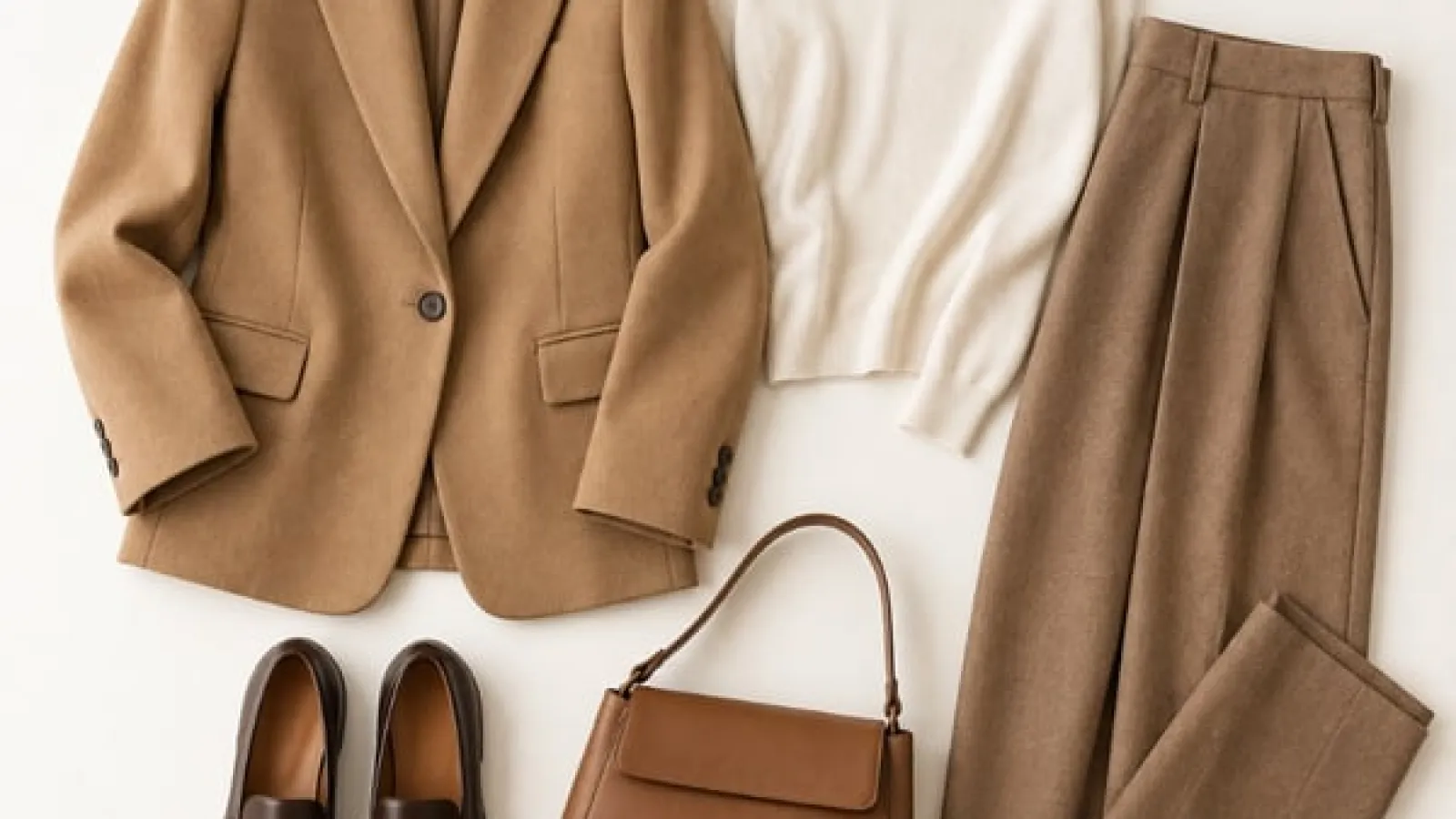
Spend on the accessories worn most and seen most: leather gloves, a wool or cashmere scarf, leather boots and a good bag. Save on the ones that get lost or wear out quickly, such as knit hats and umbrellas.

Six Winter Accessories Worth Investing In

1. Leather Gloves

Why: worn every cold day, and good leather lasts many winters.

What to look for: soft, supple leather; a lining suited to your climate; a snug fit when new, since leather stretches slightly. Measure first with the glove size calculator, and read how to care for leather gloves.

2. A Wool or Cashmere Scarf

Why: worn close to the face all winter, so quality and colour both show.

What to look for: a natural fibre, a generous length, and a colour from your palette — this is where an accent colour does the most work for the least money.

3. Leather Ankle Boots

Why: worn most days from autumn to spring, and a well-made pair can be resoled for years.

What to look for: a walkable heel, a sole that can be replaced, and a waterproofing treatment. See how French women buy shoes.

4. A Felt Hat

Why: a good felt hat lasts decades with care and finishes a winter coat.

What to look for: the right size above all — measure with the hat size calculator — and a style that suits your face shape. See the best hats for your face shape and how to care for a felt hat.

5. A Structured Bag

Why: carried every day, all year, and the piece that finishes a coat.

What to look for: a size that holds what you carry, a strap for crossbody and shoulder wear, and leather that ages well.

6. A Wool Coat

Why: strictly clothing rather than an accessory, but it is the piece every other item on this list is worn with.

What to look for: a shoulder that fits and a high wool content. The fit rules are the same as for a trench coat.

A camel cashmere scarf, brown leather gloves and the brim of a charcoal felt hat side by side on linen.

Where Cheaper Is Fine

  • Knit beanies — easily lost, and a cheap one looks much like an expensive one
  • Umbrellas — they break, get left on trains, and rarely last
  • Touchscreen gloves for commuting — useful, but they wear out fast
  • Trend-colour scarves you will not wear next year
  • Tights and thermal layers — replaced regularly regardless of price

Is It Worth the Money?

The test is cost per wear. A pair of leather gloves worn most days for four months a year, for eight years, is worn hundreds of times; even an expensive pair works out at very little each time. A cheap pair that cracks after one season often costs more per wear in the end.

Put in the price, any care or repair costs, and a realistic number of wears.

For the full list of pieces worth spending on across the year, read which pieces are worth spending on. If you have a clothing budget to stick to, the clothing budget calculator splits it into replacing, seasonal and investment shares.

Choosing Colours That Last

Invest in neutrals that work with your coat and each other — camel, charcoal, navy, brown, black — and let a scarf carry any accent colour. The personal colour palette generator shows which neutrals and metals suit you, and gold or silver for your undertone covers the hardware on bags and gloves.

Buy the scarf in a colour that suits your face and the gloves and bag in a neutral that suits your coat. The scarf is seen close up; the others are seen from a distance.

Travelling in Winter

Wear the heaviest accessories — boots, coat, hat — rather than packing them; nothing you are wearing counts towards your luggage allowance. See what to wear in Europe in winter and what to wear in Europe month by month, and check the case with the luggage weight calculator.

Frequently Asked Questions

Which winter accessories are worth investing in?

Leather gloves, a wool or cashmere scarf, leather boots, a felt hat and a good bag. They are worn most, seen most and last longest.

Is a cashmere scarf worth it?

Usually, if you wear it most days. It sits close to the face, is soft against the skin, and lasts many winters with care.

Are expensive leather gloves worth it?

Good leather gloves worn most days for several winters have a very low cost per wear, and last far longer than cheap ones.

What winter accessories can I buy cheaply?

Knit beanies, umbrellas, touchscreen gloves and trend-colour scarves — things that get lost, wear out quickly or date fast.

What colour winter accessories should I buy?

Neutrals that work with your coat for gloves, boots and bags, and a colour that suits your face for the scarf.

For background on the fibres, see cashmere and leather.