What to Wear in Europe in Winter: A Warm, Light Packing List

A European winter asks a wardrobe to do two opposite things: keep you warm outdoors, often in rain or snow, and let you cool down quickly the moment you step into an overheated museum, café or train. Knowing what to wear in Europe in winter is mostly a matter of layering — thin, warm pieces that come off easily — rather than one heavy outfit.

This guide covers the layering system, the pieces to pack, the difference between the north and the south, and how to keep the case light. More in our Europe Travel Fashion guides.

Dress in thin layers under a warm, waterproof-ish coat. Wear waterproof boots, and never skip gloves, a scarf and a hat. Layers you can remove matter more than any single warm piece.

How Cold Is a European Winter?

It depends heavily on where you are. Northern and central cities — London, Amsterdam, Berlin, Prague, Vienna, Copenhagen — are cold from December to February, with short days and frequent rain, sleet or snow. Southern cities such as Rome, Lisbon and Madrid are milder, but evenings are cold and houses and older buildings can feel chilly.

The month-by-month picture is in what to wear in Europe month by month. Always check the forecast for your destination before packing.

The Layering System

Base Layer

A thin, warm layer against the skin — merino or a fine thermal top. It keeps heat in without bulk, and merino stays fresh for more than one wear.

Middle Layer

A fine knit or cardigan. This is the layer you remove indoors, so it should look good on its own over the base layer.

Outer Layer

A warm wool coat or a padded coat that blocks wind. It does most of the work outdoors and is the piece seen most.
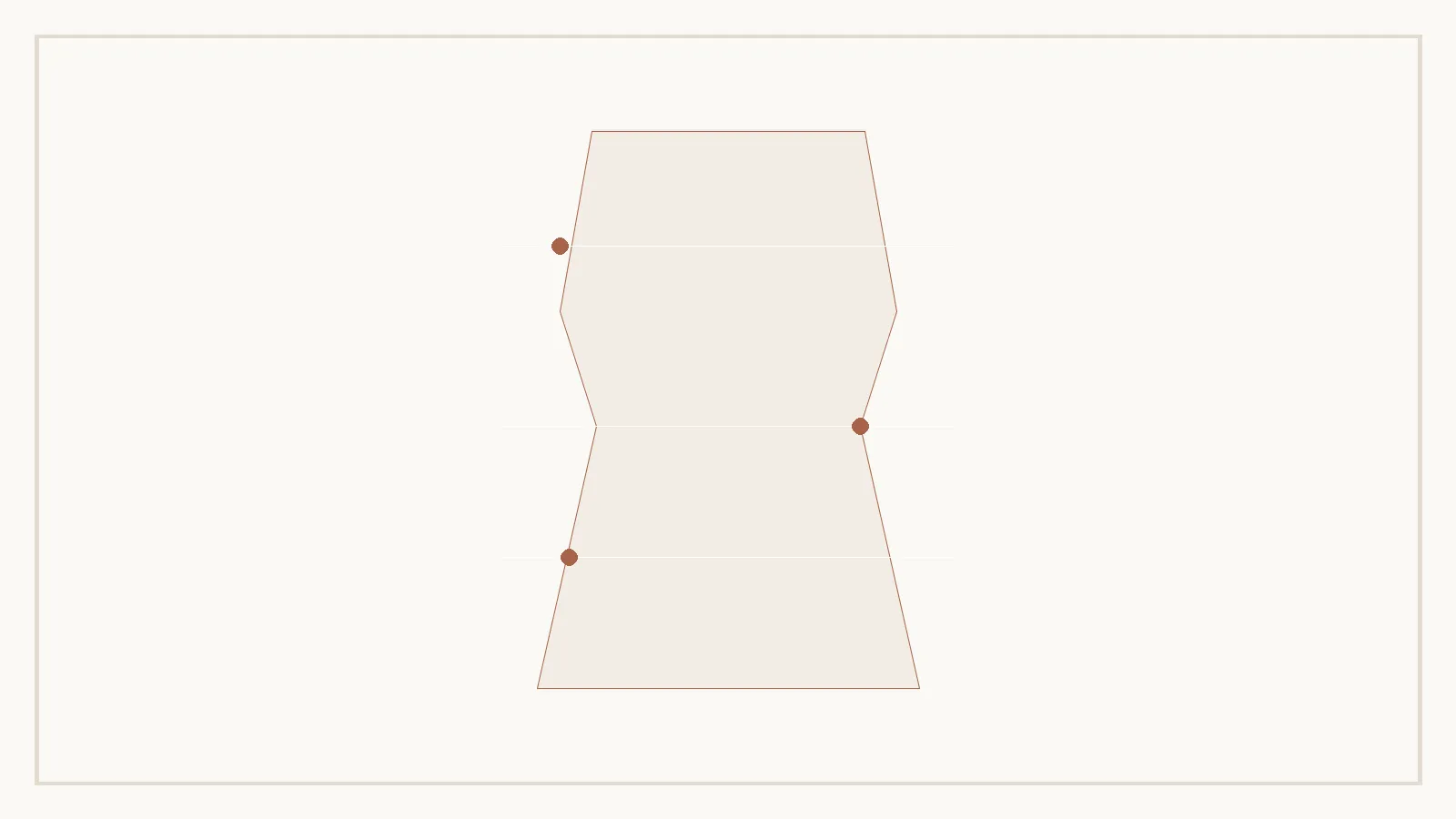
Line drawing of three layers: a thin base top, a fine knit and a long wool coat. Choose a middle layer that looks good on its own. In a European winter you will spend as much time indoors in warm museums and cafés as outdoors, and that is the layer everyone sees.

The Europe Winter Packing List

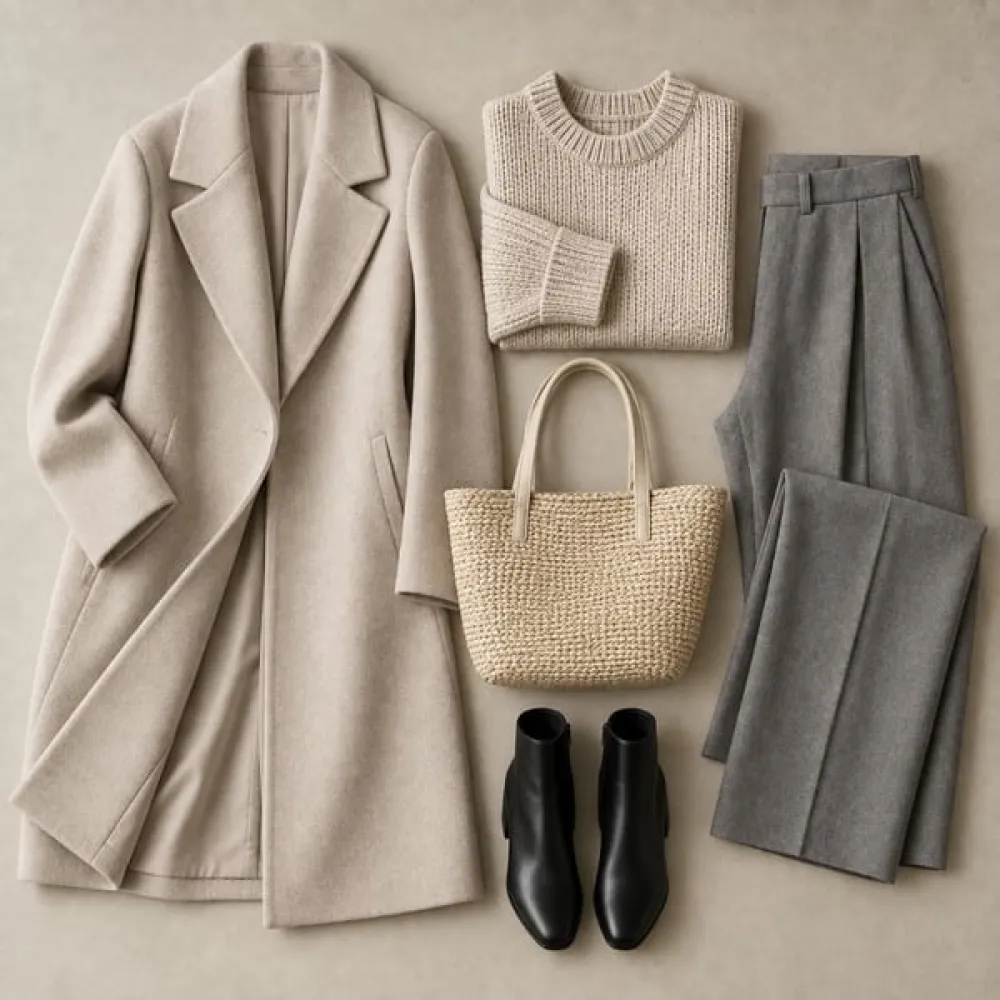
  • One warm coat, worn on the plane
  • Two thin base layers in merino or thermal fabric
  • Two or three fine knits
  • Two pairs of trousers or jeans
  • One dress with tights, for evenings
  • Waterproof ankle boots, worn on the plane
  • One smarter pair of shoes
  • Leather gloves
  • A wool or cashmere scarf
  • A warm hat
  • Warm socks and tights
  • A compact umbrella

The Coat

The most important piece. A shoulder that fits over a knit, a length at least to the hip, and ideally some wind and rain resistance. The fit rules are the same as for a trench coat.

Boots

Waterproof, with a sole that grips wet stone and a heel you can walk on all day. Treat new leather boots with a waterproofing product before you go — see how French women buy shoes for care.

Gloves, Scarf and Hat

The three smallest items make the biggest difference to warmth. Choose leather gloves that fit snugly — the glove size calculator helps — and a hat in the right size, measured with the hat size calculator. Winter accessories worth investing in covers which to spend on.

Wear the heaviest items — coat and boots — on the plane rather than packing them. Nothing you are wearing counts towards your luggage allowance, and a winter coat and boots can weigh more than everything else in the case.

North Versus South

Northern and centralSouthern
CoatWarm wool or paddedMedium-weight wool or trench
ShoesWaterproof bootsClosed shoes or ankle boots
AccessoriesGloves, scarf and hat essentialScarf, light gloves for evenings
LayersThermal base layer usefulA knit is usually enough

Christmas Markets and Evenings Outside

December’s Christmas markets mean long evenings standing still outdoors, which feels much colder than walking. Add an extra base layer, warm socks and a hat, and keep the gloves on. Standing still is when a European winter catches people out.

Keeping the Case Light

Winter clothes are bulky and heavy. Choose a narrow palette so every knit works with every trouser, and you will need fewer of each. The personal colour palette generator helps set one, and the capsule builder has a cold-climate preset.

Check the weight with the luggage weight calculator — shoes and the case itself are usually heavier than the clothes. For hand luggage only, see how to pack a carry-on for a week in Europe. Once you are there, what should I wear today suggests an outfit from the temperature. For style inspiration from a city that dresses for weather, read Copenhagen style. And to keep leather in good shape after a wet trip, how to care for leather gloves.

Frequently Asked Questions

What should I wear in Europe in winter?

Thin warm layers under a warm coat, waterproof boots, and gloves, a scarf and a hat. Layers you can remove indoors matter more than one heavy outfit.

Do I need snow boots for Europe?

Usually not for cities. Waterproof leather ankle boots with a grippy sole handle rain, sleet and light snow.

How many coats should I pack?

One, worn on the plane. A warm coat that works with everything you pack is enough for most trips.

Is southern Europe warm in winter?

Milder than the north, but not warm. Evenings are cold, and a medium-weight coat and a knit are still needed.

What colours should I pack for winter?

A narrow palette of neutrals — charcoal, navy, camel, black — with one accent colour in a scarf, so everything combines.

For an overview of winter weather across the continent, see the climate of Europe, and for why merino works as a base layer, merino.
Copenhagen Style: 10 Lessons Worth Borrowing

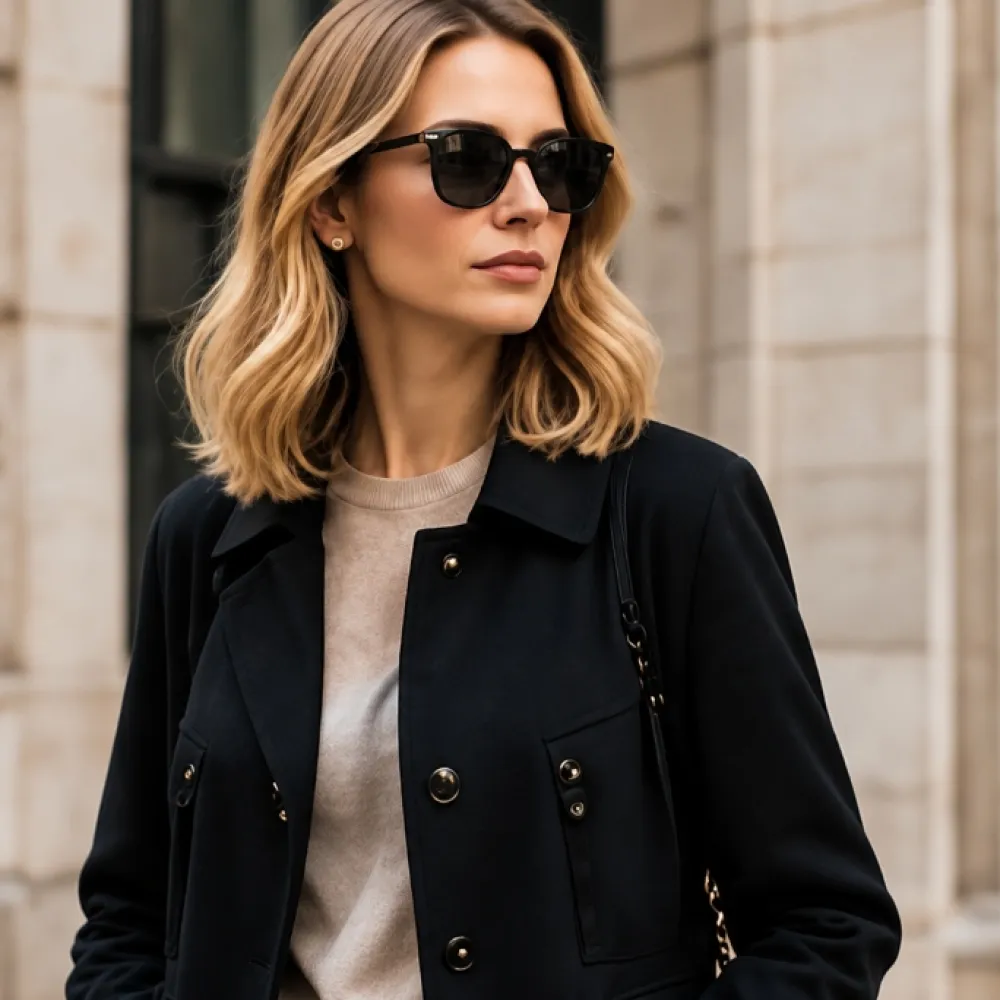
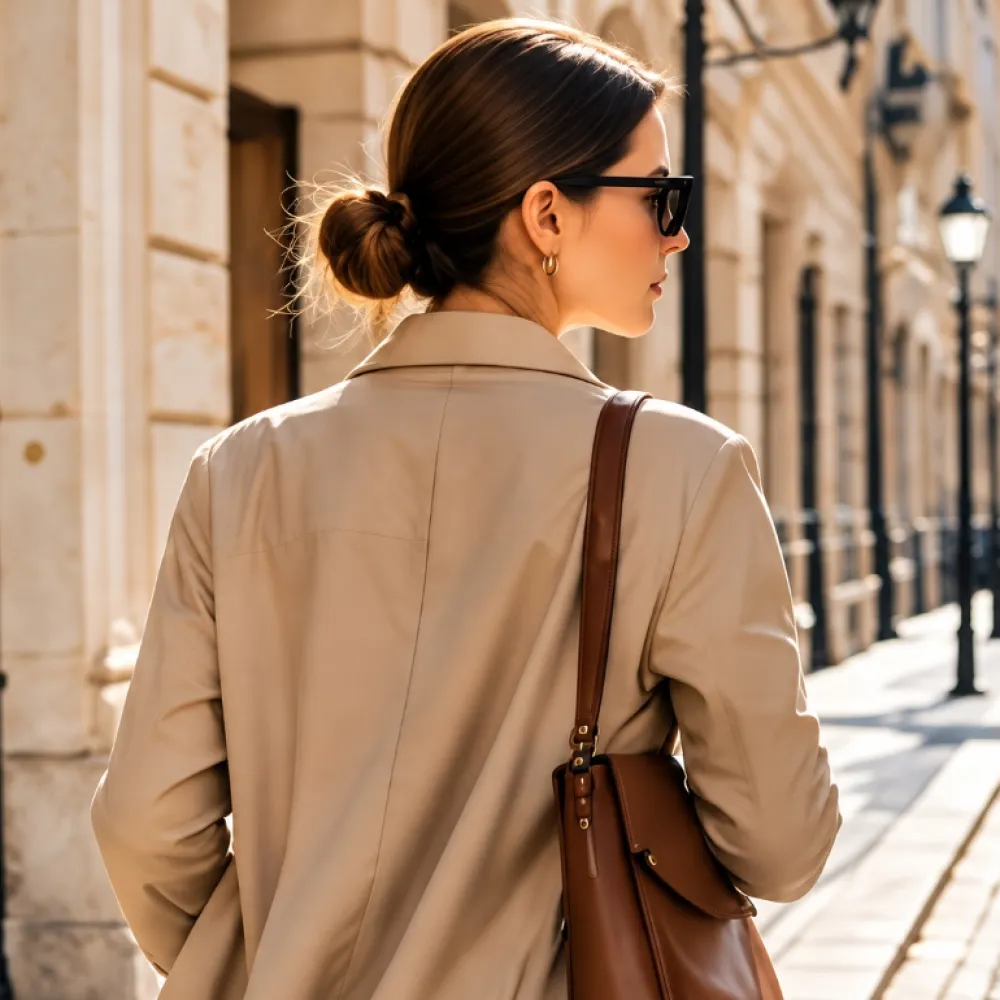
Copenhagen style is the European look that travels best, and the reason is practical rather than aesthetic. It is a city where a great many people cycle, where rain arrives without much warning, and where winter is long and dark. Clothes have to work on a bicycle, survive weather and still look deliberate at a desk. The style that grew out of that is relaxed without being careless — which is precisely what most people are trying to achieve and rarely manage.

It differs from Paris and Milan in useful ways. Where Milan keeps everything tonal and tailored, Copenhagen mixes tailoring with trainers. Where Paris keeps to a narrow palette, Copenhagen uses colour and print more freely. Ten lessons from it that work in any city, from our European Style series.

Copenhagen style is built on practicality first and polish second. Clothes that work on a bicycle and in the rain, worn with enough intention that they still look chosen.

Copenhagen Style: Ten Lessons

1. Tailoring With Trainers

A blazer or wide trousers worn with clean white trainers. The contrast between a formal piece and a casual one is the look itself, not a compromise between two looks.

2. Dress for the Weather First

A good rain jacket is treated as a style piece rather than an afterthought. Build the outfit around what the day’s weather needs, then make it look intentional.

3. Everything Must Work on a Bicycle

Hem lengths, skirt widths and shoes that let you move freely. It is a useful test even in cities where nobody cycles: if you could not ride in it, you probably cannot walk far in it either.

4. Oversized, but Deliberately

Volume in one place — a big shirt, a wide trouser — balanced by something closer-fitting elsewhere. Oversized everywhere reads as the wrong size.

5. Colour as a Point, Not a Theme

One piece in a strong colour or print against neutrals, rather than an all-over colourful outfit. The outfit colour combination generator shows which accents work with which neutrals.

6. Layers You Can Take Off

Days change temperature, sometimes several times. A knit that comes off, a jacket that folds into a bag, a shirt that works on its own.

7. Second-Hand as the Default

Buying used is common and unremarkable, which is part of why wardrobes there look personal rather than bought as a set. A vintage coat with good tailoring reads better than a new one that looks like everyone else’s.

8. Comfort Is Not a Concession

Nothing on this list requires suffering. If it pinches, rubs or needs constant adjusting, it does not belong in the wardrobe.

9. Hair and Face Kept Simple

The clothes carry the interest. Undone hair and minimal makeup keep the whole look relaxed rather than styled.

10. Repetition Without Apology

The same trousers several times a week, and nobody considers it worth remarking on. It is the same principle behind how European women dress generally.

Copenhagen Fashion Week is widely known for introducing sustainability requirements that brands must meet to show on its schedule — an unusual stance for a fashion week, and a fair reflection of the city’s attitude to clothes.

How Copenhagen Differs From Paris and Milan

CopenhagenParisMilan
ShoesTrainers with everythingFlats and ankle bootsLoafers and heels
PaletteNeutrals with one bold colourNarrow, navy and blackTonal warm neutrals
TailoringOversized, mixed with casualFitted, understatedSharp, formal
OuterwearWeather-first, rain jacketsThe trench coatStructured wool coats
OverallPractical, relaxedRestrained, deliberatePolished, tonal
Copenhagen outfit laid flat: grey oversized blazer, indigo jeans, white t-shirt, white trainers and a cobalt bag. Paris outfit laid flat: navy coat, striped top, black trousers, black ballet flats and a burgundy bag. Milan outfit laid flat: camel blazer, tan wide trousers, cream knit top, brown loafers and a tan bag. These are tendencies, not rules. Every city has people dressing against its type, and the table describes a pattern rather than every person in it.

For the Paris side of the comparison, see the trench coat and how French women buy shoes.

Borrowing the Style for Colder Months

Copenhagen style is at its most useful in winter, because it was built for one. The formula stays the same — a practical outer layer, something relaxed underneath, one strong piece — with warmer fabrics and a waterproof boot in place of the trainer.

Our guides to what to wear in Europe in winter and what to wear in Europe month by month apply the same thinking across the year. For a daily suggestion based on the weather, try what should I wear today.

Is Copenhagen Style Right for You?

Copenhagen style suits people whose personal style leans natural or edgy — relaxed shapes, contrast, comfort. Someone whose style is classic or romantic may take individual lessons without taking the whole look, and that is entirely reasonable.

The personal style quiz tells you your dominant and secondary style, and which of these lessons will feel natural rather than borrowed.

If you are building a Copenhagen-leaning wardrobe from scratch, the capsule wardrobe builder produces a list for your climate and your week, and the ten pieces European wardrobes are built on covers the core.

Frequently Asked Questions

What is Copenhagen style?

A practical European look built for cycling and weather — tailoring with trainers, weatherproof layers, oversized shapes and colour used as a single point of interest.

How is Copenhagen style different from French style?

Copenhagen is more relaxed and more willing to use colour and trainers. French style is more restrained, with a narrower palette and flats or ankle boots.

What shoes do people wear in Copenhagen?

Clean trainers with almost everything, including tailoring. Boots in winter. Comfort for walking and cycling comes first.

Can I wear Copenhagen style in a warm climate?

The principles travel — oversized shapes, one colour accent, practical shoes. Swap the rain layers for lighter fabrics.

Is Copenhagen style expensive?

Not necessarily. Second-hand buying is common there, and the look depends more on how pieces are combined than on what they cost.

To learn more about the city’s fashion calendar, see Copenhagen Fashion Week, and for planning a visit, Visit Copenhagen.