Jeans for Tall Women: Inseam, Rise and the Fits That Work

Most women’s jeans are cut for an average height, which leaves taller women with a familiar list of problems: hems that stop at the ankle, a rise that sits lower than the label suggests, and a knee that lands in the wrong place. Finding jeans for tall women is partly a matter of finding longer lengths — and partly a matter of understanding why a longer leg needs more than extra fabric at the hem.

This guide covers the inseam to look for, why rise matters as much as length, and the fits that work best on a longer frame. More in our Size Guides section.

Measure your inseam and look for jeans offered in a long or tall length, not just a regular pair with a long hem. A true tall cut adjusts the rise and the knee as well as the length.

The Inseam You Actually Need

The inseam is the distance from the crotch seam to the hem, and it is the single most important number for a tall reader. Measure from the crotch to the point where you want the hem to fall, standing straight, ideally with someone else holding the tape.

Choose the inseam for the shoe you wear most. A flat shoe and a heeled boot need different lengths, and a hem that is right with one will look short or long with the other. Full instructions are in how to measure for jeans.

Measure a pair you already own that fits well in length, from the crotch seam to the hem. That number is often more reliable than measuring yourself.

Why Length Is Not the Only Problem

Rise

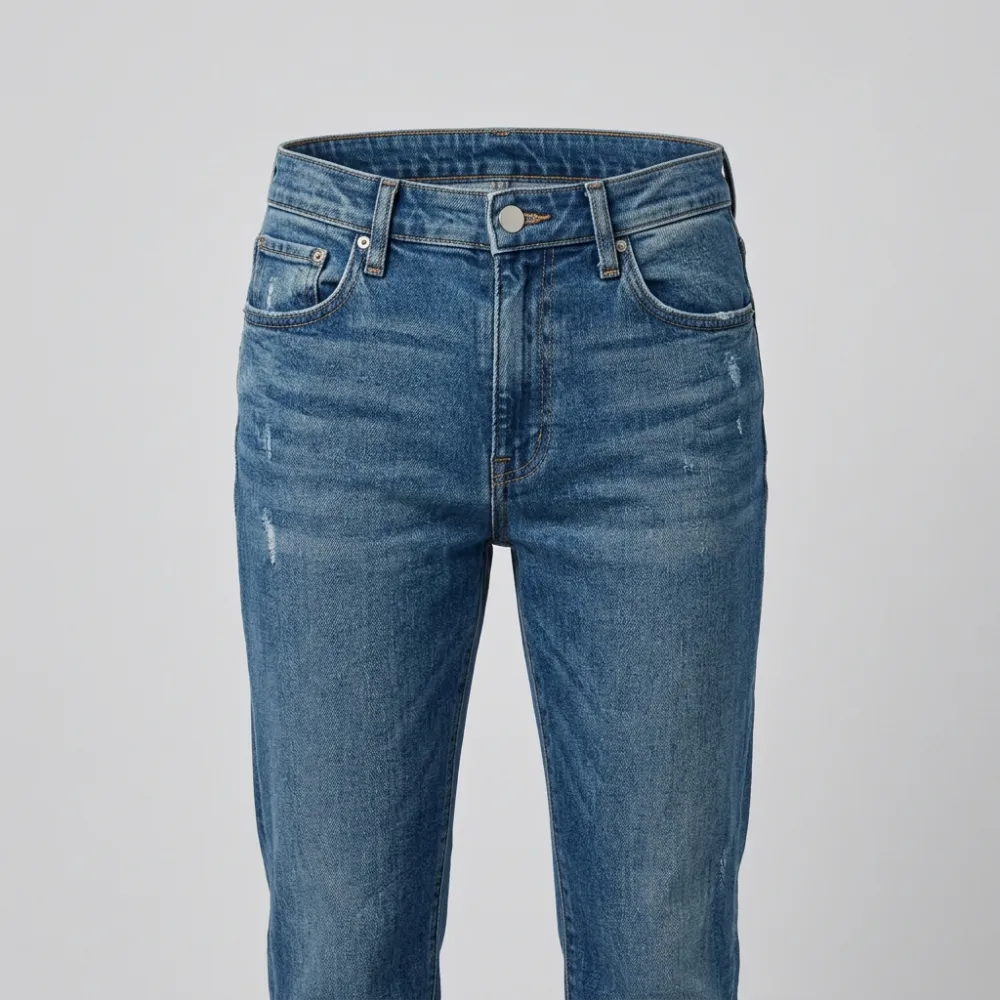
A longer torso means a standard rise sits lower on a tall frame than the pattern intended. A jean sold as high-rise can sit closer to a mid-rise, and a mid-rise can sit noticeably low. Tall-specific cuts usually lengthen the rise as well as the leg.

The Knee

On a longer leg, the knee of a regular-cut jean can sit above your actual knee. It is most visible in fitted and flared styles, where the shape of the leg changes at the knee.

This is why a genuine tall cut fits better than a regular jean bought long. The whole pattern is proportioned for a longer frame, not just extended at the hem.
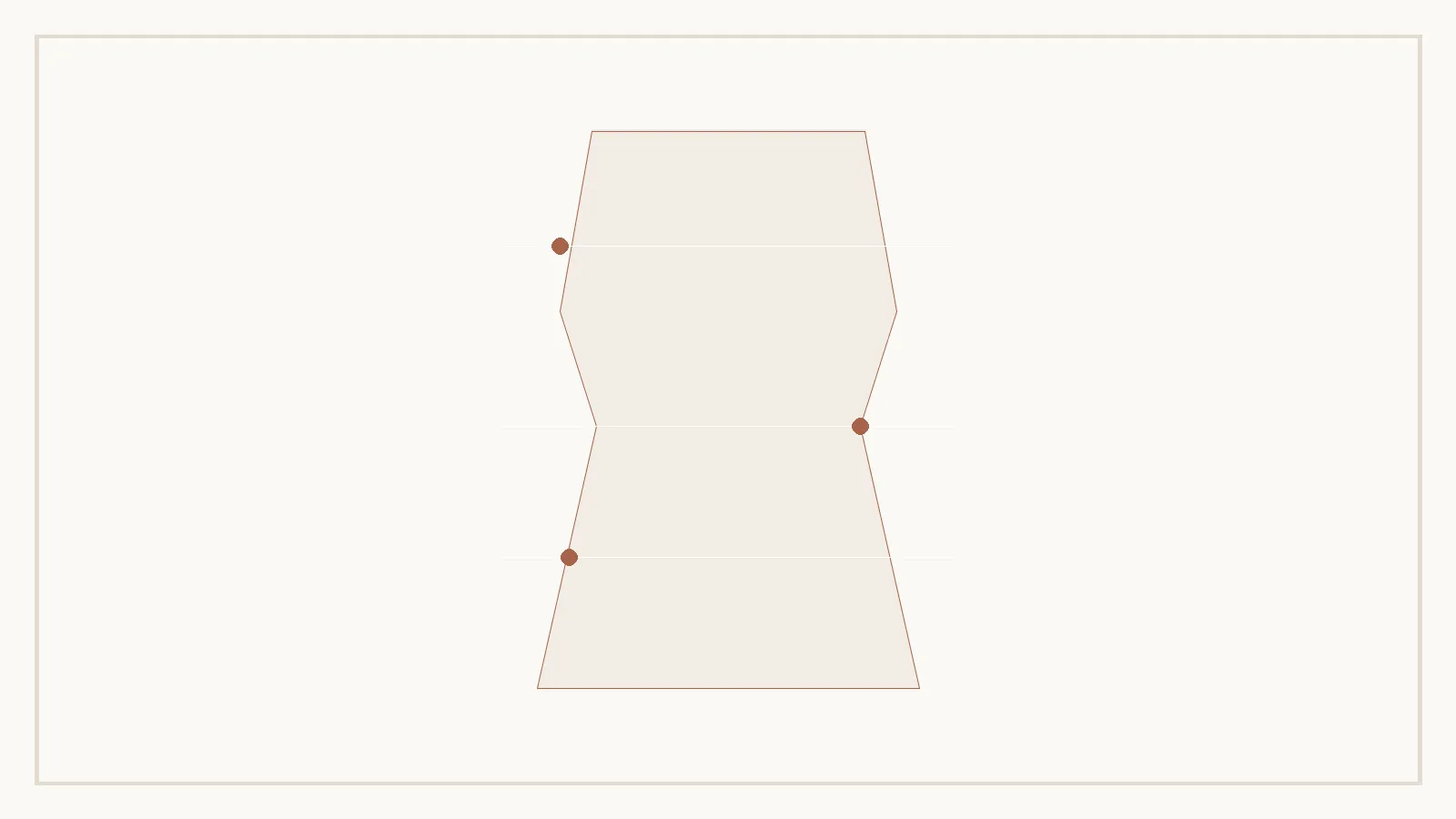
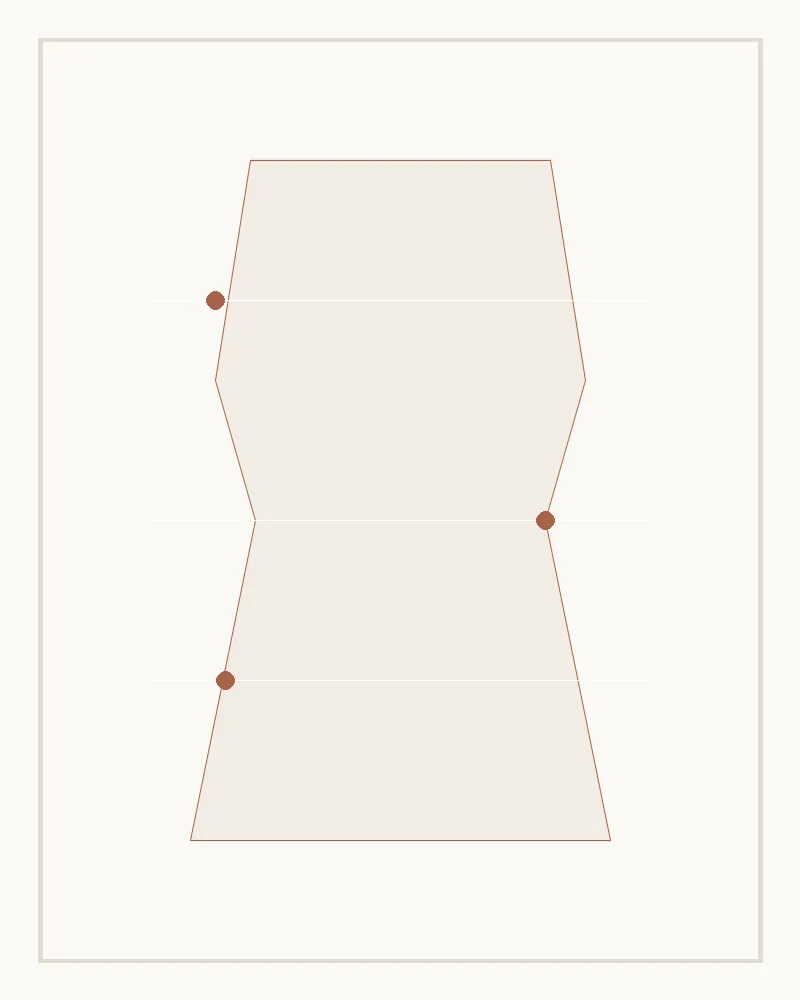
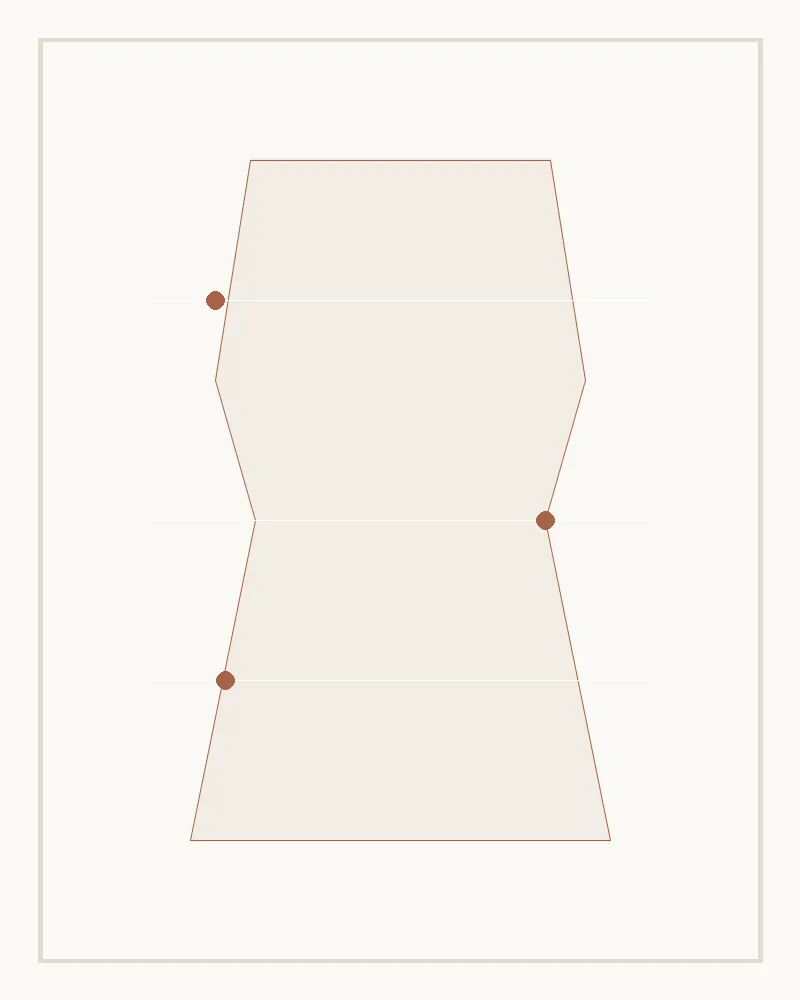
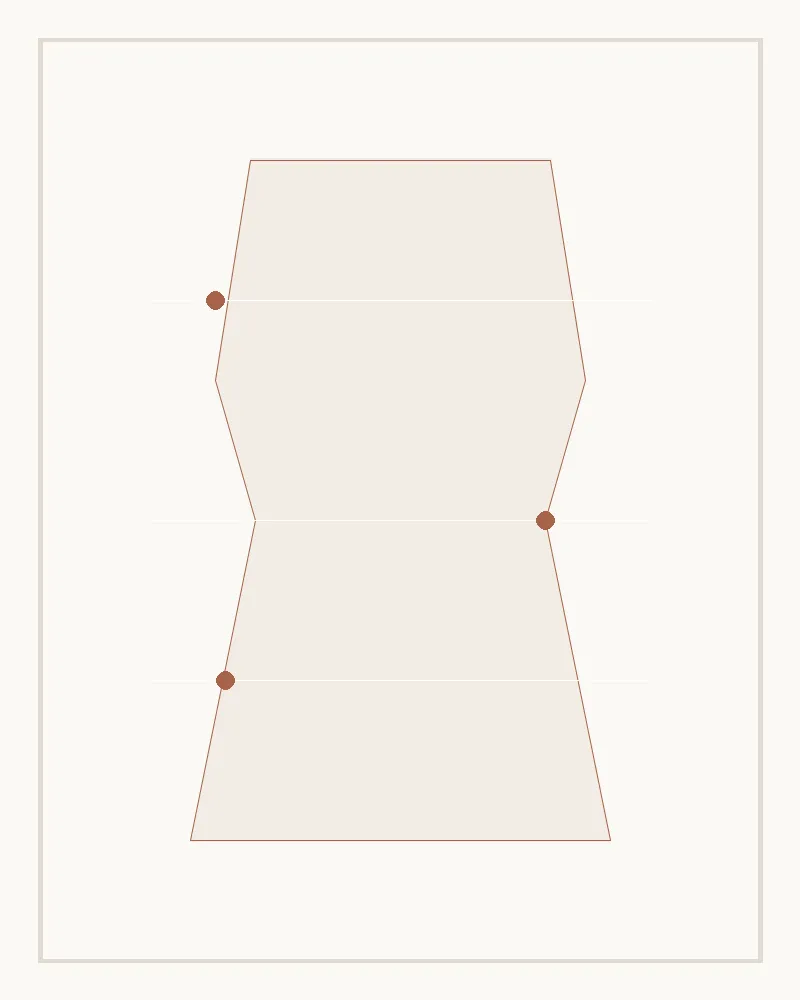
Line drawing comparing a regular jean lengthened at the hem with a tall cut that has a longer rise and a lower knee.

Fits That Work on a Longer Frame

Straight Leg

The most forgiving on length. A slight break over the shoe looks deliberate, and a straight leg carries a small length shortfall better than any other cut.

Wide Leg

Needs its full length to work. A wide leg that stops short looks like a mistake rather than a choice, so this is the cut where a tall length matters most after the flare.

Flare

The fit where length matters most of all. A flare has to reach the shoe, ideally almost the floor, or the proportion falls apart.

Barrel

The curved leg reads well on a long frame and is often cut slightly cropped anyway, which takes some pressure off the inseam.

Cropped

The one style where being tall is simply an advantage. A deliberately cropped jean needs no extra length at all and looks intentional at any height.

Being tall is not a fitting problem to solve. It is a proportion, and the fits above work with it rather than around it.

Where to Find Longer Lengths

Many denim brands offer their core styles in more than one length — often labelled short, regular and long, or by inseam in inches. Fewer offer long lengths across their whole range, so it is worth filtering by inseam on the product page rather than assuming.

Look for the inseam listed in the product details, not just a size. A brand that lists 32, 34 and 36-inch inseams on the same style is one that has thought about tall customers; a brand that lists a single length has not. For an example of how one brand labels waist and length, see the Levi’s size chart explained.

  • Know your inseam, measured from a pair that fits
  • Filter by length or inseam on the product page
  • Check the rise in inches, not just “high” or “mid”
  • Choose the length for the shoe you wear most
  • Check the fabric — rigid denim can shrink slightly in length when washed

Converting Your Size

Once you know your waist, hips and inseam, the converter turns them into sizes across systems and shows how brands compare.

For what to check once the jeans arrive, read how jeans should fit; for which cut suits your proportions, jeans for your body shape and the body shape calculator. For dresses and trousers beyond denim, the clothing size converter works the same way.

When to Hem Instead

If a long length is slightly too long, hemming is quick and inexpensive, and a tailor can keep the original worn hem if you prefer that finish. It rarely changes whether a pair is worth buying.

Include the cost of hemming in the cost per wear calculator — it almost never changes the answer. And if you are regularly between lengths, what to do between sizes covers the same logic for waist and hip.

Frequently Asked Questions

What inseam do tall women need?

It depends on leg length and the shoes you wear most, which is why measuring beats a general figure. Measure a well-fitting pair from the crotch seam to the hem.

Why do jeans fit tall women badly even when long enough?

A regular cut bought long extends the hem but not the rise or the knee. A proper tall cut proportions the whole pattern.

What jeans suit tall women best?

Straight, wide-leg, flare and barrel fits all work well when the length is right. Cropped styles suit tall women without any extra length.

Should tall women buy high-rise jeans?

Often, yes, because a standard high rise sits lower on a longer torso and reads closer to a mid rise.

Can I hem jeans that are too long?

Yes, quickly and cheaply. A tailor can also keep the original worn hem if you prefer that finish.

For background on how the fabric is made, see denim, and on how garment inseam is defined, inseam.
How to Measure for Jeans: Your Body, or a Pair That Fits

Jeans are the hardest thing to buy online, because denim sizing varies more between brands than almost any other garment and because five different measurements affect the fit. Learning how to measure for jeans takes ten minutes and a tape measure, and removes most of the guesswork from ordering.

There are two ways to do it: measure your body, or measure a pair of jeans that already fits you well. Both are covered below. When they disagree, the pair that fits is usually the better guide — it already reflects how you like denim to sit. More in our Size Guides section.

Measure a pair of jeans that already fits well, laid flat. It is usually more accurate than measuring your body, because it captures how you actually like jeans to fit.

What You Need

  • A soft, flexible tape measure
  • A flat surface such as a table or the floor
  • A pair of jeans that fits you well, if you have one
  • Someone to help with the inseam, if measuring your body
  • Somewhere to write the numbers down

How to Measure Your Body for Jeans

Waist

Measure where the jeans will actually sit, which is not always your natural waist. A high-rise jean sits near the natural waist; a mid-rise sits lower, around the top of the hip bones. Keep the tape level and snug, but not tight.

Hips

Measure around the fullest part of your hips and seat, standing with your feet together. Keep the tape parallel to the floor all the way round.

Inseam

Measure from the crotch down the inside of the leg to the point where you want the hem. Stand straight, and have someone else hold the tape if you can — bending to read it changes the number.

Rise

The distance from the crotch to where the waistband sits. It decides whether a jean feels high or low, and is easiest to take from a pair of jeans rather than your body.

Thigh

Around the fullest part of one thigh, just below the crotch. It matters most for slim and straight fits.

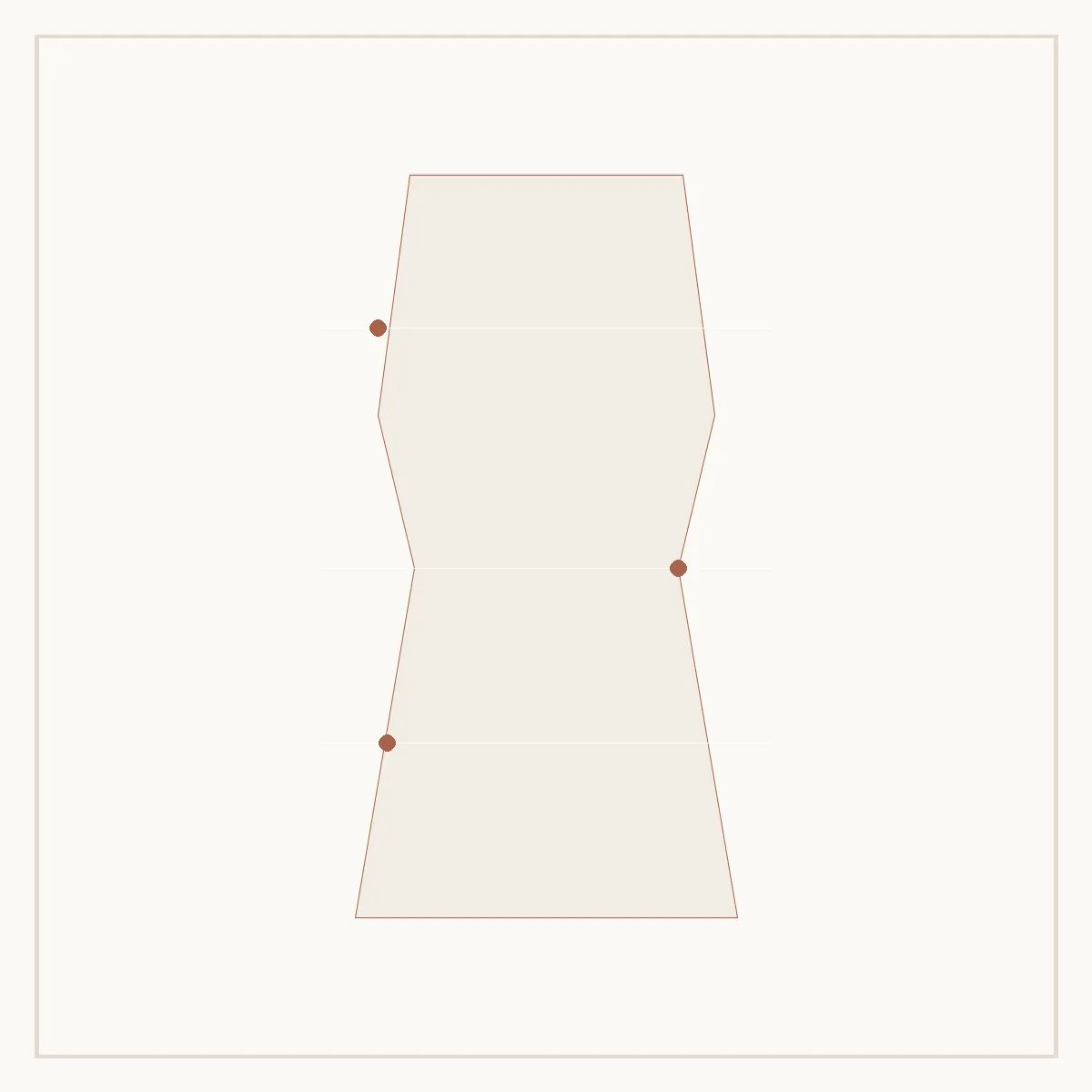
Line diagram of a pair of jeans marking five measurements: waist, hip, inseam, rise and thigh. Measure over thin underwear, standing naturally. Breathing in or pulling the tape tight gives a number that fits for about a minute.

How to Measure a Pair of Jeans That Fits

The more accurate method. Lay the jeans flat, buttoned and zipped, and smooth out any wrinkles.

Waist

Straight across the top of the waistband from edge to edge, then double the number.

Hip

Straight across, about three inches below the bottom of the waistband, then double it.

Inseam

From the crotch seam down the inside leg seam to the hem.

Front Rise

From the crotch seam straight up to the top of the waistband at the front.

Leg Opening

Straight across the hem, then double it. Useful when comparing straight, wide and slim fits.

Stretch denim measured flat will read smaller than it wears. Compare it with the stretch content of the jeans you are buying — a rigid pair and a stretch pair with the same flat measurement will not fit the same.

When the Two Methods Disagree

Body measurements tell you what you are; garment measurements tell you what you like. Most people wear jeans slightly looser or tighter than their body measurement suggests, and the pair you reach for every week already encodes that preference.

Where the two disagree, trust the garment — unless the pair you measured is one you have never been quite happy with. In that case, use your body measurements and read how jeans should fit to decide how much ease you want.

Your jeans waist size is the same as your natural waist measurement. Jeans sit wherever their rise puts them, which is often below the natural waist, and stretch fabrics are cut smaller than the body measurement. Measure where the jeans will actually sit.

Turning Measurements Into a Size

Enter your waist and hips, and your inseam if you have it. The converter gives your size across systems and shows how brands compare.

For an example of how one brand labels waist and length, see the Levi’s size chart explained. If you are tall, read jeans for tall women; for which cut suits your proportions, jeans for your body shape and the body shape calculator. The same measuring habits apply to dresses — see how to measure for a dress and the dress size calculator. Between sizes? What to do between sizes covers it.

Frequently Asked Questions

How do I measure myself for jeans?

Measure your waist where the jeans will sit, your hips at the fullest part, your inseam from crotch to hem, and your rise. Keep the tape snug but not tight.

Where should I measure my waist for jeans?

Where the jeans will sit, which depends on the rise — near the natural waist for high rise, lower for mid rise.

How do I measure my inseam?

Stand straight and measure from the crotch to where you want the hem. It is easier and more accurate with someone else holding the tape.

Is it better to measure myself or my jeans?

A pair of jeans that already fits well is usually the more accurate guide, laid flat and measured.

What is the rise on jeans?

The distance from the crotch seam to the top of the waistband. It decides whether the jeans sit high or low on your body.

For background on how clothing sizes are standardised, see EN 13402, the European size-labelling standard, and on the measurement itself, inseam.

How Should Jeans Fit? Seven Checkpoints, Waist to Hem

Jeans that fit well are surprisingly specific. The waistband sits without gaping or digging, the seat follows you without pulling, and the hem falls where you meant it to. Most jeans that feel wrong are wrong in one or two of these places, and knowing which ones tells you whether the answer is a different size, a different cut or a tailor.

This guide walks through how jeans should fit at seven checkpoints, and what to do when one of them is off. More in our Size Guides section.

If a pair is wrong in one place, it is often the cut rather than the size. If it is wrong everywhere, it is the size. Knowing the difference saves a lot of returns.

How Jeans Should Fit: Seven Checkpoints

1. The Waistband

It should sit flat all the way round without digging in, with room for two fingers to slide in comfortably.

If it is off: gaping at the back is covered in its own section below; digging in means the waist is too small.

2. The Rise

It should sit where the style intends — high at the natural waist, mid a little lower — and stay comfortable when you sit down.

If it is off: if the back pulls down when you sit, the rise is too short for you.

3. The Seat

It should follow the body without pulling across or bagging.

If it is off: horizontal lines pulling across mean too small; loose fabric means too big or the wrong cut.

4. The Thigh

There should be room to move without the fabric stretching flat against you.

If it is off: pulling here with a loose waist usually means you need a different cut rather than a bigger size.

5. The Knee

It should sit at your knee, which matters most in fitted and flared styles.

If it is off: this is common for taller or shorter readers in a standard length — see jeans for tall women.

6. The Length

It should fall where you want it for the shoe you wear most.

If it is off: a hem is an easy and inexpensive fix.

7. The Pockets

The back pockets should sit centred on each side, not drifting towards the middle or the sides.

If it is off: drifting pockets are usually a sign the size is wrong at the seat.

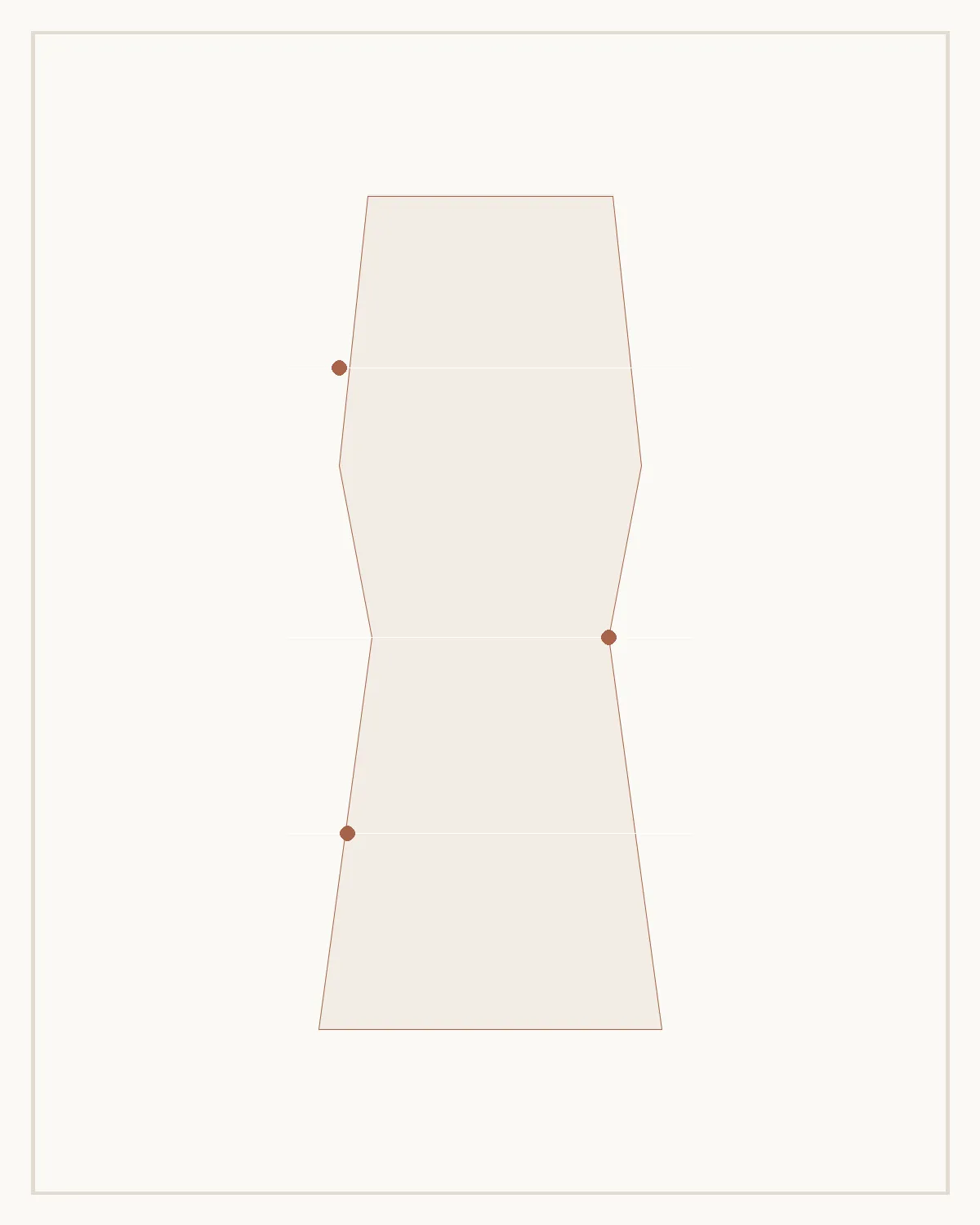
Line diagram of the back of a pair of jeans with seven numbered fit checkpoints from waistband to hem.

The Waist Gap

A gap at the back of the waistband is one of the most common fit complaints. It happens when the waist is smaller in proportion to the hips than the pattern assumes. It is a proportion issue with the garment, not a problem with the body.

There are three fixes. A cut with a contoured or curved waistband follows the shape more closely. Sizing to fit the hip and having the waist taken in works with almost any pair. And a tailor can take in a waistband quickly — it is one of the simplest alterations there is. Jeans for your body shape covers which waistbands to look for.

The back of a pair of jeans with a gap standing away from the waist. The same jeans after the waist was taken in, with the waistband sitting flat. Size to fit your hips and have the waist taken in. It is a routine alteration, and the reverse — letting out a waist — is often impossible.

Rigid Versus Stretch Denim

Rigid denimStretch denim
First wearStiff and snugComfortable immediately
Over timeSoftens and gives a littleRelaxes, sometimes a lot
How to buySnug, not tightClose-fitting, since it relaxes
Holds its shapeVery wellLess well over a day

Check the fabric composition on the label. Even a small percentage of elastane changes how the jeans will wear.

Signs the Size Is Wrong

Too Small

  • Pulling lines across the seat or thighs
  • A waistband that digs in
  • Back pockets pulled apart
  • Discomfort when sitting down

Too Big

  • A waistband that needs a belt to stay up
  • Loose fabric at the seat
  • Back pockets sagging
  • The crotch sitting noticeably low

Getting the Size Right Before You Order

Most fit problems start before the jeans arrive. The converter uses your measurements rather than a remembered size.

Read how to measure for jeans first, and what to do between sizes if you land on the line. For an example brand chart, see the Levi’s size chart explained. The body shape calculator helps choose the cut, and if an alteration is needed, put its cost into the cost per wear calculator. For other trousers and dresses, the clothing size converter works the same way.

Frequently Asked Questions

How should jeans fit?

A flat waistband with room for two fingers, a seat that follows without pulling, room in the thigh, and a hem that falls where you want it.

How tight should jeans be?

Snug but comfortable, especially sitting down. Rigid denim can start slightly snug because it gives with wear; stretch denim relaxes more.

Why do my jeans gap at the back?

The waist is smaller in proportion to the hips than the pattern assumes. A curved waistband, or sizing to the hip and taking in the waist, fixes it.

Should I size up or down in jeans?

It depends on the fabric. Stretch denim relaxes, so many prefer a closer fit; rigid denim softens more gradually.

How do I know if my jeans are too big?

They need a belt to stay up, the seat sags, and the crotch sits too low.

Can jeans be altered?

Hems and waist take-ins are routine. Letting jeans out is often not possible, so err towards fitting the hip.

For background on the fabrics, see denim and elastane, the fibre that makes denim stretch.

Jeans for Your Body Shape: Rise, Cut and Fit for All Five Shapes

Advice about jeans for your body shape tends to arrive as a list of cuts to avoid. That approach is both wrong and unhelpful. Every cut of jean can work on every body shape; what changes is a small number of details — how high the rise is, how the waistband is shaped, and where the leg carries its volume. Get those right and the cut is simply a matter of taste.

This guide sets out those details for each of the five shapes. It describes proportion, not size, and nothing here is about changing how a body looks. It is about finding jeans cut for the body you have. More in our Body Shape Styling section.

The rise and the waistband matter more than the cut. A jean with the right rise and a waistband shaped for your proportions will fit well in almost any leg shape.

This guide is organised by shape. The calculator uses four measurements, including shoulders, and publishes the thresholds it applies.

The Three Details That Decide the Fit

The Rise

Decides where the waistband sits and how the jean feels when you sit down. High rise sits near the natural waist; mid rise sits lower.

The Waistband

Straight or contoured. A contoured waistband curves to follow a waist that is smaller relative to the hip, which is what stops the gap at the back.

The Leg Volume

Where the leg is fitted and where it opens — close through the thigh or relaxed, straight from the knee or flaring. It changes the overall proportion more than any other detail.

Jeans for Each Body Shape

Hourglass

Look for a high rise and a contoured waistband that follows the waist. That combination keeps the waistband sitting flat and marks the waist without any extra effort.

Straight, bootcut and wide legs all work well, fitted through the hip so the shape follows yours.

If you often find a gap at the back of the waist, a contoured waistband is the single most useful thing to look for. Read more about the hourglass shape.

Pear

Look for a high rise and a fabric with some give through the hip and thigh. Stretch in the right place makes a bigger difference than the cut.

Straight, wide and barrel legs work well; a barrel leg in a soft curve sits naturally with a fuller hip.

Size to the hip and have the waist taken in if it gaps — a routine alteration. Read more about the pear shape.

Apple

Look for a mid rise and a flat, smooth front panel. Stretch at the waistband adds comfort, especially sitting down.

Straight and relaxed legs work well, with room through the thigh.

A very high rise is not necessary and is often less comfortable than a mid rise. Read more about the apple shape.

Rectangle

Almost any rise and cut works, which makes this the easiest shape to buy jeans for.

Barrel and wide legs add shape through the leg; a belt adds definition at the waist when you want it.

Straight-cut waistbands suit a straighter frame, so contoured styles are optional here. Read more about the rectangle shape.

Inverted Triangle

Wider leg shapes — wide, flare, barrel — sit naturally with a broader shoulder, so this year’s fuller jeans are a particularly good fit.

Any rise works; choose by comfort.

Fuller legs also mean more movement and comfort, which is no small advantage. Read more about the inverted triangle shape.

ShapeRiseWaistbandLeg shapes that work well
HourglassHighContouredStraight, bootcut, wide
PearHighContoured or with giveStraight, wide, barrel
AppleMidFlat front, some stretchStraight, relaxed
RectangleAnyAnyBarrel, wide, any
Inverted triangleAnyAnyWide, flare, barrel
Line drawing of high-rise straight-leg jeans. Line drawing of high-rise wide-leg jeans. Line drawing of mid-rise relaxed straight jeans. Line drawing of barrel-leg jeans with a soft curve. “Work well” is not “the only options”. Any cut you like can be worn by any shape; these are simply the ones that tend to fit with the least adjustment.

When a Cut Fits One Place and Not Another

A jean that fits the hip and gaps at the waist, or fits the waist and pulls at the thigh, needs a different cut rather than a different size. Going up a size to fix the thigh only moves the problem to the waist.

The waist take-in is the routine fix for the first case, and a relaxed-thigh cut for the second. How jeans should fit walks through all seven fit checkpoints.

Getting the Size Right

Once you know the cut, the converter finds the size from your measurements.

Read how to measure for jeans before you do, and jeans for tall women if length is also an issue. For an example brand chart, see the Levi’s size chart explained. For the whole wardrobe rather than just jeans, read how to dress for your body shape, and for this year’s shapes, this year’s silhouettes for your body shape. Whether a cut suits your style is a separate question — the personal style quiz answers it.

Frequently Asked Questions

What jeans suit my body shape?

Every cut can work. The rise and the waistband shape matter most — see the section for your shape above.

What jeans are best for a pear shape?

A high rise with some give through the hip and thigh, in a straight, wide or barrel leg. Size to the hip and take in the waist if it gaps.

What jeans suit an hourglass figure?

A high rise and a contoured waistband that follows the waist, in straight, bootcut or wide legs.

Why do jeans gap at the waist?

The waist is smaller relative to the hip than the pattern assumes. A contoured waistband or a waist take-in fixes it.

Do I need to know my body shape to buy jeans?

Not strictly, but it tells you which rise and waistband to look for first, which saves time.

For background on how body shape categories are defined, see female body shape, and on the fabric, denim.