
A trench coat is one of the few pieces that genuinely justifies spending more, because a good one lasts ten years or longer and is worn most days of spring and autumn. That same fact makes a bad one an expensive mistake. And the single most common mistake is not the colour or the brand. It is the shoulder.
This guide covers how to choose a trench coat that fits, the details that separate a good one from an adequate one, how to wear and belt it, and how to look after it so the investment holds. It is part of our European Style series.
How to Choose a Trench Coat That Fits
The Shoulder
The shoulder seam should sit at the edge of your shoulder bone. Too narrow and the coat pulls across the back; too wide and the whole coat looks borrowed. This is the one measurement to get right in the shop, because it is the one a tailor struggles to change.
Room Underneath
Try it on over a knit, since that is how it will be worn for half the year. If it only closes comfortably over a t-shirt, it is too small.
The Sleeve
Ending at the base of the thumb, with room to move the arm forward without the back pulling tight.
The Length
Knee length is the most versatile; it works with trousers, skirts and dresses. Longer reads more dramatic, shorter more casual. Choose by the outfits you wear most, not by the one you picture.
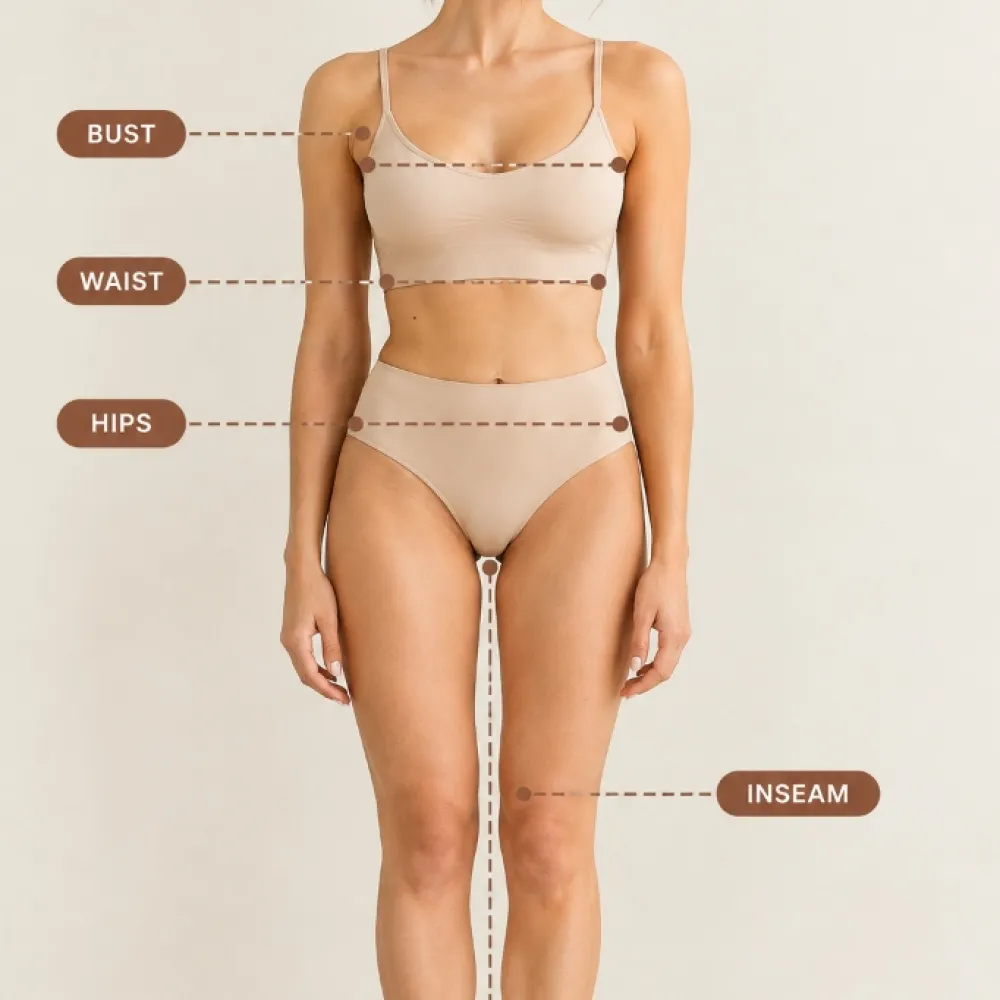
European coat sizes rarely match UK or US labels. Convert by measurement with the clothing size converter before ordering online.
What Separates a Good Trench Coat From an Adequate One
| Detail | What to look for | Why it matters |
|---|---|---|
| Fabric | Tightly woven cotton gabardine | Sheds light rain and holds its shape |
| Lining | Full or half, in a smooth fabric | Slides over knitwear and adds warmth |
| Buttons | Sewn with a shank, reinforced | Take daily strain without loosening |
| Seams | Straight, flat, finished inside | Where cheaper coats fail first |
| Belt | Its own loops and a proper buckle | Holds its shape when tied |
| Storm flap | Present and properly attached | Functional as well as traditional |
Single or Double-Breasted
Double-breasted is the classic form, with two rows of buttons and a wider overlap at the front. It reads slightly more formal and looks best belted or fully buttoned.
Single-breasted is cleaner and easier to wear open, which is how most people wear a trench most of the time. Neither is more correct; choose by whether you usually wear coats open or closed.
- Double-breasted: the classic shape, warmer overlap, strongest look belted
- Single-breasted: cleaner lines, easier to wear open, simpler over tailoring
How to Wear a Trench Coat
Open, Belt Tied Behind
The easiest everyday version. Knot the belt at the back so it does not swing, and wear the coat open over whatever is underneath.
Closed and Belted
Defines the waist. Tie the belt in a loose knot rather than buckling it, which reads less stiff and more relaxed.
Over What
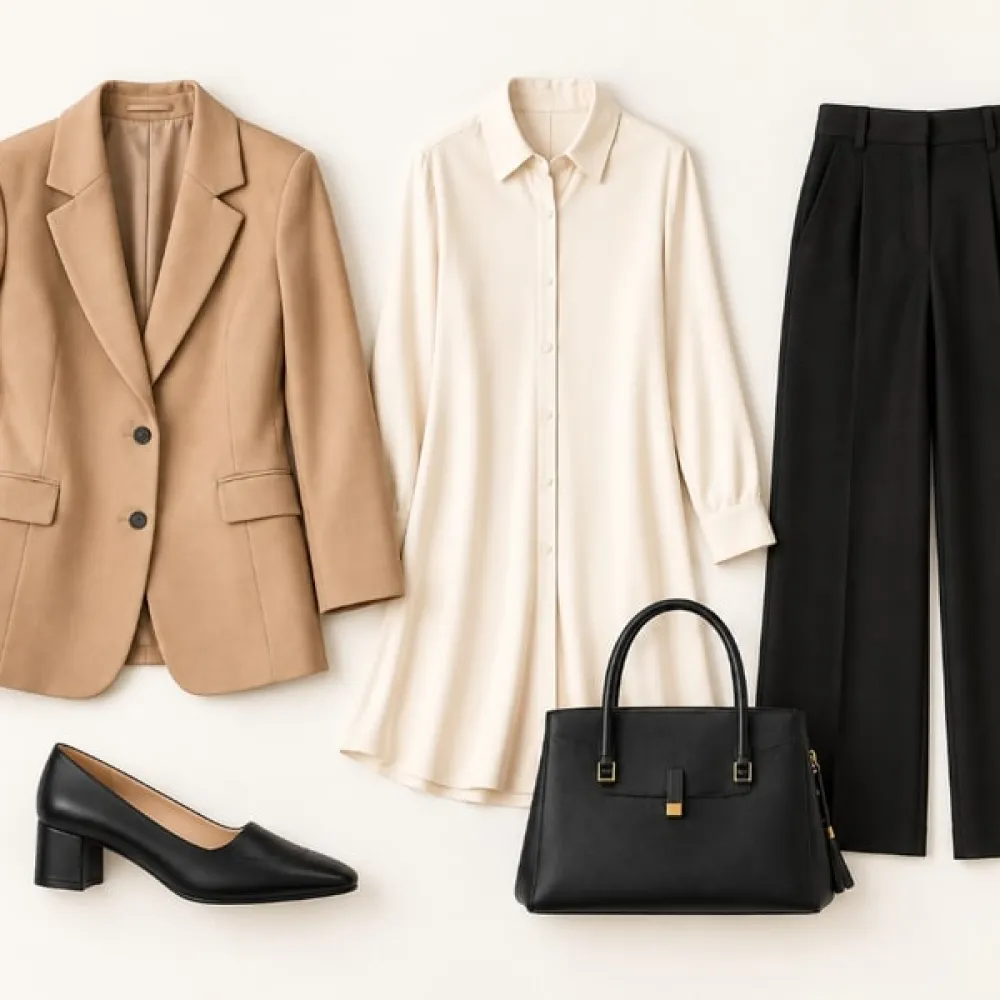
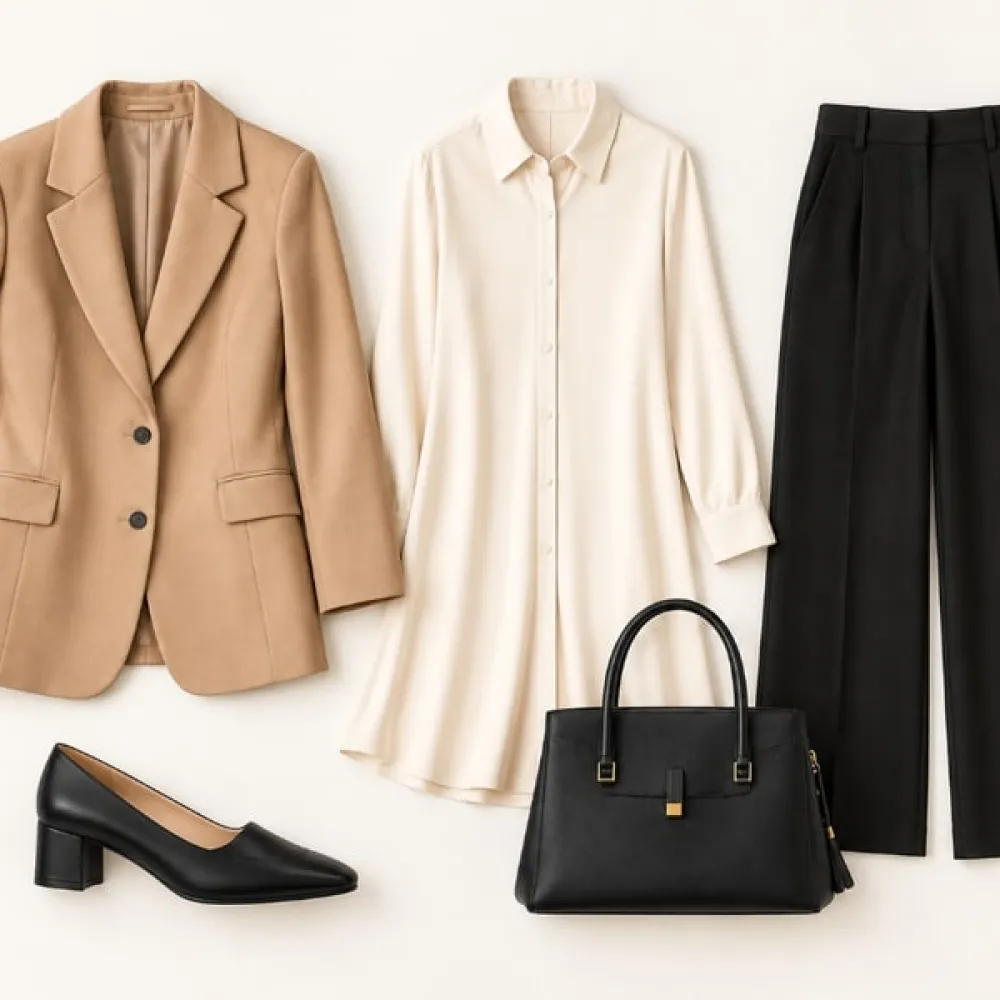
Tailoring for work, denim and a knit for weekends, a dress in spring. The coat does not change; what is underneath does. See the pieces it is usually worn with.
Trench Coat Care
Everyday
Brush it after wear, hang it on a wide shoulder hanger, and let it dry naturally away from direct heat.
Cleaning
Follow the care label; most gabardine trenches are dry clean only. Spot-clean marks as they happen rather than cleaning the whole coat often, which wears the fabric and its finish.
Waterproofing
The water resistance fades with cleaning. A reproofing treatment restores it, but check it is suitable for your fabric before using one.
Storage
A breathable cover, never plastic, with room around it so the collar and shoulders keep their shape.
Is a Trench Coat Worth the Money?
Usually, if it fits. A coat worn several times a week across spring and autumn, for ten years, is worn hundreds of times. Even an expensive one works out at very little per wear — and a cheaper one that goes shapeless in two seasons often costs more per wear in the end.
Put in the price and a realistic number of wears. A coat worn most days of spring and autumn tends to come out cheaper than it looks.
For the other pieces worth investing in, read which pieces are worth spending on, and for the colder half of the year, winter accessories worth investing in.
Choosing the Colour
Stone and camel are the classic trench colours because they sit with almost everything, but they are not right for everyone. Navy and olive work better on some colourings, and black is the most formal of all. If you are unsure, the personal colour palette generator shows which neutrals suit your season, and the best whites and neutrals for each undertone explains why.
A trench is one of the anchor pieces of a capsule wardrobe, and one of the clearest examples of how European women dress. For the season-by-season picture, see what to wear in Europe month by month and the Copenhagen alternative to it.
Frequently Asked Questions
How should a trench coat fit?
The shoulder seam at the edge of your shoulder, room for a knit underneath, and sleeves ending at the base of the thumb. Get the shoulder right in the shop; the rest can be altered.
What length trench coat is best?
Knee length is the most versatile, working with trousers, skirts and dresses. Longer reads more dramatic, shorter more casual.
How do you tie a trench coat belt?
A loose knot at the front looks less stiff than buckling it. Worn open, tie the belt behind you so it does not swing.
Can you wash a trench coat?
Most gabardine trench coats are dry clean only. Check the care label, and spot-clean between cleans rather than cleaning the whole coat often.
Is a trench coat worth buying?
Usually, if it fits. Worn most days across two seasons for a decade, its cost per wear is low even at a higher price.
For background, read the history of the trench coat and of gabardine, the fabric most trench coats are made from.